From idea to market-ready product, our NPI solutions make every stage easier, faster. Discover How We Help

Views: 222 Author: Tomorrow Publish Time: 2025-12-23 Origin: Site


Content Menu
● What Are 3D Printing Services?
● How The 3D Printing Process Works
● Main Types of 3D Printing Technologies
● Common Materials Used in 3D Printing Services
● Major Advantages of 3D Printing Services
● Applications of 3D Printing Across Industries
>> Engineering and Manufacturing
>> Healthcare and Medical Applications
>> Architecture and Construction
● Selecting the Right 3D Printing Service Provider
● The Future of 3D Printing Services
● Environmental Impact of 3D Printing
● FAQ
>> 1. What are 3D printing services used for?
>> 2. How do I choose the best 3D printing service provider?
>> 3. Is 3D printing suitable for large-scale production?
>> 4. What industries benefit most from 3D printing?
>> 5. Are 3D printed objects environmentally friendly?
The increasing demand for customized manufacturing, rapid prototyping, and cost-effective production has fueled the growth of 3D printing services across the globe. Once a niche technology reserved for industrial innovators, 3D printing is now accessible to startups, educators, hobbyists, and even large enterprises seeking flexible production models. These services eliminate the need for heavy machinery or in-house expertise, enabling anyone to transform ideas into reality with efficiency and precision.
In today's digital era, 3D printing services are a cornerstone of innovation. They bridge the gap between virtual design and physical creation, allowing designers to experiment, iterate, and produce with minimal limitations. Whether a company wants to prototype a new product, a medical researcher seeks customized medical devices, or an artist wishes to sculpt intricate models, 3D printing provides the tools to make it happen.
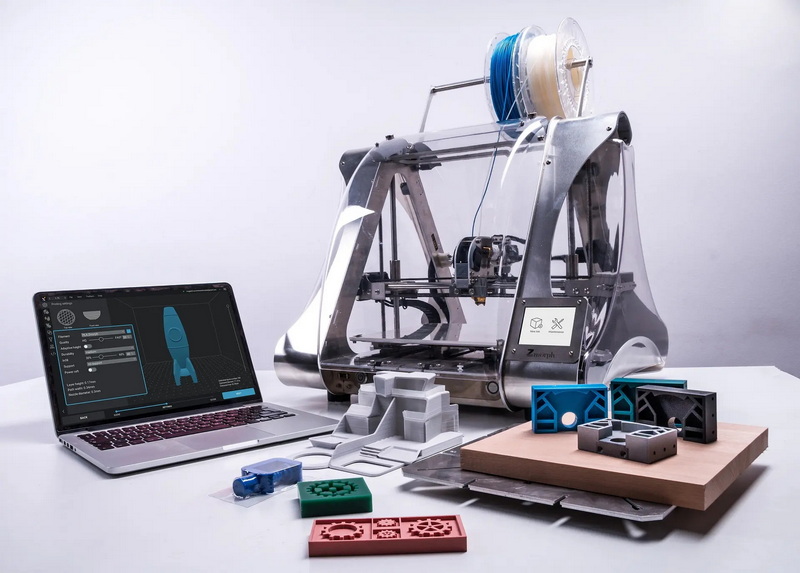
3D printing services are specialized offerings that transform digital designs into tangible objects using additive manufacturing technologies. Rather than purchasing an expensive printer, clients can upload a 3D model to an online platform or work with specialists who help ensure accurate production. The service handles every step—from file optimization to material selection, printing, and post-processing.
The value of 3D printing services lies in their scalability and convenience. They cater to small-batch production, one-off prototypes, or large commercial projects without the setup complexity of traditional manufacturing. Many companies now rely heavily on these services for product validation, cost savings, and faster innovation cycles.
The flexibility of 3D printing allows for geometries that would be impossible or prohibitively costly through conventional machining methods. Intricate lattice structures, hollow parts, and organic shapes can all be printed with remarkable ease.
The additive manufacturing process involves several essential steps that ensure quality and consistency throughout production:
1. Designing the Model: Engineers or designers use CAD (Computer-Aided Design) tools such as SolidWorks, Fusion 360, or Blender to create a detailed digital model of the object.
2. Converting the File: The model is exported into a format compatible with slicing software—typically STL, OBJ, or 3MF—and prepared for printing.
3. Slicing the Model: Specialized software breaks down the model into ultra-thin layers and generates tool paths for the print head or laser.
4. Choosing the Material: Based on the application, clients can select from plastics, metals, composites, or resins, each offering unique properties.
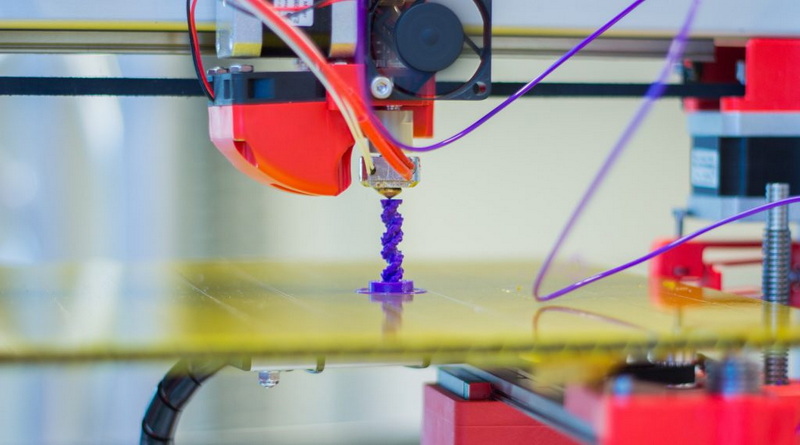
5. Printing Process: The printer constructs the object layer by layer through extrusion, sintering, or light curing, depending on the selected technology.
6. Post-Processing: After printing, parts are cleaned, sanded, or heat-treated. Some may require assembly or surface treatment to achieve a polished final product.
This structured workflow ensures the final output meets precise dimensional and aesthetic requirements. Many 3D printing services also include quality checks to verify mechanical properties and alignment.
3D printing technologies differ in method, material compatibility, and output quality. The following are the most common types available through professional services:
- Fused Deposition Modeling (FDM): Uses thermoplastic filaments melted through a nozzle to create each layer. It is cost-effective, making it perfect for functional prototypes and low-budget models.
- Stereolithography (SLA): Utilizes ultraviolet lasers that cure liquid resin into solid layers with outstanding surface finish and detail accuracy. SLA is often used in jewelry, dental models, and art.
- Selective Laser Sintering (SLS): Fuses powdered materials like nylon using high-powered lasers. This approach produces strong, durable objects that require no support structures.
- Direct Metal Laser Sintering (DMLS): Similar to SLS but designed for metal powders such as titanium, aluminum, or stainless steel, enabling the creation of fully functional metal components.
- PolyJet and Multi Jet Fusion (MJF): These technologies print objects with high precision and can produce parts with multiple materials or colors simultaneously.
Choosing the right printing technology depends on the project's intended use, desired finish, strength requirements, and budget.
Material choice is a crucial factor in determining the final product's appearance, strength, and performance. Leading 3D printing services typically offer a range of material options:
- PLA (Polylactic Acid): A biodegradable, plant-based plastic ideal for educational or decorative models.
- ABS (Acrylonitrile Butadiene Styrene): Known for toughness and heat resistance, commonly used in automotive and mechanical prototypes.
- PETG (Polyethylene Terephthalate Glycol): Combines flexibility with durability, suitable for outdoor or consumer applications.
- Nylon (PA 12): Offers excellent wear resistance and flexibility, favored for mechanical assemblies.
- Resin: Produces smooth surfaces and fine details, widely used in design prototypes and medical modeling.
- Metal Powders (Aluminum, Titanium, Steel): Utilized for components that demand high structural integrity and thermal resistance.
- Composite Filaments: Infused with fibers such as carbon or glass for added strength.
The ability to work with these diverse materials allows 3D printing services to accommodate nearly any industry requirement.
The appeal of 3D printing stems from its wide array of benefits that traditional manufacturing cannot offer:
- Design Freedom: Create complex geometries impossible through milling or injection molding.
- Cost Reduction: Lower material waste and tooling costs make production cheaper.
- Customization: Easy adaptation for personalized or small-batch products.
- Speed: Rapid prototyping shortens development cycles.
- Sustainability: Minimal waste and recyclable materials enhance environmental responsibility.
- Reduced Inventory Dependence: Digital inventory enables on-demand manufacturing, minimizing storage costs.
For startups and large companies alike, these benefits translate to faster innovation, reduced risks, and stronger market responsiveness.
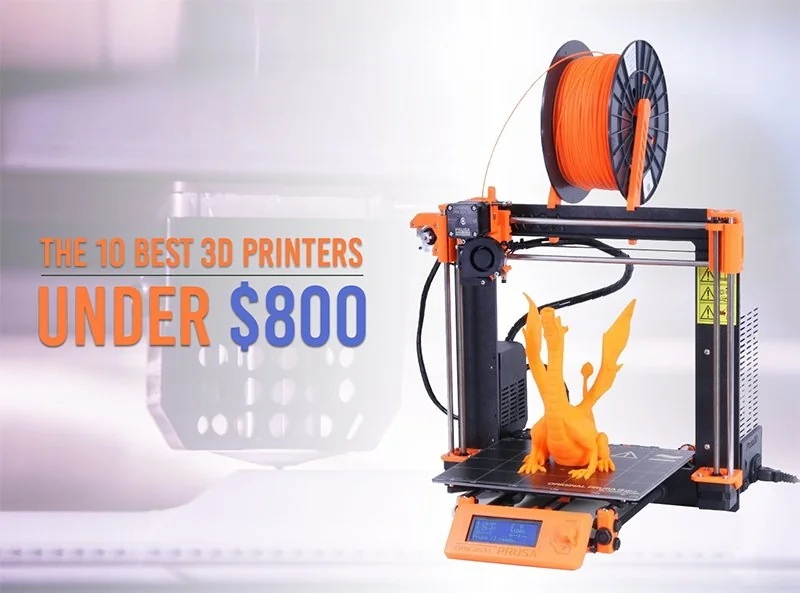
Manufacturing firms use 3D printing to produce tooling, jigs, and low-volume parts. Engineers can quickly test new designs and refine functionality before large-scale production.
One of the most transformative uses of 3D printing lies in healthcare. Surgeons employ patient-specific anatomical models for surgery planning, while prosthetic designers craft comfortable, affordable limb replacements. Dental labs use resin-based printers for crowns, aligners, and surgical guides.
Architectural firms use 3D printing to generate scale models with intricate details. In large-scale applications, robotic 3D printers can construct concrete walls and buildings layer by layer, significantly reducing waste and labor.
These industries benefit from lightweight printed parts that reduce fuel consumption while maintaining strength. Components such as engine mounts, brackets, and intricate cooling systems are frequently produced through additive manufacturing.
Designers and artists are leveraging 3D printing to produce custom jewelry, wearable art, and sculptural pieces. It allows limitless creativity without traditional material constraints.
Choosing a 3D printing provider involves more than finding a low-cost option. Key factors to consider include:
1. Technology Expertise: Ensure the provider offers the specific technology suited for your project.
2. Material Selection: A broad catalog of materials indicates flexibility and technical capacity.
3. Quality Standards: Look for suppliers with quality control systems and dimensional tolerance guarantees.
4. Turnaround Time: Timeliness is crucial for rapid prototyping and tight project schedules.
5. Customer Support: Providers with responsive communication can resolve issues quickly.
6. Post-Processing Services: Additional finishing, assembly, or surface treatments add value.
7. Reputation and Reviews: Case studies, portfolios, and client reviews often indicate consistent quality.
The right partner not only prints your design but also helps refine it for manufacturability and performance.
The pace of innovation in additive manufacturing suggests a bright future. Key emerging trends include:
- Hybrid Manufacturing: Integration of 3D printing with CNC machining for higher-quality results.
- Bio-printing: Printing of human tissues and organs under medical supervision shows enormous promise.
- Nanotechnology Integration: Micro-scale 3D printing could redefine electronics and material science.
- Distributed Manufacturing Networks: Local 3D printing hubs reduce transportation costs and environmental impacts.
- AI and Automation: Artificial intelligence enhances printing efficiency and predictive maintenance for machines.
These developments highlight a shift toward smart and sustainable production ecosystems where 3D printing plays a central role.
Despite its promise, 3D printing is not without challenges. Some limitations include:
- Material Costs: High-performance materials can still be expensive compared to bulk raw materials.
- Production Speed: For very large volumes, traditional manufacturing remains faster.
- Surface Finish: Some prints require post-processing to achieve a professional polish.
- Intellectual Property Risks: With file sharing, protecting design rights can be complicated.
- Technical Skill Requirements: Understanding design constraints and machine settings remains essential for success.
As technology continues to evolve, many of these limitations are gradually being addressed through better printers and smarter design tools.
Sustainability is at the forefront of technological innovation. 3D printing, by nature, is more environmentally conscious than subtractive manufacturing because it uses only the exact material needed. Emerging bio-based filaments and recycled resins further reduce carbon footprints. Some companies even reclaim failed prints for remanufacturing. Additionally, localized 3D printing reduces shipping emissions and supports a shift toward greener supply chains.
3D printing services have fundamentally transformed how people design, prototype, and manufacture products. They provide flexibility, personalization, and speed far beyond what traditional manufacturing offers. From engineering and healthcare to design and education, additive manufacturing empowers creative minds to innovate more freely. As technologies continue advancing, we can expect even higher precision, lower costs, and wider access—solidifying 3D printing's role as a driving force of modern production.
They are used across industries for creating prototypes, product models, functional parts, and customized designs in materials ranging from plastics to metals.
Compare providers based on technology options, material capabilities, experience, pricing, and delivery time. Reading client reviews and case studies can also help.
While traditionally ideal for small batches and prototypes, advances in technology now make it viable for certain large-scale manufacturing applications.
Sectors such as medical, aerospace, automotive, education, and consumer goods benefit the most due to high customization needs and design flexibility.
Yes, additive manufacturing minimizes waste, and many materials are recyclable or biodegradable. However, sustainability depends on the chosen materials and production methods.


