From idea to market-ready product, our NPI solutions make every stage easier, faster. Discover How We Help

Views: 222 Author: Tomorrow Publish Time: 2025-12-21 Origin: Site


Content Menu
● Why CNC Machining Seems Hard to Learn
>> 1. The Complexity of Programming and Software
>> 2. Technical Depth and Knowledge Requirements
>> 3. Precision, Tolerances, and Setup
>> 4. Time and Practice Commitment
● How to Make Learning CNC Machining Easier
>> Step 1: Learn the Basics of Machining
>> Step 2: Study CAD and CAM Software
>> Step 3: Understand G-Code Commands
>> Step 4: Get Hands-On Practice
>> Step 5: Measure and Inspect
>> Step 6: Seek Mentorship and Training
● The Learning Curve and Career Progression
● Common Challenges and Solutions
● Reasons to Pursue CNC Machining
>> 1. Strong Career Opportunities
>> 3. Creativity and Innovation
>> 4. Pathway to Entrepreneurship
>> 5. Integration with Future Technologies
● Tips for Efficient and Effective Learning
● FAQ
>> 1. What background do I need to start learning CNC machining?
>> 2. How long does it take to learn CNC programming?
>> 3. Do I need to know G-code to operate CNC machines?
>> 4. What are the best CNC learning tools and software for beginners?
>> 5. Can CNC machining lead to long-term career growth?
Computer Numerical Control (CNC) machining has transformed modern manufacturing, introducing a level of precision, efficiency, and automation that manual methods could never achieve. Whether it's fabricating aircraft components, intricate automotive parts, or custom-designed prototypes, CNC machining is a cornerstone of industrial innovation.
For newcomers, however, the technology can seem intimidating. Many people ask the same question before diving in — Is it hard to learn CNC machining? The short answer: it depends. The difficulty hinges on your background, learning approach, and how deep into programming or machine operation you want to go.
This guide explores what CNC machining really is, why it can be challenging to master, and how you can effectively learn it through structured methods and practice.
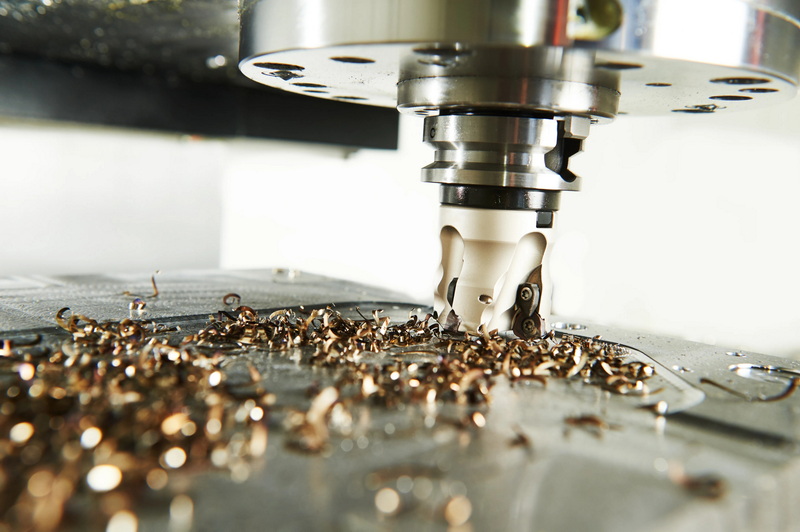
CNC machining is the automated control of machine tools by computer systems. Instead of manually adjusting knobs and levers, the operator uses digital commands to shape materials into precise parts. It replaces physical manipulation with digital precision.
At its core, CNC machining works through G-code, a standardized language of instructions that tell the machine how to move cutting tools, the angles, feed rates, and depths for each operation. These instructions allow the machine to cut, drill, or mill materials automatically.
- CNC Mills: Use rotating cutting tools to remove material, creating detailed shapes or contours.
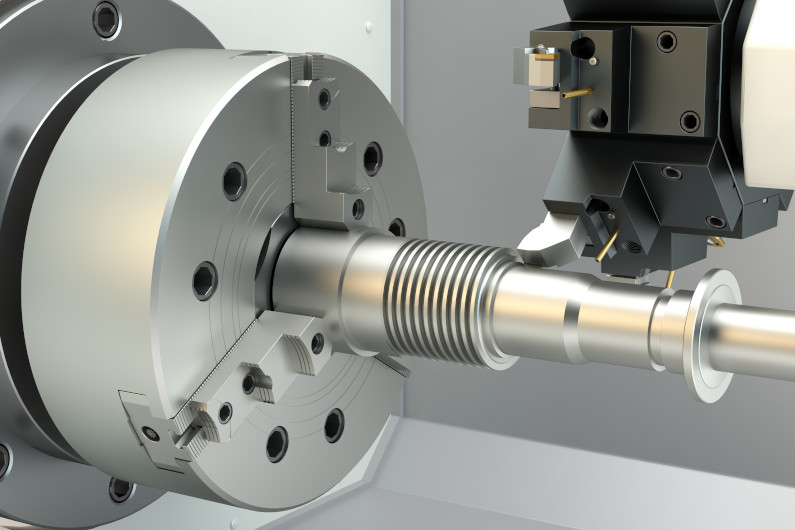
- CNC Lathes: Rotate a workpiece against cutting tools to form symmetrical parts such as shafts or bolts.
- CNC Routers: Common in woodworking and plastics, routers shape materials with high-speed precision.
- CNC Plasma and Laser Cutters: Ideal for cutting metals, plastics, and composite sheets with no tool contact.
- CNC Grinders: Used for high-tolerance finishing work, polishing, or achieving exact dimensions.
Each machine type serves distinct industries, yet all follow the same automation principle — replacing repetitive human actions with computer accuracy.
Entering the CNC field often feels overwhelming at first. You're asked to balance theoretical knowledge and hands-on operation, which requires understanding machinery, materials, and software simultaneously. Let's explore the main challenges most beginners face.
CNC programming is rooted in mathematical precision. Learning CAD (Computer-Aided Design) for part modeling and CAM (Computer-Aided Manufacturing) for toolpath generation can feel like learning two different languages. Most CAM tools create G-code automatically, but operators still need to interpret, optimize, and troubleshoot the code.
Understanding commands like `G00` (rapid movement), `G02` (clockwise arc), and `M06` (tool change) takes patience. Beginners often make small mistakes — perhaps missing a decimal point — leading to inaccurate cuts or machine crashes.
CNC machining isn't just about machines or software; it's a deep combination of mechanics, physics, and materials science. Each material behaves differently under cutting pressure. Aluminum machines easily but scratches quickly; stainless steel requires slower speeds and more coolant. A machinist must learn how material behavior affects precision, surface finish, and tool wear.
CNC machining is unforgiving when it comes to precision. In high-end industries, a tolerance of ±0.002 inches can determine success or failure. Properly setting work offsets, calibrating tools, and aligning fixtures are vital skills that develop only through practice.
Becoming comfortable with CNC machining doesn't happen overnight. Developing feel for cutting conditions, optimizing feeds and speeds, and reading part drawings accurately all take time. Like learning a musical instrument, repetition builds muscle memory and understanding.
Because CNC machines involve sharp tools and high rotational speeds, safety training is non-negotiable. Beginners sometimes underestimate the destructive power of a misprogrammed spindle. Knowing proper emergency stops, protective equipment, and lockout procedures is essential.
While the learning curve is real, CNC machining becomes much easier when approached methodically. Here's a structured roadmap that helps transform beginners into confident operators.
Before exploring CNC, understand manual machining principles. Learn how lathes, mills, and drills remove material manually. This helps you appreciate how digital instructions replicate traditional processes more precisely.
Familiarize yourself with fundamental terms such as spindle speed, feed rate, depth of cut, and tool geometry. Knowing why tools behave a certain way gives meaning to CNC programming.
Mastering one all-in-one software suite (like Fusion 360, SolidWorks, or Mastercam) is the best starting point.
In CAD, you create 2D or 3D part models. In CAM, you define machining strategies—everything from selecting tools to setting cutting parameters—and then generate G-code. Many modern CAM packages even allow 3D simulation of toolpaths to visualize the machining before cutting real material.
Although software automates most of it, manual G-code knowledge remains vital. By understanding individual lines, you can tweak feed rates, optimize movements, or fix post-processing errors.
Start with basic operations:
- G00: Rapid move
- G01: Linear cut
- G02/G03: Circular interpolation
- M03/M05: Turn spindle on or off
- M30: Program end or reset
Over time, this knowledge makes you independent of software limitations.
No amount of reading equals real-world practice. Use entry-level machines in workshops, maker spaces, or training centers. Practice setting up tools, clamping materials, and referencing the work coordinate system. Starting with soft materials like plastic or wood prevents costly mistakes.
CNC machining revolves around precision. Learn to use micrometers, dial indicators, and coordinate measuring machines (CMMs). Inspection teaches you how close your parts come to design intent—an essential feedback loop for improvement.
Formal training accelerates progress. Certified CNC programs often combine classroom theory with real machining scenarios. Mentorship from experienced machinists exposes you to tricks, shortcuts, and critical troubleshooting techniques that textbooks can't teach.
The path to CNC competency varies, but understanding what to expect helps you stay motivated.
- 0–3 months: Learn terminology, safety basics, G-code syntax, and simple operations.
- 3–12 months: Start producing simple parts, modify code, and understand material behavior.
- 1–2 years: Run multiple setups, troubleshoot software issues, and design CAM strategies independently.
- 3–5+ years: Achieve mastery — optimizing tool paths, reducing cycle times, and integrating automation systems.
CNC machining rewards patience. Each year of experience adds depth, efficiency, and problem-solving insight.
Even dedicated learners hit obstacles. Here are frequent hurdles and strategies to overcome them:
1. Fear of machine crashes: Use simulation software to test every toolpath visually before real machining.
2. Difficulty with tool selection: Consult machinist's reference handbooks and online tool databases for recommendations based on workpiece material.
3. Trouble understanding feeds and speeds: Experiment systematically. Start slow, observe chip formation, and increase gradually.
4. Inconsistent surface quality: Check tool sharpness, coolant flow, and toolpath overlap.
5. Data overload from software: Stick to one platform until comfortable. Jumping between tools too early slows learning.
Despite the learning curve, CNC machining offers exceptional benefits that make the effort worthwhile.
CNC machinists and programmers are highly sought after worldwide. From aerospace to medical devices to renewable energy, industries depend on precision part production. Skilled operators often advance into roles like process engineer, production manager, or CNC instructor.
Due to the specialized nature of the work, CNC machinists often receive competitive wages. Advanced programmers and multi-axis machine operators can command six-figure incomes in industries with tight tolerances.
CNC machining combines technical precision with creative design. Machinists bring computer models to life, turning conceptual ideas into tangible products. Many find it rewarding to see finished components used in real-world applications.
Once you master CNC capabilities, you can start small machining businesses, offer prototyping services, or even create custom parts for niche markets like automotive restoration or robotics.
CNC machining forms the backbone of Industry 4.0, where digital connectivity, AI monitoring, and cloud-based production analytics reshape smart manufacturing. Learning CNC now prepares you for advanced tech roles in automation and robotics.
- Start simple: Learn basic geometries and 2D toolpaths before moving to 3D or 5-axis machining.
- Document progress: Keep detailed notes on feeds, speeds, and results for continuous improvement.
- Stay curious: Subscribe to machining forums, online courses, and trade publications.
- Embrace failure as feedback: Every mistake reveals new insights about material behavior or machine logic.
- Network with professionals: Join local maker communities or LinkedIn groups; shared experiences accelerate learning.
So, is it hard to learn CNC machining? Initially, yes — there's a steep curve in understanding programming, precision, and equipment safety. But with structured learning, consistent practice, and curiosity, the process becomes not only manageable but deeply fulfilling.
CNC machining unites creativity with engineering logic: you start with an idea, design it digitally, and transform raw material into a finished, exact component. Once you master this process, you hold a skill that powers every modern manufacturing sector. It's challenging, yet a challenge worth embracing — one that pays off in skill, confidence, and career success.
No formal degree is required, but a foundation in math, geometry, or computer use helps. Technical schools or online programs can guide you from beginner to professional.
Expect at least 3–6 months to handle basic parts and several years for advanced multi-axis proficiency. Consistent practice and diverse projects shorten the timeline significantly.
Yes, at least at a fundamental level. Even if software generates your code, understanding what it means allows you to debug issues or fine-tune results without external help.
Fusion 360, Mastercam, and SolidWorks CAM are great starting points. Many have built-in tutorials, simulation tools, and active online user communities that simplify learning.
Absolutely. The demand for CNC professionals continues to increase as manufacturing digitalizes. Skilled machinists often advance into programming, quality control, or production management positions.


