From idea to market-ready product, our NPI solutions make every stage easier, faster. Discover How We Help

Views: 222 Author: Tomorrow Publish Time: 2026-02-06 Origin: Site
Content Menu
● Can You CNC Mill Sheet Metal To Make It Thinner?
● Applications of CNC Milling on Sheet Metal
● Best Practices for CNC Milling Thin Sheet Metal
>> 1. Use Proper Fixturing Systems
>> 2. Optimize Cutting Parameters
>> 3. Choose the Right Cutting Tools
>> 4. Apply Cooling and Lubrication
>> 5. Use Step-Down Finishing Passes
● CNC Milling vs. Other Sheet Thinning Techniques
● Advanced Machining Strategies for Sheet Thinning
● Factors Affecting Accuracy When Milling Sheet Metal
● Environmental and Economic Considerations
● When Should You Choose CNC Milling for Sheet Metal Thinning?
● Future Outlook for CNC Milling Thin Sheets
● FAQ
>> (1) Can CNC milling thin sheets cause warping?
>> (2) What is the thinnest sheet that can be CNC milled?
>> (3) Is CNC milling cost-effective for sheet reduction?
>> (4) Which materials are best suited for CNC milling sheet metal?
>> (5) What type of tooling should be used for sheet metal milling?
CNC milling is one of the most important machining processes in modern manufacturing, offering the capability to remove material with extraordinary precision. Engineers, designers, and manufacturers rely on it to deliver tight tolerances, smooth finishes, and repeatable results across a wide range of metal types. One interesting topic that often arises is whether CNC milling sheet metal to make it thinner is actually feasible. This question touches on physics, material science, and machining strategy — and while the answer is yes, it comes with clear technical boundaries.
In this article, we'll explore how CNC milling can be used to thin sheet metal, what challenges it introduces, how to optimize the process, and when it's worth considering in industrial settings.
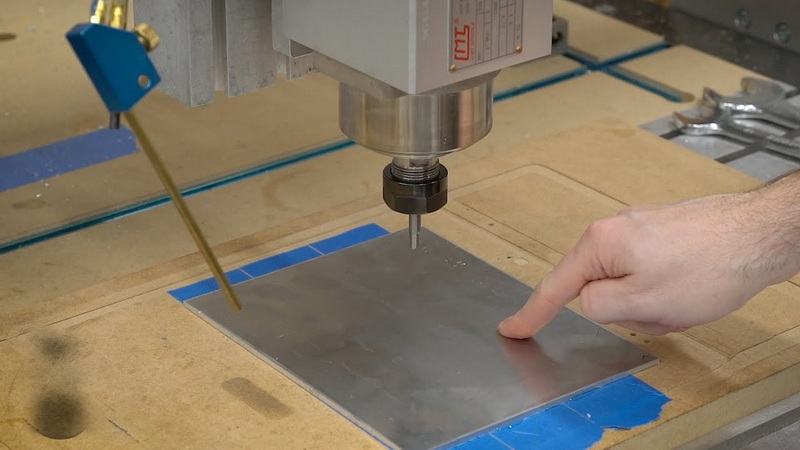
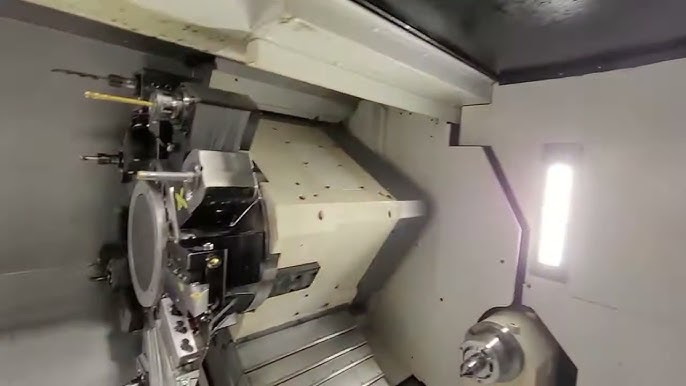
CNC milling uses computer numerical control (CNC) to guide rotating cutting tools along programmed paths that remove material from a workpiece. Compared with traditional manual milling, CNC milling offers higher precision, consistent repeatability, and automation for complex geometries.
In a typical CNC milling operation, end mills or face mills rotate rapidly to shave off thin layers of metal. The result is a precisely machined component that matches the digital 3D model or CAD design. Because it's subtractive manufacturing, the process is particularly effective for producing parts that demand high dimensional accuracy, such as aerospace brackets, electronic housings, dies, and molds.
When applied to sheet metal, however, CNC milling must take into account the unique physical behavior of thin materials. A sheet that's just one millimeter thick, for example, is far more likely to vibrate, flex, or distort than a solid billet. That's where engineering experience becomes essential.
Yes — but with important considerations. CNC milling sheet metal to make it thinner is possible but rarely used for large-scale thickness reduction. It's typically chosen for localized machining, surface adjustment, or customized micro-thinning in precision assemblies.
The primary challenges in this process include:
- Flexing and vibration: As the cutter engages the thin sheet, the material tends to flex or oscillate, leading to irregular thickness and poor surface quality.
- Fixturing problems: Clamping thin sheets too tightly may bend or mark the metal, while loose clamping may cause movement during cutting.
- Thermal distortion: The frictional heat from high-speed milling can warp delicate sheets, changing their flatness or dimensions.
- High tool wear: Continuous contact on thin, flat areas can cause increased tool wear due to inconsistent chip load.
- Surface roughness: Maintaining consistent finish across thin regions requires very controlled toolpaths.
So while it's technically achievable, careful process control and machine setup are essential for success.
CNC milling sheet metal is commonly used when small adjustments or high-precision features are needed in pre-formed sheets. Some key industrial examples include:
- Aerospace components: Localized thinning of metal panels or brackets to reduce weight while maintaining strength.
- Electronics housings: Shaving internal surfaces for tight tolerance fits or thermal interfaces.
- Medical devices: Creating shallow cavities in small stainless steel components.
- Automotive engineering: Modifying sheet structures for prototype testing and assembly integration.
- Custom enclosures and decorative parts: CNC machining ensures aesthetic finish and dimensional consistency unavailable through stamping alone.
For these scenarios, CNC milling sheet metal provides customization flexibility that mass-production processes like rolling or pressing cannot.
Achieving stable and accurate results when CNC milling sheet metal to make it thinner requires precision planning. Below are some of the most effective strategies:
Using the right fixturing is the foundation of successful thin-sheet milling. Traditional vises or clamps often deform thin sheets. Instead, manufacturers use:
- Vacuum tables that hold sheets flat through suction.
- Magnetic chucks (for ferrous materials) that distribute holding force evenly.
- Adhesive fixtures like double-sided tape or temporary bonding agents for non-magnetic metals.
- Sacrificial backing plates to support the entire underside and absorb cutting pressure.
These techniques minimize flexing and vibration while ensuring stability.
Milling thin sheets requires lower feed rates, smaller depths of cut, and moderate spindle speeds. Shallow passes reduce tool pressure and prevent the sheet from lifting during machining. A general guideline is to use light cuts under 0.1 mm per pass for ultra-thin parts.
Tool geometry plays a major role in outcome quality:
- Use sharp carbide end mills with high rake angles to lower cutting force.
- Select single-flute or two-flute mills for materials like aluminum or brass.
- For stainless steel and titanium, prefer coated tools (TiAlN or AlCrN) for thermal resistance.
- Use small-diameter cutters for detailed thinning and micro pockets.
Heat is your enemy when thinning metal sheets. Continuous coolant flow, mist sprays, or air blasts dissipate heat from the cutting zone, reduce friction, and stabilize the sheet's thermal profile. Consistent temperature control prevents unwanted warping or expansion.
Instead of milling the entire thickness in one go, conduct multiple small step-down cuts with a final finishing pass. This ensures tighter tolerance and smoother surface quality.
Although CNC milling sheet metal to make it thinner is accurate, it's not always the most efficient technique when compared with alternatives.
| Method | Advantages | Limitations |
|---|---|---|
| CNC Milling | High precision, localized thinning, excellent finish | Slow removal rate, requires fixturing, higher cost |
| Surface Grinding | Uniform finish and parallelism | Limited shape flexibility |
| Chemical Etching | Non-mechanical removal, suitable for complex thin areas | Limited material thickness range |
| Rolling/Cold Reduction | Ideal for large sheets, fast production | Minimal precision control |
| Laser Ablation | High local precision, no physical contact | Expensive and material-dependent |
In short, CNC milling is the right approach when geometry complexity and precision outweigh cost and time considerations.
As CNC technology evolves, specialized software and techniques make it easier to thin sheet materials without compromising quality.
- Adaptive toolpaths dynamically adjust feed rate and direction to minimize cutting stress.
- Real-time feedback sensors monitor deflection or vibration and auto-correct tool movement.
- AI-driven controllers predict chatter patterns and modify spindle speed on the fly.
- High-speed spindles with precision bearings reduce cutting force on delicate materials.
- Hybrid machining systems, combining milling and grinding, deliver smoother finishes on thin sheets.
These innovations expand the potential of CNC milling sheet metal, allowing for safer, more predictable machining operations.
Several variables determine how precise the final thickness can be:
- Tool deflection: Slight tool bending leads to uneven cut depth.
- Machine rigidity: Lightweight or improperly maintained machines amplify vibration.
- Fixture flatness: Any imperfection in the vacuum or backing surface transfers to the part.
- Thermal expansion: Thin parts cool and contract differently, changing tolerance.
- Operator skill: Manual adjustments, probing, or compensation techniques are vital.
Understanding and balancing these variables ensures consistent quality when thinning sheet metal with CNC milling.
From a sustainability perspective, CNC milling sheet metal generates more waste than forming or etching, since it's a subtractive method. However, its precision reduces rework, ensuring longer component lifespan. Manufacturers can recycle the removed chips and optimize tool paths to minimize scrap.
Economically, while labor costs are lower due to automation, tool wear and energy consumption increase operational expenses. Thus, CNC milling sheet metal to make it thinner is best suited for specialized industries where precision value offsets cost—such as aerospace, defense, and medical manufacturing.
Deciding between CNC milling and other thinning techniques often depends on the project requirements:
- Small production runs or prototypes: CNC milling allows easy adjustments without expensive new dies.
- High-precision components: When tolerances below ±0.05 mm are essential.
- Complex designs: When thinning coexists with drilling, pocketing, or engraving.
- Customized one-off parts: For repair work or modified assemblies.
If you only need to reduce the overall sheet thickness evenly across the entire surface, rolling or grinding might be more efficient. CNC milling shines when precision detailing and local modifications are needed.
With the emergence of 5-axis CNC milling, manufacturers can now perform multi-directional passes that reduce stress concentration in thin regions. Coupled with advanced automation and AI-based process control, future CNC systems will likely handle thin sheet metal more effectively than ever.
Hybrid additive-subtractive processes are also gaining attention—combining 3D printing and CNC milling to create precisely thin-walled metal structures with unmatched structural integrity. These innovations promise a future where thinning sheet metal becomes faster, cleaner, and more economical.
So, is CNC milling sheet metal to make it thinner possible? Yes, but success depends on mastering every aspect—from fixturing and tooling to thermal control and cutting strategy. The process offers unmatched precision and surface finish, allowing localized thinning that other techniques cannot achieve. However, due to complexity and cost, it's best suited for applications where accuracy and part quality take priority over production speed.
Whether you're optimizing aerospace components, crafting custom electronic enclosures, or refining prototype assemblies, CNC milling sheet metal continues to be one of the most flexible and powerful machining methods in precision engineering.
Contact us to get more information!
Yes. Warping occurs due to heat and vibration during cutting. The best way to prevent it is by using stable fixturing, coolant flow, and small step-down passes.
Generally, materials thicker than 0.5 mm can be milled safely. Anything thinner requires specialized vacuum tables or alternative methods like laser or chemical etching.
Only for small batches or localized thinning. For large-scale uniform reduction, rolling or grinding offers a better cost-per-unit ratio.
Aluminum, brass, and mild steel are easiest to machine. Stainless steel and titanium demand stronger setups and controlled cutting parameters.
Use sharp carbide end mills, high rake angle cutters, and polished flutes. These reduce stress, improve chip evacuation, and minimize heat buildup during milling.
1. https://www.hubs.com/knowledge-base/guide-to-cnc-milling/
2. https://www.xometry.com/resources/machining/cnc-milling/
3. https://machiningtoday.com/cnc-milling-thin-parts-tips/
4. https://protolabs.com/resources/blog/how-cnc-milling-works/
5. https://engineeringclicks.com/milling-sheet-metal-tips/


