From idea to market-ready product, our NPI solutions make every stage easier, faster. Discover How We Help

Views: 222 Author: Tomorrow Publish Time: 2025-11-15 Origin: Site


Content Menu
● What CNC Machining Is and Why It Matters
● The Skill Set: What You'll Be Doing
● Education, Training, and Certification
● Industry Trends and Future Outlook
● Is CNC Machining a Good Career?
>> Reasons it can be a good career:
● Industry Variations and Specializations
● Environmental and Ethical Considerations
● FAQ
>> 1. What education is required to start a CNC machining career?
>> 2. Do I need programming skills for CNC machining?
>> 3. What is the typical career path in CNC machining?
>> 4. How does certification affect job prospects?
>> 5. What industries hire CNC machinists most often?
CNC machining has evolved from a skilled trades niche into a mainstay of modern manufacturing. It sits at the intersection of engineering, technology, and practical problem solving. For individuals who enjoy precision work, continuous learning, and tangible outcomes, CNC machining offers a compelling career path with clear progression, strong demand, and a variety of work environments. This article examines whether CNC machining is a good career, covering what the field involves, the skills and education required, job prospects, daily realities, advancement opportunities, and practical considerations for pursuing this line of work.

CNC stands for computer numerical control. In CNC machining, computer programs guide machine tools—such as lathes, milling machines, and routers—to shape raw material into precise parts. The process replaces manual, watchful, and often repetitive operations with automated, repeatable, and highly accurate production. The result is components used in everything from automotive parts and medical devices to aerospace, electronics, and consumer goods. The critical value of CNC machining lies in its ability to produce consistent parts at scale, with tight tolerances and complex geometries that would be difficult or impossible to achieve by hand.
Beyond precision, CNC machining drives improvement across the supply chain. It enables rapid iteration of designs, supports customization without sacrificing quality, and reduces dependency on large-volume runs by making scalable, small-batch production economically viable. This flexibility is particularly valuable in industries like aerospace, where even minor tolerances can determine performance and safety, or in medical devices, where customization must meet stringent regulatory standards. In short, CNC machining is a backbone technology that translates engineering ideas into physical reality with repeatable accuracy.
A CNC machinist or operator typically performs a blend of programming, setup, operation, inspection, and troubleshooting. Key responsibilities include:
- Reading engineering drawings and specifications to determine dimensions, tolerances, and finishes.
- Selecting appropriate materials, tools, and cutting parameters.
- Writing or editing CNC programs using G-code or CAM software.
- Setting up machines, mounting fixtures, and loading stock to minimize tool wear and optimize cycle times.
- Monitoring operations to ensure dimensional accuracy and surface quality.
- Performing in-process and final inspections with gauges, micrometers, calipers, and coordinate measuring machines (CMMs).
- Maintaining machines and tools, cleaning work areas, and ensuring safety compliance.
- Identifying process improvements to reduce waste, shorten cycle times, or improve part consistency.
In practice, the role often requires combining theoretical knowledge with practical intuition. Handling multiple tasks—such as tweaking toolpaths while observing live machine feedback, adjusting fixtures to compensate for material variation, and communicating with engineers about design feasibility—is common. Some plants emphasize a lean, data-driven approach, where operators collect performance metrics and feed them into continuous improvement cycles.
The path to a CNC career typically includes a combination of formal training and hands-on experience. Common routes include:
- Apprenticeships: On-the-job training programs that pair shop-floor experience with classroom instruction. Apprenticeships are highly valued for practical skill-building and often lead to stable positions.
- Vocational or technical school programs: Certificate or associate degree programs focused on CNC operations, machining theory, CAD/CAM software, metalworking fundamentals, and metrology.
- Community college programs: Practical courses in machining technology, GD&T (geometric dimensioning and tolerancing), and CNC programming.
- In-house training: Some employers hire promising candidates and provide company-specific training, software licenses, and tooling curricula.
Industry certifications can enhance job prospects and earning potential. Notable certifications include:
- NIMS (National Institute for Metalworking Skills) credentials for CNC operator, programmer, and setup roles.
- IPC (Institute for Printed Circuits) certifications for electronics-focused manufacturing.
- Specific CAM software certifications (e.g., Mastercam, Fusion 360) that demonstrate proficiency in creating toolpaths.
Beyond formal credentials, building a robust portfolio of projects—showcasing successful programs, optimized toolpaths, and metrology records—can be as valuable as a certificate, especially for positions that blend programming and shop floor execution. Hands-on experience with a range of machines, materials, and tooling configurations is often the decisive factor in landing advanced roles.
Experience often matters as much as formal credentials. Beginning in entry-level operator roles and progressing to programmer or setup technician is common. Continuous learning is essential due to evolving tools, software updates, and new materials.
CNC machining remains integral to manufacturing across industries, including automotive, aerospace, medical devices, electronics, energy, and consumer goods. Several drivers sustain demand:
- Global manufacturing need: As demand for high-precision parts grows, so does the need for skilled machinists to program, set up, and monitor complex processes.
- Small to medium batch runs: Many sectors require customization or prototyping, which benefits from flexible CNC capabilities.
- Advances in materials and tooling: New materials (composites, advanced polymers, difficult-to-cut alloys) require skilled operators who can choose appropriate tools and strategies.
- Automation and data: Modern shops increasingly integrate automation, robotics, and data analytics, creating opportunities for machinists who can work with automated systems and interpret process data.
Regional variation matters. Areas with dense manufacturing ecosystems—especially near automotive hubs, aerospace clusters, or electronics corridors—tend to offer more opportunities and higher wages. In other regions, demand may be steadier but with slower growth, making certification and specialization even more critical for career mobility.
A CNC career can be rewarding but also demanding. Consider these practical aspects:
- Precision and consistency: Parts must meet tight tolerances. Mistakes can be costly, so attention to detail matters.
- Physical demands: Shop floors can be noisy, dusty, and require standing for long periods. Some roles involve heavy lifting or working in constrained spaces.
- Safety culture: PPE, machine guards, and safe operating procedures are essential. Safety incidents are minimized through discipline and training.
- Shift patterns: Many shops operate in multiple shifts, including nights or weekends. Some positions offer overtime opportunities.
- Problem solving: Unexpected tool wear, material inconsistencies, or setup errors require quick, methodical troubleshooting.
- Collaboration: Machinists often work with engineers, QA inspectors, and maintenance staff. Clear communication is crucial for quality and on-time delivery.
Balancing speed and quality is a daily consideration. Operators must calibrate feeds and speeds to maximize throughput without sacrificing dimensional accuracy or surface finish. In high-mix, low-volume environments, the ability to reconfigure quickly between jobs becomes a key productivity lever.
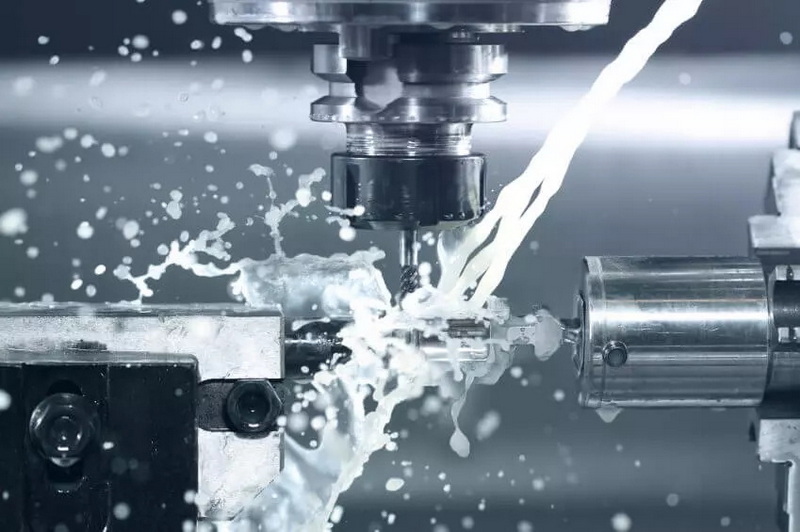
CNC machining offers tangible pathways for career growth, including:
- Operator to Programmer: Transition from running machines to creating and optimizing toolpaths, selecting feeds and speeds, and reducing cycle times.
- Programmer to Lead/Supervisor: Overseeing a team of machinists, scheduling work, and ensuring quality standards on multiple machines.
- Specialist roles: Mastering specific machines (e.g., five-axis mills, wire EDM) or industries (aerospace, medical) to command higher pay and expertise.
- Quality and metrology: Focusing on process control, GD&T, and statistical methods to improve consistency and reduce defects.
- Automation and maintenance: Working with robotics, automatic tool changers, and predictive maintenance to keep advanced systems running smoothly.
- Education and training: Sharing knowledge through formal teaching, corporate training programs, or consulting.
Specialization can have a meaningful impact on earning potential and job satisfaction. For example, expertise in five-axis programming often opens doors to aerospace and defense roles, where tolerances are extreme and process control rigorous. Similarly, proficiency with precision measuring equipment and statistical process control can position a machinist as a quality-focused specialist, a role increasingly valued in regulated industries.
Compensation for CNC roles varies by region, experience, and specialization. Entry-level operators can expect competitive wages with opportunities for overtime. As skills advance toward programming, setup, and specialized capabilities (e.g., 5-axis machining or aerospace-grade tolerances), earnings typically increase. In many manufacturing hubs, certifications from recognized bodies and demonstrated efficiency gains translate into higher pay and promotion potential.
Beyond base pay, total compensation may include overtime premiums, shift differentials, and performance-based bonuses tied to throughput and quality improvements. Long-term financial upside often comes from transitioning into senior programming roles, shop management, or technical sales for tooling and automation equipment. For individuals considering relocation, some markets offer premium compensation in exchange for location flexibility, particularly near major OEMs or supplier clusters.
Several trends shape the CNC machining field:
- Digital manufacturing and Industry 4.0: Smart machines, connectivity, and real-time data collection enable better process control, traceability, and predictive maintenance.
- Automation integration: Robotic loading/unloading, pallet systems, and unattended runs improve productivity but also require machinists to oversee automated workflows.
- Material diversification: Complex materials demand advanced tooling, cooling strategies, and programming knowledge to maintain quality.
- Global supply dynamics: Shifts in supply chains affect demand for localized, on-demand precision parts. Proximity to customers can influence job stability and growth opportunities.
- Skills synthesis: The most valuable CNC professionals blend programming, metrology, and data interpretation. Cross-training in areas like additive manufacturing or mechanical design can amplify career resilience.
- Clear demand: Manufacturing remains essential, and CNC capabilities are core to producing high-precision parts.
- Tangible results: Seeing a part go from a rough blank to a finished component provides a concrete sense of achievement.
- Skill-up opportunities: There are scalable growth paths from operator to programmer to leader, with potential to specialize in high-demand areas.
- Competitive pay potential: With experience, certifications, and specialization, compensation can be strong, especially in regions with dense manufacturing ecosystems.
- Flexibility and variety: Different industries, parts, and processes offer ongoing challenges, reducing monotony.
- Requires ongoing learning: Software, tooling, and materials evolve, so continuous education is essential.
- Physical and safety considerations: Shop environments can be demanding; safety practices must be a priority.
- Market sensitivity: Economic downturns and shifts in manufacturing demand can impact job stability, though essential industries often weather cycles better.
- Upfront investments: Building a solid toolkit of measuring instruments, software licenses, and quality equipment can require significant upfront investment for a small shop or startup.
If this career appeals, a practical plan could include:
- Assess interests: Confirm comfort with hands-on work, measurements, and problem solving.
- Gather foundational training: Enroll in a CNC/ manufacturing technology program or an apprenticeship.
- Build a portfolio: Document projects, part tolerances, and optimization efforts to demonstrate capability to future employers.
- Earn certifications: Obtain NIMS or CAM certifications to bolster credentials.
- Seek hands-on roles: Start as an operator or setup technician in a shop, and seek opportunities to learn programming on-the-job.
- Diversify experience: Expose oneself to different machine platforms (turning, milling, multi-axis) and learning CAM software to become a versatile asset.
Some specializations can influence job satisfaction and salary:
- Aerospace and defense: High precision and stringent standards often command premium pay but may require security clearances and longer training cycles.
- Medical devices: Emphasis on cleanliness, biocompatibility considerations, and traceability.
- Electronics and automotive supply: Exposure to rapid prototyping cycles and high-volume production.
- Tooling and molds: Focus on precision for mold components, often in smaller batch runs.
- Mold-making and micro-machining: Involves extreme precision, often with micron-level tolerances and careful handling of brittle materials.
Modern CNC shops increasingly prioritize sustainability, waste reduction, and responsible sourcing. Lean manufacturing principles, energy-efficient machines, and recycling of scrap produce both cost savings and environmental benefits. Ethical considerations also include ensuring safe labor practices and equitable opportunities for career advancement. Companies that invest in employee development tend to see higher retention and loyalty, reinforcing a positive feedback loop between skills growth and productivity.
CNC machining offers a robust and pragmatic career avenue for those who enjoy precision work, continuous learning, and tangible outcomes. The field connects engineering concepts with real-world production, supports varied career paths, and remains resilient in the face of changing market conditions. Success hinges on a blend of technical competence, hands-on experience, and a proactive approach to learning new tools and standards. For ambitious individuals, CNC machining can be not only a job but a long-term profession with meaningful growth, competitive compensation, and opportunities to contribute to critical technologies and products. As manufacturing ecosystems evolve—driven by automation, digital twins, and advanced materials—the value of skilled CNC professionals is likely to rise, making ongoing education and adaptability essential traits for long-term success.
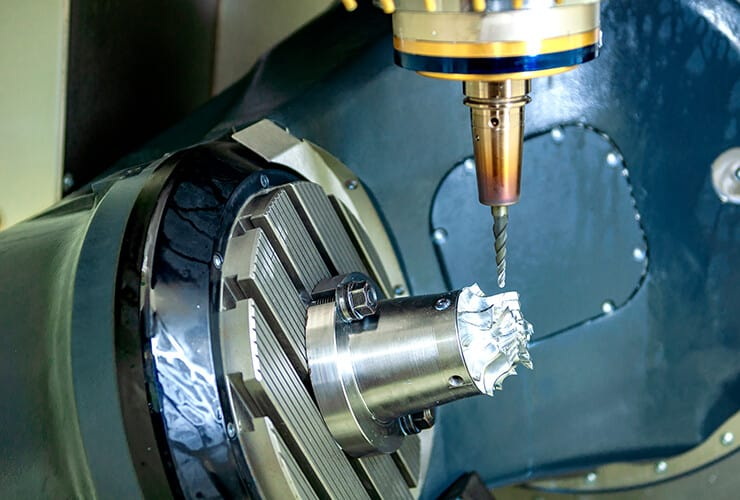
Answer: Most workers begin with a technical or vocational program or an apprenticeship that covers machining fundamentals, CNC programming basics, metrology, and tooling. Some roles may accept on-the-job training, especially for entry-level operator positions.
Answer: Yes, programming is increasingly important. Many roles require basic or advanced CNC programming using G-code and CAM software. Entry-level positions may involve executing pre-written programs while learning to modify toolpaths.
Answer: A common path is operator → setup technician → programmer → supervisor/lead → specialist or automation-focused roles. Advancement often depends on demonstrated proficiency, certifications, and the ability to improve process efficiency.
Answer: Certifications from recognized bodies, such as NIMS, can validate skills and boost employability, especially for competitive or specialized roles. They also support wage growth and advancement opportunities.
Answer: Automotive, aerospace, medical devices, electronics, energy, and consumer goods manufacturing are frequent employers. However, CNC skills are transferable across many sectors that require precision parts.


