From idea to market-ready product, our NPI solutions make every stage easier, faster. Discover How We Help

Views: 222 Author: Tomorrow Publish Time: 2025-12-23 Origin: Site


Content Menu
● Understanding the 3D Printing Market
● Choosing Your 3D Printing Technology
● Setting Up Your Workspace and Tools
● Developing Your Service Offerings
● Pricing Your 3D Printing Services
● Building a Strong Brand Identity
● Marketing and Promoting Your Services
>> Online Marketing Strategies
>> Offline Marketing Strategies
● Managing Orders and Customer Service
● Scaling and Expanding Your Business
● Legal and Administrative Considerations
● Common Challenges and How to Overcome Them
● FAQ
>> 1. What skills do I need to start a 3D printing business?
>> 2. How much should I charge for 3D printing services?
>> 3. Is it possible to run a 3D printing business from home?
>> 4. What are the most profitable 3D printing niches?
>> 5. How can I attract my first clients?
3D printing is reshaping how individuals and businesses manufacture products, prototypes, and custom designs. Once considered an experimental craft, it has now matured into a profitable business opportunity for creators, engineers, and entrepreneurs. Whether you want to serve local startups or global e-commerce shoppers, learning how to start selling 3D printing services effectively is key to establishing a solid reputation and generating consistent income.
This guide covers the essential steps—from planning and equipment selection to pricing, marketing, and scaling your operations—so you can confidently enter the competitive 3D printing service industry.
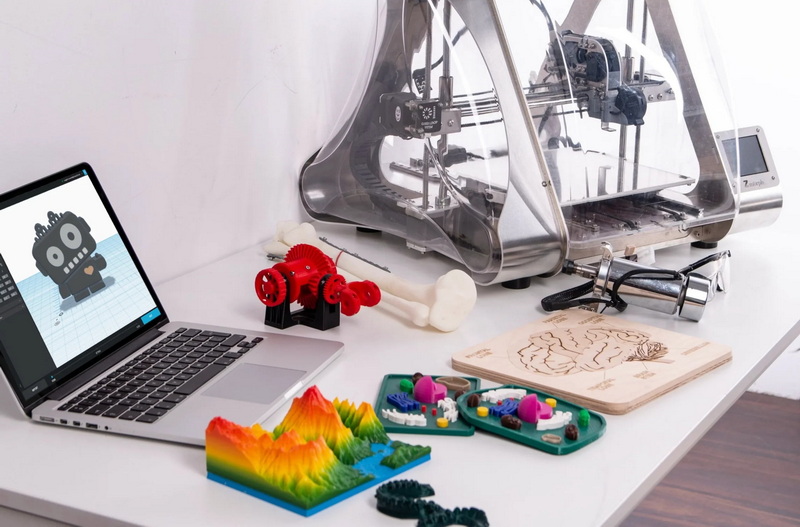
Entering the 3D printing business begins with understanding who your customers are and what problems you can solve for them. The demand for additive manufacturing is expanding across multiple sectors:
- Product Prototyping: Startups, engineers, and inventors often need fast, affordable prototypes before mass production.
- Custom Manufacturing: Consumers increasingly seek personalized jewelry, decorative objects, or household gadgets.
- Educational and Medical Models: Schools, universities, and hospitals use 3D printing for teaching tools, anatomical models, and research aids.
- Industrial Replacement Parts: Specialized components and rare fittings are often reproduced through 3D printing rather than expensive tooling.
Market research helps determine your niche, pricing strategy, and value proposition. Study your competitors, analyze their service quality, and identify what gaps you can fill—be it faster turnaround times, better finishes, or niche materials.
The type of printer and material you use defines the quality, cost, and market potential of your services. Popular technologies include:
- Fused Deposition Modeling (FDM): Ideal for beginners. Uses thermoplastic filaments like PLA or PETG and is great for functional prototypes, hobbyist parts, or educational tools.
- Stereolithography (SLA): Delivers fine details and high surface quality using liquid resin cured by UV light. Perfect for jewelry, dental molds, and figurines.
- Selective Laser Sintering (SLS): Employs powdered material fused by lasers, suitable for high-strength, engineering-grade parts, and complex geometries.
- Digital Light Processing (DLP) and MultiJet Printing: Produces premium results with faster cure times and color variation.
When starting out, focus on one or two technologies. This allows you to master print settings, post-processing, and material performance before expanding into larger or industrial-scale projects. As your client base grows, reinvest profits into advanced machines that handle diverse applications.
Establishing a dedicated 3D printing workspace ensures efficiency and compliance with safety standards.
A good setup should include:
- Stable, vibration-free surfaces for printers.
- Adequate ventilation, especially when working with resins or fumes.
- Proper lighting and electrical grounding.
- Slicing software such as Cura, PrusaSlicer, or Simplify3D.
- Finishing tools: sanders, primers, paints, and polishing kits.
- Shelving for material storage and completed orders.
Organize your workspace to streamline production flow—from design and printing to finishing and packaging. Maintain equipment regularly by cleaning nozzles, lubricating parts, and calibrating print beds to ensure print consistency and quality control.
Define exactly what you're offering to prospective clients. The clearer your packages, the easier it is for customers to understand and purchase your services.
1. 3D Design Assistance: Help customers refine or create digital models suitable for printing.
2. On-Demand Printing: Accept files in STL, OBJ, or 3MF format and deliver physical prints.
3. Finishing Services: Offer sanding, painting, dyeing, or assembly for professional results.
4. Consulting: Provide guidance for design optimization, material choice, and production scaling.
5. Prototyping and Batch Production: Handle end-to-end manufacturing for short-run projects.
A tiered service structure—basic, intermediate, and premium—can simplify your pricing model while appealing to different customer budgets.
Creating a sustainable pricing model involves evaluating both direct and indirect costs. You must cover materials, electricity, depreciation, labor, and packaging—while maintaining competitive rates.
Common pricing methods include:
- Per-hour printing fee: Calculated from printer usage and operator time.
- Per-gram or per-piece rate: Based on material consumption.
- Project-based pricing: Quoted for complex jobs involving multiple components.
In addition, consider incorporating minimum order values to ensure profitability. Transparent pricing builds customer trust and reduces negotiation hassle. Over time, develop custom calculators or online estimation tools on your website to simplify quoting.
Branding gives your business personality and credibility. Even if you're starting small, a professional image sets you apart.
Elements of a strong brand include:
- Business logo and color palette that reflect innovation and precision.
- Company name that is memorable, relevant, and easy to search.
- Consistent tone of voice across your website, emails, and social media.
If you deliver primarily online, your website becomes your storefront. Showcase your best projects with clear photos, explain your process, and provide client testimonials. Ensure your website loads quickly, is mobile-friendly, and includes easy ways to request quotes or upload design files.
Marketing is essential to attract your first customers and generate recurring business. Combine organic strategies with paid ads for maximum visibility.
- Use SEO-optimized blog content related to design, manufacturing, and technology.
- Post tutorials and time-lapse videos of completed prints on YouTube or Instagram.
- List services on freelance platforms like Fiverr or 3DHubs.
- Engage on Reddit or Discord communities related to engineering and makerspaces.
- Run email campaigns offering discounts or showcasing new materials.
- Join local maker events and exhibitions.
- Build partnerships with schools, startups, and architectural firms.
- Offer hands-on workshops or introductory 3D printing classes.
- Print sample items with your logo to showcase your quality.
Strong networking and positive reviews are invaluable—word-of-mouth referrals often outperform advertising.
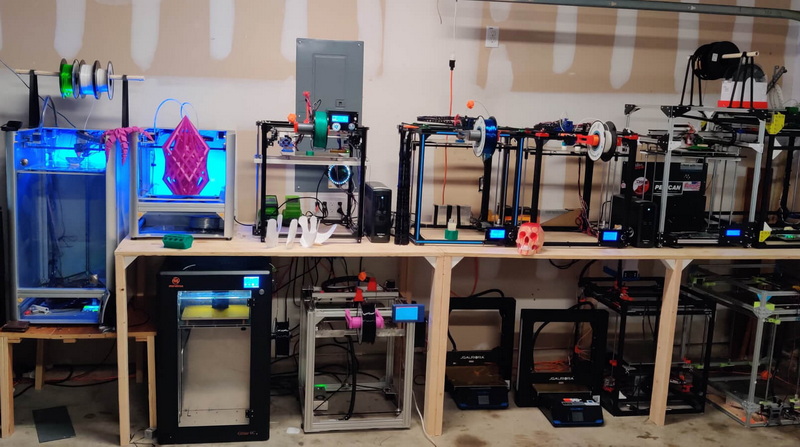
As your client base grows, establishing efficient production workflows becomes critical. Adopt digital tools such as Trello, Airtable, or specialized order management software to track job progress from inquiry to delivery.
Maintain open communication channels—confirm orders, share production updates, and notify customers about completion or delays. When issues occur (failed prints, design errors, or shipping damage), handle them promptly and transparently. Offering reprints or partial refunds may cost you initially but pays off through customer loyalty.
Excellent service combined with fast response builds your reputation faster than volume alone.
Once your foundation is stable, focus on growth. Expansion can take several forms:
- Increase capacity: Add more printers or rent shared workspace with industrial machines.
- Diversify materials: Introduce metal, carbon fiber, or flexible filament printing.
- Develop digital products: Sell downloadable 3D models or exclusive design templates.
- Enter B2B collaboration: Work directly with manufacturers, medical labs, or engineers.
- Outsource selectively: Delegate non-core tasks like packaging or delivery.
Investing early profits strategically ensures smooth scaling without sacrificing service quality. Continually analyze new trends such as bioprinting, recycled materials, or AI-generated 3D designs to stay ahead of competitors.
Running a legitimate and secure business means handling legalities early. Register your business under the appropriate entity (LLC or sole proprietorship) to protect personal assets. Obtain local permits if operating heavy machinery or handling chemicals.
Draft written contracts to protect both you and your clients. Agreements should clarify:
- Ownership of design files and printed products.
- Non-disclosure clauses for sensitive prototypes.
- Payment methods and delivery terms.
Finally, track all income and expenses through accounting software for tax purposes. Keeping finances organized allows for clearer growth planning and financial forecasting.
New 3D printing businesses often face several obstacles. Understanding them early helps you prepare proactive solutions.
1. Print Failures: Frequent calibration and using high-quality materials reduce the risk of defects.
2. Client Education: Some clients may not understand the limitations of 3D printing; communicate realistic expectations.
3. Competition: Differentiate through speed, finishing quality, or customer service excellence.
4. Material Costs: Purchase in bulk or partner with suppliers for discounts.
5. Time Management: Automate production where possible and schedule batches efficiently.
Every challenge presents an opportunity to refine your operations and stand out in a crowded marketplace.
Launching a 3D printing service business is both creative and technical. It blends design, engineering, and entrepreneurship, giving you the freedom to work independently while serving a wide range of clients. By identifying your target market, investing in the right equipment, developing reliable pricing, and building brand trust, you can transform your 3D printing passion into a rewarding and sustainable career.
Growth will come through perseverance, innovation, and consistently exceeding client expectations. Every print is a chance to prove what digital manufacturing can achieve.
You should understand digital modeling, printer maintenance, and post-processing techniques. Basic business management and communication skills are also necessary to attract clients and manage operations.
Price by considering material type, printing time, and finishing labor. Many professionals charge hourly or by material weight, adjusting rates for more complex projects.
Yes. Many businesses start from home workshops. Ensure proper ventilation, follow safety guidelines, and check for local zoning rules to avoid violations.
High-margin niches include jewelry, prosthetics, cosplay props, replacement machine parts, and custom corporate gifts. Choose a field that aligns with your expertise and available equipment.
Start by building a strong online presence and showcasing high-quality work on social media. Offer discounts to early customers, collaborate with local creators, and encourage online reviews to build credibility.


