From idea to market-ready product, our NPI solutions make every stage easier, faster. Discover How We Help

Views: 222 Author: Tomorrow Publish Time: 2026-02-02 Origin: Site


Content Menu
● Understanding The Basics Of CNC Machining
● Why Speed Matters in CNC Machining
● 1. Optimize CNC Machining Setup Time
● 2. Choose The Right Cutting Tools
● 3. Improve Machining Parameters
● 4. Adopt High-Efficiency Milling and Turning Techniques
● 5. Optimize Tool Path Programming
● 6. Implement Real-Time Monitoring and Automation
● 7. Ensure Proper Machine Maintenance and Calibration
● 8. Train Operators and Standardize Procedures
● 9. Optimize Material Selection and Preparation
● 10. Integrate CAD/CAM Systems and Digital Simulation
● 11. Use Advanced Coolant Delivery Systems
● 12. Explore High-Speed CNC Machines and Spindles
● 13. Employ Continuous Process Analysis and Data Tracking
● FAQ
>> 1. What is the most impactful way to speed up CNC machining?
>> 2. How do tool materials affect machining speed?
>> 3. Can software really make CNC machining faster?
>> 4. Why is automation crucial for faster CNC machining?
>> 5. How often should machines be calibrated to maintain speed?
In the fast-paced world of modern manufacturing, efficiency determines competitiveness. CNC machining — short for Computer Numerical Control machining — is one of the most precise and flexible manufacturing methods. Whether producing aerospace components, automotive parts, or precision molds, manufacturers constantly strive to make the process faster without compromising part quality or tool life.
This guide explains how to speed up CNC machining efficiently through a combination of smart setup management, machine optimization, advanced tooling, software integration, and operator training. By applying these methods step by step, companies can achieve shorter lead times, higher output, and better cost performance.
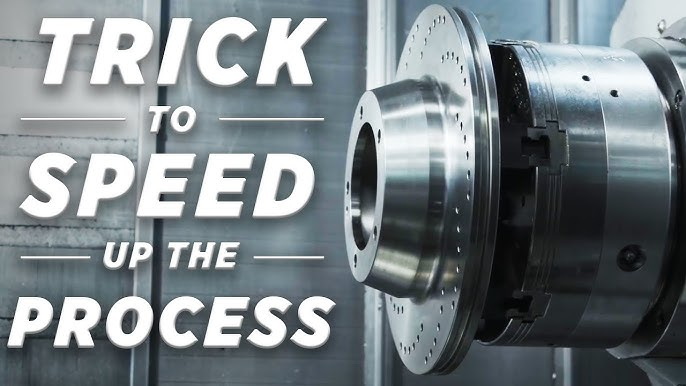
CNC machining automates traditional machining through computerized commands controlling axes, spindle speeds, and cutting paths. Unlike manual processes, CNC machining allows continuous, repeatable, and high-precision production with minimal human interference.
However, the overall speed of CNC machining is determined by numerous variables:
- Machine model, type (milling, turning, 5-axis), and age
- Cutting tool geometry and material
- Programming and tool path optimization
- Clamping and workholding setup
- Operator skill and machine maintenance condition
When one or more of these elements perform inefficiently, machining time increases. Therefore, improving CNC machining speed is a systematic optimization process instead of simply increasing the feed rate or spindle speed.
Speed plays a vital role in both productivity and profitability. Reducing cycle time helps manufacturers deliver more parts per shift, respond faster to market demands, and reduce overhead costs per unit.
Still, blindly increasing speed can cause vibration, excessive heat, and dimensional errors. The aim is to find the optimal balance between machining speed and stability. True efficiency in CNC machining emerges from precision and reliability operating simultaneously — not one at the cost of the other.
Preparation is the foundation of speed. Many workshops lose valuable hours during tool changes, alignment, and material positioning. Each minute spent in setup is a minute lost in production.
Strategies to minimize setup time:
- Use quick-change fixturing and zero-point clamping systems.
- Apply standardized tool holders and preset cutter lengths.
- Prepare tool offsets and G-code verification offline.
- Organize workstations with shadow boards and clear labeling.
- Plan sequential jobs with similar setups to avoid unnecessary tear-downs.
Focusing on “setup efficiency” rather than “speed at the spindle” often brings the greatest return on time investment.
Cutting tools define the interaction between machine and material — the sharper and stronger the tool, the faster the machining process can run.
Tips for tool optimization:
- Use high-performance carbide or coated tools for durability.
- Match tool geometry to specific operations: variable-flute end mills for milling, coolant-fed drills for deep holes, and superior coatings for stainless steel or titanium.
- Replace dull cutters before excessive wear slows the process.
- Adopt indexable tooling for repetitive production and quick replacements.
- Utilize tool libraries and presetting stations to reduce manual adjustments.
Innovations like hybrid ceramic cutters and PVD-coated inserts have made modern CNC machining significantly faster and more reliable than traditional tooling setups.
The three main machining parameters — spindle speed (RPM), feed rate (mm/min), and depth of cut — require careful balancing.
- Increase spindle speed moderately for materials like aluminum or brass to improve surface finish.
- Raise feed rate when cutting conditions allow; however, maintain rigidity and proper tool engagement.
- Optimize depth of cut so tools remove maximum material per pass without overloading.
Using adaptive control software can automatically adjust these parameters based on real-time resistance and tool load, maintaining ideal cutting conditions throughout the job.
Advanced strategies can dramatically shorten CNC machining time:
- High-speed machining (HSM): Allows light, fast passes for better surface finish.
- Trochoidal milling: Reduces engagement to keep chip thickness constant.
- Peck drilling: Efficiently clears chips from deep holes.
- Dynamic tool paths: Keep consistent cutting forces and prevent tool overload.
- Simultaneous multi-axis turning: Reduces repositioning and manual involvement.
Combined, these methods can improve feed rates by 20–60% while extending tool life.
Software optimization often produces faster gains than equipment upgrades. Tool path programming directly determines machine movement efficiency.
Key optimization ideas:
- Eliminate unnecessary retracts and air cuts.
- Use climb milling instead of conventional milling whenever possible.
- Apply helical interpolation for holes instead of multiple plunge cuts.
- Program symmetrical movements to preserve balance and reduce vibration.
- Simulate machining paths in CAM software before running actual jobs.
Advanced CAM programs like Mastercam, HyperMill, or Fusion 360 allow high-speed tool paths that minimize redundant travel and improve spindle uptime.
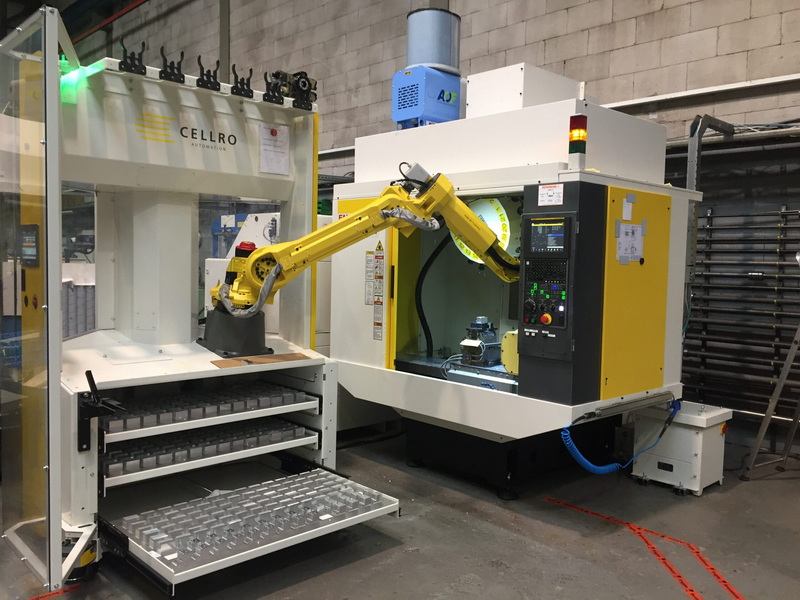
Automation brings continuous productivity to CNC machining. With integrated sensors and IoT technologies, modern shops can monitor performance without pausing production.
Efficient automation strategies include:
- Installing automatic tool changers (ATC) and pallet changers.
- Connecting machine networks for remote production monitoring.
- Using real-time spindle load sensors for adaptive feed adjustments.
- Employing robotic arms for loading, unloading, and part inspection.
This technology-driven approach transforms CNC machining into a nearly autonomous process — improving speed, consistency, and overall productivity.
A powerful machine is only as fast as it is stable. Regular maintenance preserves precision and reduces performance drops.
Maintenance essentials for faster CNC machining:
- Keep linear rails, ball screws, and guideways lubricated.
- Regularly calibrate axes and spindle alignment.
- Replace worn bearings, belts, and seals as preventive care.
- Perform daily cleaning to avoid chip buildup.
- Implement predictive maintenance systems that use vibration or temperature sensors to detect early faults.
Neglecting maintenance leads to slower operation, lower accuracy, and unplanned downtime — all of which significantly affect machining efficiency.
Even with advanced machinery, operator expertise remains a major determinant of speed. Skilled machinists know how to set up efficiently, interpret cutting sounds, and fine-tune parameters for each material.
To improve operator performance:
- Schedule training for new machining technologies and toolpath strategies.
- Create standard operating procedures (SOPs) across machines and shifts.
- Encourage knowledge sharing among programmers, tool engineers, and machinists.
- Measure performance with clear metrics such as spindle uptime and scrap ratio.
Well-trained teams can extract maximum potential from CNC machining systems through consistency and precision.
Material machinability should always be considered in production planning. Using materials with consistent hardness and clean surfaces helps accelerate cutting speeds and extend tool life.
Practical steps:
- Pre-machine blanks to remove excess stock before CNC machining.
- Verify heat treatment uniformity for alloys and hardened steels.
- Deburr or clean the surface of incoming materials to prevent tool damage.
- Store materials properly to prevent corrosion or warping.
Material structure can impact tool life by up to 50%, making it one of the most overlooked aspects of improving CNC machining performance.
For competitive manufacturers, synchronization between design (CAD) and manufacturing (CAM) saves enormous time. Integrating digital simulation ensures smooth production from concept to final part.
Digital optimization benefits:
- Detect potential tool collisions before machining.
- Verify achievable feed rates and spindle speeds virtually.
- Optimize tool paths to avoid air cuts and unnecessary repositions.
- Reduce rework and trial runs.
- Facilitate fast iteration from prototype to mass production.
Modern digital workflows allow seamless data translation, reducing total CNC machining lead times by days or even weeks.
Heat is one of the biggest enemies of cutting speed. Effective coolant application prevents overheating, prolongs tool life, and maintains dimensional stability.
Options to enhance cooling performance:
- High-pressure coolant nozzles for deep hole drilling.
- Through-tool coolant systems to target the cutting zone directly.
- Minimum Quantity Lubrication (MQL) to combine lubrication with dry machining speed advantages.
- Intelligent coolant orientation using programmable nozzles in 5-axis systems.
Proper cooling not only allows higher cutting speeds but also improves chip control and surface quality.
If your goal is consistent high-speed manufacturing, upgrading machinery may be necessary. High-speed CNC machining centers have advanced spindles, servo drives, and vibration damping systems designed for aggressive feed rates.
Key benefits:
- Faster acceleration and deceleration rates.
- Improved rigidity for precision at high speed.
- Integrated sensors for thermal compensation.
- Shorter tool change cycles.
Although high-speed machines require a higher investment, they deliver faster returns through reduced cycle times and unmatched productivity.
Measuring performance is the only way to identify progress. Continuous monitoring of CNC machining operations enables real-time decision-making.
Performance metrics to track:
- Average spindle utilization percentage.
- Machine idle time vs. runtime.
- Tool life per batch and number of tool changes per shift.
- Scrap rates and rework frequency.
- Energy and coolant consumption.
Analyzing this data regularly helps refine machining strategies, detect inefficiencies, and promote sustained production speed improvements.
Speeding up CNC machining requires a balanced, strategic approach. It's not merely about pushing feed rates to the limit but about tuning every part of the process — from setup and tooling to programming, automation, and operator expertise.
Whether you're running a small job shop or a high-volume production facility, adopting high-efficiency methods, optimizing tool paths, maintaining your equipment, and investing in staff training will ensure faster, more reliable CNC machining.
When properly executed, these improvements result in higher output, better quality, and stronger competitiveness in global manufacturing markets.
Contact us to get more information!
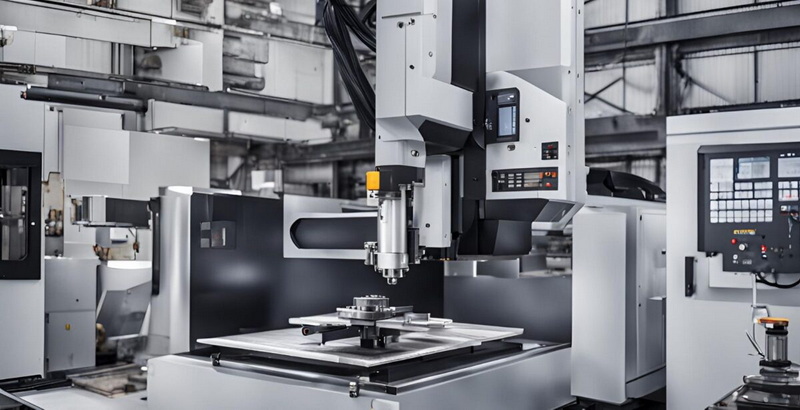
Focusing on setup time optimization and effective toolpath strategies yields the biggest improvements. Combine those with updated tools and adaptive control systems for sustained gains.
Tool material determines cutting temperature limits and wear resistance. Carbide, ceramic, or CBN tools handle higher speeds and maintain sharpness longer than conventional HSS tools.
Yes. CAM software optimizes movement patterns, reduces air cutting, and ensures the tool remains engaged effectively, often trimming overall cycle time by 25% or more.
Automation minimizes downtime between operations. With robot handling, pallet changers, and automatic monitoring, machines can work continuously even during off-hours.
Regular monthly calibration is recommended for industrial-grade machines, alongside weekly cleaning and lubrication. Predictive maintenance tools can extend calibration intervals safely.
1. https://www.machinemfg.com/how-to-improve-cnc-machining-efficiency/
2. https://www.haascnc.com/resources/articles/fast-cnc-machining.html
3. https://www.mastercam.com/news/blogs/high-efficiency-milling-techniques/
4. https://www.mmsonline.com/articles/how-to-reduce-cnc-cycle-time
5. https://www.autodesk.com/products/fusion-360/blog/cnc-machining-optimization/


