From idea to market-ready product, our NPI solutions make every stage easier, faster. Discover How We Help

Views: 222 Author: Tomorrow Publish Time: 2026-02-03 Origin: Site


Content Menu
● Understanding Fixtures in CNC Milling
● Why CNC Milling Fixtures Matter
● Planning Your CNC Milling Fixture Setup
● Choosing Workholding and Fixture Style for CNC Milling
● Step-By-Step: How To Set Up a Fixture on CNC Milling Machine
>> Step 1 – Safety and Preparation
>> Step 2 – Clean and Inspect the Machine Table
>> Step 3 – Mount the Fixture Base on the CNC Milling Table
>> Step 4 – Align and Tram the Fixture
>> Step 5 – Install Locators, Stops, and Clamps
>> Step 6 – Load the Workpiece and Verify Clearance
>> Step 7 – Set Work Offsets and Probing
● Best Practices for Reliable CNC Milling Fixture Setups
● Common Mistakes to Avoid in CNC Milling Fixture Setup
● Advanced Fixture Concepts for CNC Milling
● FAQ About CNC Milling Fixture Setup
>> 1. What is the main purpose of a fixture in CNC milling?
>> 2. How do I choose between a vise and a dedicated fixture for CNC milling?
>> 3. How tight should I clamp the workpiece in CNC milling?
>> 4. Do I need to re-tram the fixture for every CNC milling job?
>> 5. How can I reduce setup time for repetitive CNC milling jobs?
Setting up a fixture correctly is one of the most important skills in CNC milling because it directly affects accuracy, surface finish, and productivity. A reliable CNC milling fixture setup ensures the workpiece is rigid, repeatable, and safe throughout the entire machining cycle.

A fixture in CNC milling is a dedicated workholding device designed to locate, support, and clamp a workpiece so that it can be machined accurately and repeatedly. Unlike a simple vise, a CNC milling fixture is usually custom or semi-custom and controls part position in multiple axes for consistent results.
CNC milling operations demand precise alignment between the cutting tool, spindle, and workpiece, so the fixture becomes part of the overall accuracy chain. When the fixture is poorly designed or incorrectly mounted, CNC milling programs that are perfect in CAM will still produce out-of-tolerance parts.
Common CNC milling fixtures include vise-mounted soft jaws, fixture plates with dowel pins, modular tombstones, and rotary fixtures for 4th-axis work. All of them share the same CNC milling objective: constrain the workpiece in all degrees of freedom while allowing full tool access to critical surfaces.
CNC milling fixtures are usually designed for a specific part or family of parts, especially in high-volume production. This allows the CNC milling process to run faster, with fewer setups and less operator intervention.
In CNC milling, cycle time and consistency determine how profitable a job will be. A well-designed fixture can dramatically reduce loading time, probing time, and rework caused by misalignment.
Good CNC milling fixtures ensure conformity and interchangeability, so any part that fits the fixture will be machined within the same tolerance band. This is critical when CNC milling is used for long-term production where thousands of identical parts must match.
Fixtures also open up more machining possibilities on a single setup. With the right CNC milling fixture, it is often possible to machine three or more faces of a part without reclamping, which reduces cumulative error and increases throughput.
Finally, CNC milling fixtures improve safety by preventing parts from shifting or being pulled out of the workholding under heavy cutting loads. This protects both the operator and the machine.
Before touching the CNC milling machine, you should analyze the part drawing, tolerances, and machining sequence to determine how the fixture must hold the workpiece. High-precision features or tight true position callouts usually dictate where the most accurate locators should contact the part in CNC milling.
During planning, consider which faces must be machined in each CNC milling setup and which faces can be used as locating references. The goal is to minimize the number of setups on the CNC milling machine while still getting full access to all required features.
You also need to evaluate clamping surfaces that can withstand cutting forces and avoid part distortion in CNC milling. Thin walls, long overhangs, and delicate features may need additional support from rest pads, nested pockets, or auxiliary clamps in the CNC milling fixture.
Other planning factors for CNC milling fixtures include part quantity, material, and expected life of the project. For short runs, simple CNC milling vise setups may be enough, while large, recurring orders justify custom fixtures.
For many CNC milling jobs, a precision machine vise with suitable jaws is still the fastest solution. CNC milling vises provide high clamping force, good repeatability, and quick changeover, especially when combined with soft jaws machined to match the part profile.
Dedicated fixture plates are used when you need to machine multiple identical parts or complex geometries on a CNC milling center. These plates often include dowel pin holes, threaded holes, and hardened bushings that guide part location and improve repeatability for CNC milling.
For high-volume or multi-face CNC milling, tombstone fixtures and 4th-axis rotary fixtures mount several parts at once and allow machining on many sides per cycle. This style dramatically increases spindle utilization on CNC milling machines by reducing idle time for loading and unloading.
Vacuum fixtures can also be used in CNC milling for large, flat, or thin parts where mechanical clamping might distort the material. However, they require careful sealing, adequate vacuum flow, and conservative cutting parameters to maintain holding power during CNC milling.
Hydraulic or pneumatic clamping systems are often added to CNC milling fixtures when parts must be loaded and unloaded rapidly. These systems reduce manual effort and provide consistent clamping force on every CNC milling cycle.
Before starting any CNC milling fixture setup, follow standard safety procedures including PPE, guarding, and pre-operation checks. Verify that safety guards, emergency stop buttons, and interlocks on the CNC milling machine are functioning correctly.
Clear the CNC milling work area of chips, old fixtures, and loose objects that might obstruct the new setup. Inspect the selected fixture, clamps, and fasteners for wear or damage, because compromised components can fail under CNC milling loads.
Confirm that you have all necessary tools and accessories for the CNC milling setup, such as torque wrenches, dial indicators, edge finders, and alignment keys. Having everything close at hand reduces machine downtime and avoids rushing, which can lead to errors during fixture installation on the CNC milling machine.
A clean, flat interface between the machine table and fixture is essential for accurate CNC milling. Remove the current workholding from the CNC milling table and thoroughly clean T-slots, locating keys, and table surface using a brush and approved cleaner.
Inspect the CNC milling table for nicks, burrs, or raised areas that could tilt the fixture. Lightly stone any high spots if allowed by shop procedures, ensuring the table remains flat and ready for fixture mounting in CNC milling.
If the CNC milling machine uses a tooling plate or sub-plate, clean and inspect that surface as well. Any debris trapped between the plate and the fixture can introduce angular error, which will appear as misalignment and inconsistent depths during CNC milling.
Position the fixture base plate, vise, or tombstone on the CNC milling table so that it aligns with the machine axes and provides enough travel for the planned operations. When possible, use keys or locating strips that engage with T-slots to align the fixture quickly along the machine axes on the CNC milling center.
Install T-nuts, studs, and clamps, then gradually snug them in a star pattern to pull the fixture base down evenly to the CNC milling table. Use a torque wrench if specified, because over-tightening can distort the fixture body and reduce accuracy in CNC milling.
If you are using a modular tooling plate system, locate the CNC milling fixture plate using precision dowel pins and then tighten the mounting bolts. This approach allows the same CNC milling fixture to be removed and reinstalled with very little loss of position.
On a vertical CNC milling machine, you often need to tram a vise or fixture plate so that its fixed jaw or reference edge is parallel to the X-axis. Mount a dial test indicator in the spindle, sweep along the jaw or reference edge, and tap the fixture lightly until runout is within tolerance for CNC milling.
For fixture plates with precision dowel holes, you can also indicate on reference pins to verify alignment on the CNC milling machine. Once aligned, fully tighten all clamps and re-check to ensure the fixture did not shift before CNC milling begins.
For tombstones and rotary fixtures used in CNC milling, alignment might include checking squareness relative to the table and centering relative to the rotary axis. Always follow the manufacturer's recommendations to avoid misalignment that can affect multi-side CNC milling operations.
Next, install the locating elements that will define the part position within the CNC milling fixture. Typical locators for CNC milling include hardened dowel pins, rest pads, shoulders, and side stops that establish datum surfaces and prevent movement.
Arrange locators to follow basic 3-2-1 fixturing principles so the workpiece is fully constrained without over-constraining it during CNC milling. Then select clamps or hold-downs that apply force toward the locators, pushing the part into a repeatable position in the CNC milling fixture.
Avoid placing clamps directly over finished surfaces that must remain free of marks after CNC milling. Use step clamps, toe clamps, cam clamps, or low-profile clamps to keep the cutter path unobstructed during CNC milling operations.
Check that all screws, studs, and clamps used in the CNC milling fixture have adequate thread engagement and are not bottoming out in tapped holes. Proper fastener selection prevents loosening or breakage during aggressive CNC milling passes.
Place the first workpiece into the CNC milling fixture against the primary locators and stops. Apply clamp force gradually, confirming that the part seats firmly against rest pads and stationary jaws before tightening fully on the CNC milling machine.
With the clamps tight, jog the CNC milling spindle around the part in all programmed directions at a safe clearance height. This dry run checks that tools, holders, and CNC milling paths do not collide with clamps, locators, or the fixture itself.
For complex CNC milling programs, run a simulation in CAM and then perform a single-block or feed-hold test near tight areas. Make adjustments to clamp positions or tool lengths before running full-speed CNC milling cycles on multiple workpieces.
Pay special attention to chip flow and coolant direction during CNC milling. Poor chip evacuation around clamps and locators can cause recutting of chips and localized heat, which may affect part accuracy and surface finish.
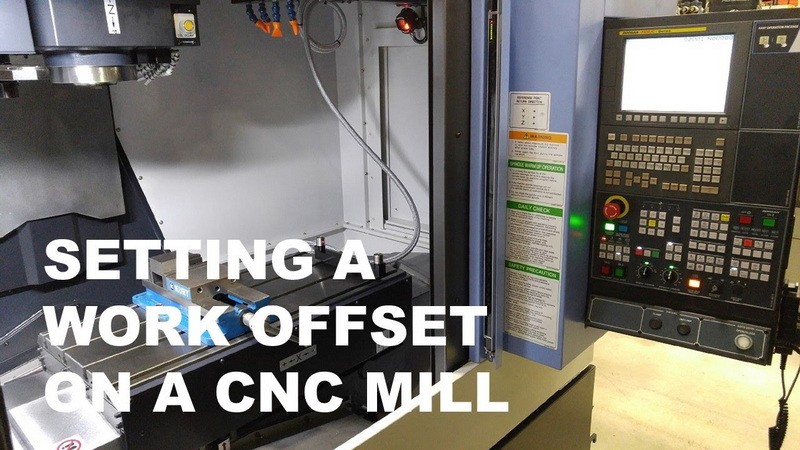
With the workpiece clamped, you must define the work coordinate system used by the CNC milling program. Use an edge finder, 3D probe, or touch-off routine to pick up the fixture's reference corner or locating pin on the CNC milling machine.
Store these values in the appropriate work offset (such as G54, G55, or G56) for the CNC milling job. For multi-part fixtures, assign separate work offsets or use probing macros to locate each station precisely before CNC milling begins.
Finally, verify Z-height using a tool setter or probing surface on the CNC milling table or fixture plate. Correct Z-offsets are critical for maintaining accurate depths, avoiding crashes, and protecting both tools and fixtures during CNC milling.
In more advanced CNC milling cells, automatic probing cycles may be integrated into the program to confirm part position and make small corrections. This capability further increases the robustness of the CNC milling fixture setup for long production runs.
Use rigid, well-supported fixtures that minimize overhang and vibration in CNC milling. Thin or flexible fixtures can resonate under cutting loads and create chatter, poor surface finish, or dimensional errors in CNC milling.
Whenever possible, design CNC milling fixtures that allow multiple parts to be loaded while the spindle is cutting other workpieces. This approach keeps the CNC milling machine productive and reduces overall cycle time in production environments.
Standardize fixture components like clamps, pins, and plates across many CNC milling jobs so that setups become faster and more repeatable. Document each CNC milling fixture with photos, CAD models, and setup sheets so operators can replicate successful configurations.
Regularly inspect fixture wear surfaces, replace damaged locators, and check for loosening hardware in CNC milling environments. Proper maintenance ensures that even long-running CNC milling jobs remain accurate throughout their lifecycle.
Where appropriate, consider modular tooling plates and quick-change pallets on CNC milling machines. These systems allow entire fixtures to be swapped in minutes, dramatically reducing non-cutting time and setup variability.
One frequent mistake in CNC milling is clamping only one side of a long part without adequate support underneath, which allows deflection during cutting. This leads to tapered cuts, out-of-square features, and poor surface finish on CNC milling operations.
Another issue is over-constraining the part with too many rigid locators in the CNC milling fixture. When thermal expansion or slight part variation is not allowed to float, internal stresses can cause warping as CNC milling progresses.
Improper alignment of the fixture with respect to machine axes is also common, especially on manual setups for CNC milling. When the fixed jaw of a vise is not truly parallel to X, side-milling operations will leave steps or inconsistent stock conditions in CNC milling.
Neglecting clearance for toolholders, coolant lines, and chip evacuation can cause surprise collisions in CNC milling programs. Always visualize or simulate the entire CNC milling toolpath relative to clamps and locators before running at full speed.
A final mistake is ignoring the economic side of CNC milling fixtures. Complex fixtures consume design and build time, so they should be reserved for CNC milling jobs where volume, tolerance, or complexity justifies the investment.
As production volumes grow, many shops adopt modular fixture systems to improve CNC milling flexibility. These systems use standardized grid patterns of dowel and threaded holes, allowing rapid rearrangement of locators and clamps for different CNC milling jobs.
4th-axis and 5th-axis CNC milling fixtures let you machine multiple sides of a part in one clamping. Such fixtures are mounted on rotary tables or trunnions and require careful balancing and cable management during CNC milling.
Additive manufacturing is increasingly used to create custom jaws and nests for CNC milling fixtures. These printed components can conform exactly to complex shapes, reducing setup time and improving stability in CNC milling.
In high-precision industries like aerospace and medical, CNC milling fixtures often integrate probing targets and in-process measurement. This enables closed-loop adjustments to toolpaths and offsets, maintaining tight tolerances throughout extended CNC milling runs.
Modern CNC milling cells may also use pallet pools where multiple fixtures are preloaded outside the machine and automatically swapped in. This approach allows nearly continuous CNC milling, with fixture setup performed offline.
Setting up a fixture on a CNC milling machine is far more than just clamping a part; it is a structured process that starts with understanding the part, planning workholding, and designing the right fixture style. By methodically cleaning the table, mounting and aligning the fixture, installing locators and clamps, and setting accurate work offsets, you create a robust foundation for precision CNC milling.
When you follow best practices and avoid common mistakes, CNC milling fixtures deliver repeatable, safe, and efficient operations over many production cycles. Investing time and attention into fixture setup will always pay off in fewer scrap parts, better quality, and more productive CNC milling.
Contact us to get more information!
The main purpose of a fixture in CNC milling is to locate and hold the workpiece securely so that it cannot move under cutting forces while maintaining precise alignment with the machine axes. A good fixture ensures that each part placed in the CNC milling machine is machined consistently and meets dimensional tolerances.
Use a precision vise for general CNC milling jobs, short runs, or rectangular stock where simple clamping is sufficient. Choose a dedicated CNC milling fixture or fixture plate when you need higher repeatability, to run multiple parts at once, or to hold complex geometries that a standard vise cannot grip.
Clamp force in CNC milling should be high enough to resist the maximum expected cutting forces but not so high that it distorts the workpiece. Use consistent torque on clamps and vises, and where possible reference manufacturer guidelines for clamp hardware used in CNC milling fixtures.
You do not always need to re-tram if the fixture remains bolted and keyed to the CNC milling table and has not been disturbed. However, anytime the fixture is removed, relocated, or you notice alignment issues in CNC milling results, you should check and re-tram to restore accuracy.
To reduce setup time, standardize modular fixtures, use quick-change plates, and add locating keys that drop onto the CNC milling table in the same position every time. Combine these with well-documented work offsets and setup sheets so operators can start CNC milling with minimal adjustments.
1. https://www.cnccookbook.com/cnc-jigs-fixtures-workholding-solutions-milling/
2. https://www.wisconsinmetalparts.com/blog/cnc-fixturing-guide
3. https://www.rapiddirect.com/blog/cnc-fixture/
4. https://formlabs.com/blog/machining-fixtures-milling-cnc-workholding-jigs-3d-printing/
5. https://blocktobox.com/blogs/articles/cnc-fixture-design-guide
6. https://allindustrial.com/products/workholding/
7. https://cncmachines.com/comprehensive-cnc-machine-setup-checklist
8. https://www.unionfab.com/blog/2024/06/cnc-fixture
9. https://www.autodesk.com/products/fusion-360/blog/understanding-the-top-10-cnc-fixturing-types/
10. https://hwacheonasia.com/cnc-machines-the-ultimate-list-of-dos-donts/
11. https://www.creatingway.com/guide-to-using-fixtures-in-custom-cnc-machining/
12. https://www.fictiv.com/articles/cnc-machine-safety-essentials-our-best-tips


