From idea to market-ready product, our NPI solutions make every stage easier, faster. Discover How We Help

Views: 222 Author: Tomorrow Publish Time: 2026-01-31 Origin: Site
Content Menu
● Understanding the Function of Cutting Oil in CNC Milling
● Why Separating Cutting Oil Matters in CNC Milling
● The Science Behind Oil Contamination in CNC Milling
● Methods to Separate Cutting Oil from CNC Milling Systems
>> 3. Centrifugal Oil Separators
>> 4. Coalescing Oil Separators
>> 5. Filtration and Ultrafiltration Technology
● Step-by-Step Oil Separation Process for CNC Milling
● Automation and Smart Filtration Systems in CNC Milling
● Maintenance and Prevention Strategies
● Economic and Environmental Benefits
● Choosing the Right Separation System for CNC Milling Workshops
● Case Example: CNC Milling Oil Recovery in an Aluminum Machining Plant
● FAQ
>> 1. How often should cutting oil be separated in CNC milling?
>> 2. Can contaminated cutting oil damage CNC milling machines?
>> 3. Which system is best for large-scale CNC milling operations?
>> 4. Can cleaned cutting oil be reused safely?
>> 5. What are safe disposal methods for waste oil and sludge?
Cutting oil plays an essential role in CNC milling, where accuracy, speed, and quality rely on effective cooling and lubrication. Over time, however, the cutting oil becomes polluted with metal chips, tramp oil, dirt, and coolant residues. These contaminants lower the efficiency of the oil, shorten tool life, and can even damage expensive CNC milling machines. Learning how to separate cutting oil from CNC milling is a vital step for manufacturers that want to save costs, extend equipment lifespan, and maintain eco-friendly workshop operations.
This article explains in detail the importance of oil separation, the science behind contamination, and several practical methods that can help you restore cutting oil to a reusable condition. Whether you run a small CNC shop or manage a large production facility, applying efficient oil separation technology can significantly improve machining performance and lower maintenance budgets.
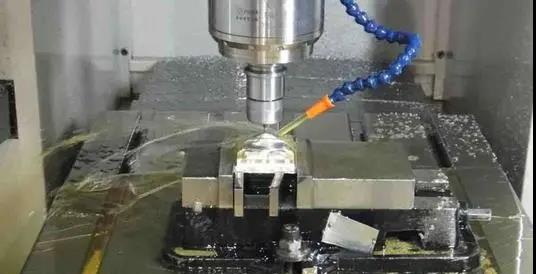
Cutting oil is a specially engineered liquid applied during CNC milling to reduce heat, minimize friction, and flush away metal chips. Because milling tools cut through tough materials like aluminum, steel, or titanium alloys, intense heat and mechanical stress occur at the cutting interface.
In CNC milling processes, cutting oil serves several functions:
- It cools both the tool and the workpiece during operation.
- It lubricates the tool edge to prevent metal-to-metal contact.
- It disperses chips and debris efficiently for a cleaner work zone.
- It protects metal surfaces from oxidation and corrosion.
However, as CNC milling continues, this coolant-oil mixture gradually collects tramp oil (from hydraulic leaks), fine metal debris, and bacteria. The oil then becomes unstable and loses its original properties. This is why it's crucial to separate and clean cutting oil regularly before reuse.
When contaminated oil recirculates through your CNC milling systems, it can create multiple production and maintenance issues. Here are some of the major consequences of unfiltered oil:
1. Premature Tool Wear – Metal particles turn the oil abrasive, eroding tool edges faster.
2. Unstable Cutting Temperatures – Impure oil loses viscosity and cooling capacity.
3. Reduced Machining Accuracy – Tramp oil causes uneven lubrication, affecting tolerance precision.
4. Machine Contamination – Sticky sludge builds up on pumps, filters, and coolant lines.
5. Unpleasant Odor and Microbial Growth – Waste oil becomes a breeding ground for bacteria.
By maintaining a clean oil system through planned separation, CNC milling performance remains stable, surfaces remain consistent, and long-term costs are minimized. Furthermore, cleaner oil aligns with modern global sustainability practices.
During CNC milling, oil undergoes a physical transformation as contaminants are introduced. The contamination typically appears in three physical forms:
- Solid Suspensions: Tiny particles and chips that remain distributed throughout the liquid.
- Emulsions: Mixtures where cutting oil combines with water-based coolants, creating a cloudy appearance.
- Tramp Oil Layers: Residual lubricants or hydraulic oils that float at the surface.
The challenge lies in isolating these contaminants since each type behaves differently. Solids can be filtered out mechanically, while emulsions may require chemical or centrifugal separation. Because CNC milling often uses recirculating coolant systems, routine filtration is essential to prevent recontamination of the cutting zone.
There are several proven methods to clean and separate used cutting oil in CNC milling facilities. Choosing the most suitable one depends on the level of contamination, production volume, and investment capability.
Gravity separation relies on density differences between oil, water, and metal particles. In this method:
- Contaminated oil is stored in a settling tank.
- Heavier materials such as metal chips settle to the bottom.
- Lighter oil rises to the top, forming a layer that can be skimmed off.
Although this process is simple and affordable, it's most effective for mild contamination and may need secondary filtration to achieve high purity.
An oil skimmer removes tramp oil floating on coolant surfaces. Common skimmer designs include belt, disk, tube, and rope types. These systems continuously collect surface oil, which can then be stored separately for recycling.
Advantages of using skimmers in CNC milling:
- Continuous operation with minimal manual labor.
- Prevents bacterial growth by removing surface oil film.
- Extends coolant life by reducing cross-contamination.
However, oil skimmers cannot process emulsified or deeply mixed oils, and should be combined with other purification technologies for complete separation.
Centrifugal separators use rotational force to separate dense solids and immiscible liquids. By spinning at high speed, centrifugal systems create a strong gravitational field that pushes heavier materials away from the center.
Benefits for CNC milling:
- Removes both fine solids and trapped water efficiently.
- Provides consistent separation results for long production runs.
- Operates automatically with very little maintenance requirement.
Centrifugal separators are highly suitable for large CNC production lines where downtime needs to be minimized.
Coalescers are designed to combine small oil droplets into larger ones that can easily float and be removed. They use porous media or special plates that enhance coalescence, accelerating oil separation.
Why coalescing separators are recommended in CNC milling:
- Excellent for handling emulsified mixtures.
- Compact installation design fits near machine tanks.
- Compatible with automatic coolant filtration loops.
This method is ideal in precision manufacturing sites that value consistent coolant quality and steady machine temperature control.
Modern CNC milling workshops use multi-stage filtration systems, which include mechanical filters and ultrafiltration membranes. These remove micro-contaminants, emulsions, bacteria, and micro debris.
A typical setup includes:
- A coarse pre-filter to trap large chips.
- Pressure filters for medium-sized solids.
- Ultrafiltration membranes for fine separation at the molecular level.
This method provides the highest oil clarity possible and greatly extends the lifespan of coolants and lubricants in high-speed CNC milling machines.
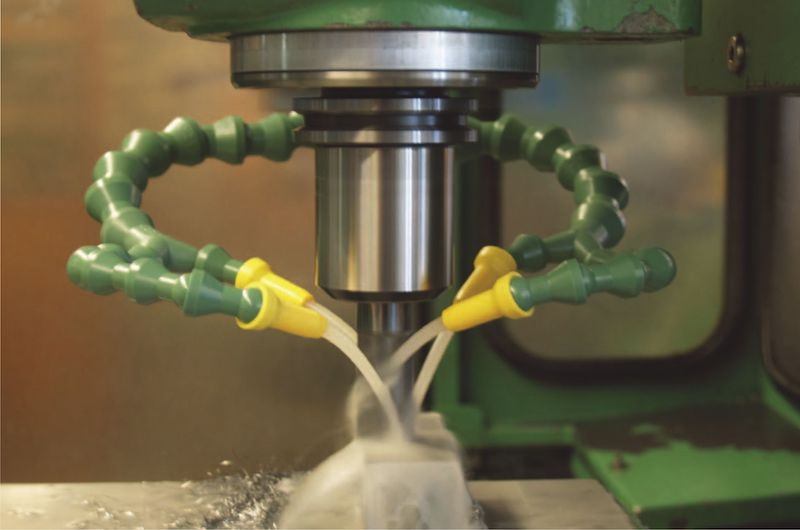
Here is a general workflow for reclaiming and cleaning cutting oil from a CNC milling system:
1. Collect mixed coolant and oil from the machine's tank or sump.
2. Filter large chips using a simple strainer or mesh screen.
3. Transfer the mixture into a settling or holding tank for gravity-based pre-separation.
4. Use an oil skimmer to remove the top tramp oil layer.
5. Pump the fluid into a centrifugal or ultrafiltration system for deep purification.
6. Check purity levels and viscosity to ensure compliance with CNC milling requirements.
7. Store clean oil in a separate sealed tank for reuse.
8. Dispose of sludge and wastewater through certified waste management services.
Following this systematic approach can recover up to 85–90% of usable cutting oil, saving notable costs while ensuring consistent production output.
Advanced manufacturing facilities are increasingly adopting automated oil management systems that integrate smart sensors and IoT connectivity. These systems track fluid conditions, such as viscosity, pH, and temperature, and perform oil separation cycles automatically.
Automation benefits for CNC milling oil control:
- Avoid unplanned downtime by triggering filtration before contamination peaks.
- Monitor coolant quality remotely from a central dashboard.
- Optimize fluid replacement intervals, reducing waste.
- Maintain consistent machining accuracy with stable lubrication quality.
Automation has become a strong trend in modern CNC milling environments, ensuring cleaner operations with reduced human intervention.
Preventive measures can significantly delay cutting oil contamination. Implementing the following routine maintenance practices can keep oil cleaner and your CNC milling more efficient:
- Check and clean filters weekly to prevent clogging.
- Inspect for hydraulic oil leakage and repair seals immediately.
- Monitor coolant concentration regularly using refractometers.
- Flush and disinfect tanks monthly to remove bacteria.
- Label oil storage drums to avoid cross-contamination between machines.
Additionally, employee training on proper coolant management helps maintain consistency across the production floor.
Oil separation not only benefits production but also contributes to global sustainability initiatives. When performed regularly, this process transforms waste oil into reusable fluid, minimizing the need for frequent disposal.
Economic advantages:
- Up to 50% savings on new coolant purchases.
- Lower disposal and maintenance expenses.
- Increased uptime due to stable machine performance.
Environmental impact:
- Reduced harmful waste discharge.
- Lower carbon footprint from synthetic oil production.
- Better compliance with ISO 14001 and local environmental policies.
By viewing oil recycling as part of an overall CNC milling optimization strategy, manufacturers can strengthen both profitability and corporate environmental responsibility.
Selecting the best separation equipment depends on various factors, such as oil type, contamination degree, and production capacity. Below are key decision points to evaluate:
- Oil Composition: Choose filtration suited for mineral, semi-synthetic, or synthetic types.
- Particle Size: Determine if filters or centrifuges are better for removal.
- Shop Scale: Use compact coalescers for small shops, large centrifugal units for factories.
- Budget: Balance capital cost with long-term savings from oil recovery.
Many modern systems come with modular designs that you can easily integrate into existing CNC milling setups. Consulting with professional filtration suppliers helps match your needs with appropriate technology.
A mid-sized aluminum component manufacturer operating ten CNC milling centers faced rising coolant costs and persistent tool wear issues. By installing a centrifugal oil separation system combined with a belt skimmer, they achieved remarkable improvements:
- 70% reduction in oil purchases per month
- 30% longer tool lifespan
- Noticeable improvement in surface finish consistency
- Odor-free coolant tanks, improving workplace conditions
This real-world case demonstrates that even a modest oil recovery setup can yield measurable productivity and sustainability results.
Understanding how to separate cutting oil from CNC milling is crucial for anyone operating precision machines. Contaminated oil affects temperature stability, tool life, and machining accuracy. By investing in efficient separation technologies such as skimmers, centrifugal separators, coalescers, or ultrafiltration, you ensure better cutting performance and fewer maintenance disruptions. Regular oil maintenance not only lowers operating costs but also supports environmentally responsible production. Clean oil equals precise milling — a fundamental principle for any modern CNC workshop striving for long-term efficiency.
Contact us to get more information!
Oil should be checked weekly and separated or filtered every 2 to 4 weeks depending on machine usage and contamination level.
Yes. Polluted oil accelerates tool wear, clogs filters, and lowers overall accuracy during machining.
Centrifugal or ultrafiltration systems deliver the best results for continuous high-volume production facilities.
Yes, provided it passes basic tests for viscosity, clarity, and chemical stability. Many plants recycle cutting oil for several months before full replacement.
All waste residues should be handled by certified waste management companies to ensure compliance with local environmental laws and regulations.
1. https://www.machinemfg.com/cnc-milling-cutting-fluid-guide/
2. https://www.engineeringchoice.com/machine-coolant-filtration-systems/
3. https://www.productionmachining.com/articles/keeping-coolant-clean-is-key-to-machine-efficiency
4. https://www.metalworkingfluids.org/resources
5. https://www.iqsdirectory.com/articles/oil-skimmer/oil-separation.html


