From idea to market-ready product, our NPI solutions make every stage easier, faster. Discover How We Help

Views: 222 Author: Tomorrow Publish Time: 2025-11-17 Origin: Site


Content Menu
>> 3. Calculate material consumption
>> 4. Include post-processing and finishing
>> 5. Add overhead and margins
>> Example A: Single small part, standard material, minimal post-processing
>> Example B: Complex functional prototype with post-processing
● Discounts and bundled services
● Communication and negotiation
● FAQ
>> 1: What factors should influence price when quoting a 3D printing job?
>> 2: How can a shop determine the right hourly rate for machines and labor?
>> 3: When is it appropriate to use material-based pricing versus time-based pricing?
>> 4: How should rush orders be priced and communicated to customers?
>> 5: What strategies help maintain profitability while remaining competitive?
Pricing 3D printing services is a balancing act that requires understanding material costs, machine time, overhead, and the value delivered to clients. A clear, repeatable pricing model helps attract customers, maintain profitability, and scale the business. This article outlines practical strategies to price 3D printing services effectively, with detailed components, common pricing models, and practical examples you can adapt to your shop.
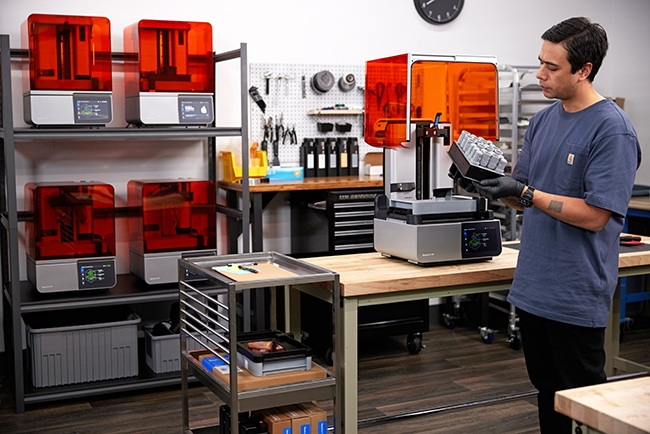
Before charging for prints, establish a pricing framework that reflects all costs and value factors. Key elements include:
- Material costs: filament, resin, powder, or other consumables. Track exact amounts used per job, including waste.
- Machine usage: depreciation, maintenance, electricity, and wear-and-tear. Consider hourly rates for each printer or a blended rate based on the most efficient asset for a given job.
- Labor: time spent on setup, part preparation, file preparation, post-processing, cleaning, curing, and packaging.
- Overhead: shop rent, utilities, software licenses, tools, safety equipment, insurance, and administrative costs.
- Post-processing and finishing: smoothing, painting, assembly, sanding, or coating.
- Tooling and fixturing: any dedicated jigs, supports, or molds required for production.
- Profit margin: the portion of revenue that ensures sustainable operations and growth.
- Value-based considerations: customer urgency, customization, design iterations, or engineering support.
There are several pricing approaches in the 3D printing space. Each model has advantages and is suitable for different types of projects.
- Charge an hourly rate for machine time and labor, plus material costs.
- Useful for complex parts, large prints, or jobs with uncertain duration.
- Pros: simple to apply, transparent for customers.
- Cons: may undervalue highly engineered or high-precision work; sensitive to inefficiencies.
- Price primarily by material used, with a fixed per-part handling fee.
- Pros: easy to explain, aligns with customer-visible costs.
- Cons: may undercharge for long print times or labor-intensive post-processing.
- Use brackets based on volume, print size, or complexity. For example, small parts at a lower rate, high-volume jobs at a discount.
- Pros: incentives for repeat customers, scalable.
- Cons: requires careful calibration to avoid margin erosion on large jobs.
- Price according to the customer's perceived value, time savings, or criticality of the part.
- Pros: highest potential margins; aligns with business value delivered.
- Cons: requires strong value articulation and negotiation skill; harder to standardize.
- Combine elements: base hourly rate with material costs and optional value-based fees for specialized services.
- Pros: balanced, protects margins while remaining customer-focused.
- Cons: more complex to quote; requires clear communication.
A practical costing approach combines fixed and variable costs to derive a per-part price.
- Printer-specific rate: assign an hourly rate reflecting depreciation, maintenance, and electricity for each machine.
- Labor rate: assign an hourly rate for setup, post-processing, and quality checks.
- Use slicer estimates and experienced judgment to forecast printing time per part, including supports removal and post-processing.
- Record filament weight, resin volume, or powder used. Include waste factors (e.g., 5-15% depending on part geometry and printer type).
- Estimate time and materials for sanding, curing, painting, plating, or assembly as applicable.
- Allocate a portion of fixed overhead to each job based on activity level or square footage of work area.
- Apply a profit margin aligned with business goals and market standards.
- Present a clear breakdown: part description, quantities, materials, machine time, labor, post-processing, overhead, tax/VAT, and total price.
- Include lead time, delivery method, and revision allowances.
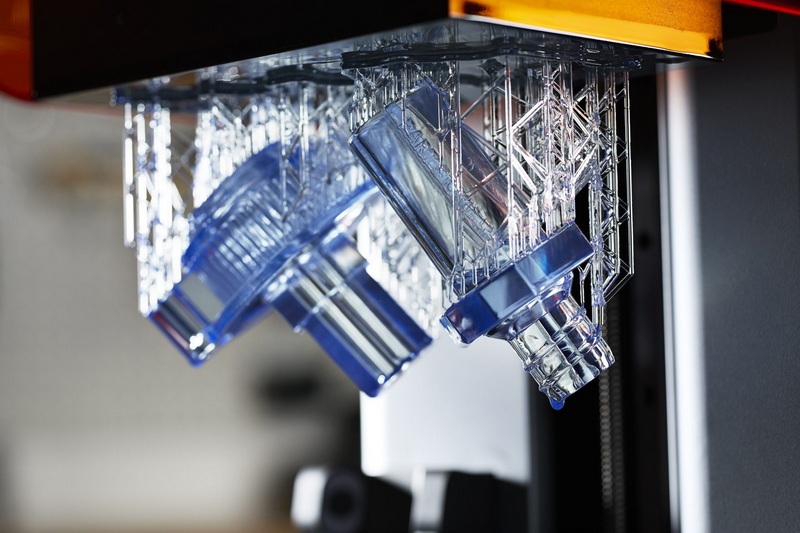
- Printer time: 2 hours
- Material: 50 g filament
- Labor: 1 hour for setup and inspection
- Finishing: none
- Overhead allocation: 10%
- Material cost: $0.25 per gram for filament
- Rates: machine $10/hour, labor $25/hour
- Calculation: machine time = 2h × $10 = $20; labor = 1h × $25 = $25; material = 50 g × $0.25 = $12.50; overhead = 10% of subtotals (machine+labor+material) = 0.10 × ($20+$25+$12.50) = $5.75; subtotal = $62.50; profit margin 20% of subtotal = $12.50; total price ≈ $75.00
- Printer time: 6 hours
- Material: 300 g resin
- Labor: 3 hours (assembly, inspection)
- Post-processing: 2 hours (curing, sanding)
- Finishing: painting, coating (materials included)
- Rates: printer $15/hour, labor $28/hour, finishing $20/hour
- Calculation: machine = 6×15 = $90; labor = 3×28 = $84; post-processing = 2×20 = $40; material = 300 g × $0.50 = $150; overhead 15% of subtotal (excluding taxes) = 0.15 × ($90+$84+$40+$150) = $52.50; subtotal = $416.50; profit 15% = $62.48; total price ≈ $478.98
Note: Adjust material costs to reflect your actual supplier prices and local taxes. For high-precision or medical-grade parts, adjust hourly rates and margins upward to reflect risk and compliance requirements.
- Risk management: Build in contingency for design changes, material shortages, or machine downtime. Maintain flexible pricing bands to accommodate unforeseen complexities.
- Quality assurance: For regulated sectors, emphasize traceability, certifications, and documented test results as part of the value proposition, which can justify higher pricing.
- Sustainability: If offering recycled or recyclable materials, include this as a differentiator and reflect any costs in pricing.
- Geographic pricing: Consider currency fluctuations and regional market conditions when serving international clients, possibly offering localized pricing.
- Intellectual property handling: If providing engineering input or optimization, clarify ownership, licensing, and usage rights in the contract to avoid disputes.
- Volume discounts: offer lower per-unit prices for larger quantities or repeat customers to incentivize ongoing work.
- Bundle pricing: package design review, file preparation, printing, removal, and post-processing at a single price.
- Rush fees: add a surcharge for expedited jobs or same-day turnaround to compensate for disruption.
- Design-for-print (DFP) services: charge for engineering input, printability assessment, and part modification recommendations.
- Be transparent: provide a detailed line-item quote with assumed tolerances, materials, and processes.
- Include assumptions: clearly state printer models, layer heights, infill, supports, and finish quality.
- Provide lead times: specify production time and delivery estimates to manage expectations.
- Show alternates: offer a conservative baseline option and a premium option to give customers choices.
- Document revisions: outline how many design iterations are included before additional fees apply.
- Track actuals: monitor time, material usage, and post-processing effort per job to refine future quotes.
- Standardize SKUs: create standard part profiles for common job types (e.g., "small enclosure in PLA, 0.2 mm layer height") to speed quoting.
- Manage utilization: align pricing with machine availability; price higher during peak demand to maximize throughput.
- Ensure quality and traceability: for regulated industries, implement quality controls, documentation, and part traceability to justify pricing and maintain compliance.
- Listen to customer priorities: whether speed, precision, or cost matters most, and tailor the quote accordingly.
- Justify value: explain how higher accuracy, stronger materials, or faster delivery justify price differences.
- Be flexible: offer a range of options (standard, performance, and premium) to accommodate different budgets.
- Include risk buffers: anticipate design changes, material shortages, or machine maintenance delays.
- Revisit pricing periodically: adjust for inflation, supplier price changes, and equipment upgrades.
- Review profitability by project type: identify which categories yield sustainable margins and which require process improvements.
Pricing 3D printing services blends cost visibility with value delivery. By breaking down costs into material, machine time, labor, and overhead, and by choosing an appropriate pricing model or hybrid approach, a shop can produce accurate, competitive quotes while safeguarding margins. Continuous data collection on actual job performance enables refinement of estimates and improvements in pricing over time. A transparent quotation that clearly communicates assumptions, timelines, and options helps build trust with clients and fosters repeat business.
- Answer: Material costs, machine time, labor, overhead, post-processing, finishing, and the value delivered to the customer (speed, precision, customization) all influence the price. Also consider volume, urgency, and any required certifications.
- Answer: Calculate depreciation, maintenance, utilities, and base wages for personnel. Assign an hourly rate per printer based on its capital cost and efficiency, then add a separate labor rate for setup, post-processing, and inspection.
- Answer: Material-based pricing works well for simple, uniform tasks with predictable print times. Time-based pricing is better for complex or variable-duration jobs where machine time and labor drive most costs.
- Answer: Implement a rush surcharge (e.g., 25-50%) and clearly state the turnaround impact. Communicate new lead times upfront and indicate any risk of delays due to expedited processing.
- Answer: Use tiered or hybrid pricing, offer bundles and volume discounts, standardize common part profiles, track actuals to refine estimates, and continuously optimize post-processing workflows to reduce labor time.


