From idea to market-ready product, our NPI solutions make every stage easier, faster. Discover How We Help

Views: 222 Author: Tomorrow Publish Time: 2025-12-17 Origin: Site


Content Menu
● Understanding the Basics of 3D Printing Costs
>> Machine Depreciation and Maintenance
>> Post-Processing and finishing
>> 5. Subscription or Membership Models
● Factors That Influence Final Pricing
>> Order Volume
>> Level of Detail and Surface Quality
● Psychological Aspects of Pricing
>> Anchoring and Tiered Options
>> Transparency
● Using Software Tools to Simplify Pricing
● Strategies to Stay Competitive
● Avoiding Common Pricing Mistakes
● Scaling Your 3D Printing Business
● FAQ
>> 1. What is the best way to price a 3D printing job?
>> 2. How can I estimate electricity and machine costs accurately?
>> 3. When should I raise my prices?
>> 4. Should I charge design fees separately?
>> 5. How do I handle bulk or repeat orders?
Pricing a 3D printing service is one of the most crucial decisions for any business owner in the additive manufacturing industry. The right pricing structure ensures sustainability, covers operational costs, and keeps customers satisfied while generating profit. However, finding the balance between affordability and profitability can be tricky, especially when factors like material variety, print quality, and production time can vary widely.
A well-structured pricing strategy communicates not only how much you charge but also the value of your skill, precision, and commitment. In this article, we will explore all the cost factors, pricing models, and strategies necessary to set a competitive yet profitable rate for your 3D printing service.
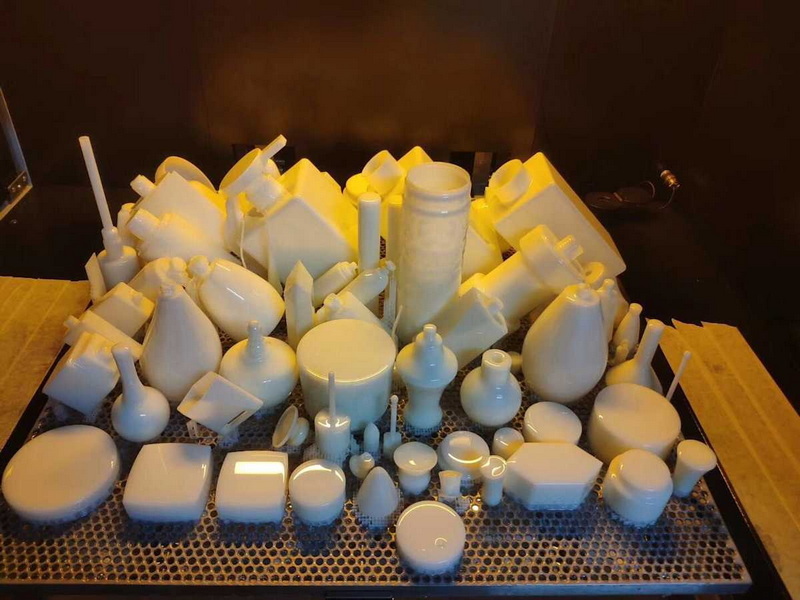
Before setting prices, it is essential to understand which factors influence your total cost. Each print job involves multiple elements — raw materials, equipment depreciation, electricity, labor, software licenses, and even packaging. Knowing your true cost per print will help you avoid undercharging or overpricing your services.
Material forms the foundation of all 3D printing costs. Depending on your printer type, you might use filaments, resins, or powders. Each has its own price range, measured per kilogram or liter. PLA is a widely used and affordable filament for general projects, while ABS, PETG, nylon, or resin materials often come at higher costs.
The best approach is to determine the cost per gram and multiply it by the total print weight, including waste and supports. Tracking material consumption accurately through slicing software allows you to quote clients more precisely.
Every hour your printer runs contributes to wear and tear. To account for depreciation, divide the cost of the machine by the total estimated print hours in its lifespan. For example, a $2,000 printer expected to run for 2,000 hours equates to $1 per hour in depreciation.
Don't overlook maintenance such as nozzle replacements, lubrication, or bed leveling. Build an additional hourly maintenance cost into your operating model. Preventive care reduces unexpected downtime, ensuring consistent quality and reliability.
3D printers can consume varying levels of power depending on their type and size. Resin printers often use more energy due to UV curing processes, while FDM printers are relatively light on power. Estimate each printer's wattage per hour and multiply it by your electricity rate to calculate energy cost per print. Including power use in your calculation might seem minor but adds accuracy to your final pricing.
Human input plays a major role. Operating machinery, slicing models, monitoring prints, and post-processing require time and expertise. Even a simple project might require several hours of attention, depending on complexity.
You should determine an internal hourly labor rate for your staff or yourself. This rate compensates for skill and time investment. When calculating project cost, multiply the total labor hours by this rate.
Many prints require finishing before they are client-ready. This step could include polishing, sanding, painting, coating, or assembly. The time and additional materials required here should be charged separately or factored into your per-job quotes. Clients appreciate transparency, and clear descriptions of what finishing adds to their final product help justify additional costs.
Don't forget the final step — getting the product safely into the customer's hands. Packaging materials, labeling, and potential shipping fees cost money and time. These factors are easy to overlook yet crucial for complete cost analysis.
Once your cost structure is mapped out, the next challenge is deciding how to present prices to customers. The method you choose shapes your business identity — whether as a budget-friendly option or a premium provider of highly detailed parts.
This model involves calculating the total production cost, then adding a markup to ensure profit. It's easy to implement and works well for small businesses starting out. If your total cost to produce an item is $25 and you apply a 40% markup, your selling price is $35.
The markup depends on industry standards and the complexity of your projects. 25–50% is a reasonable range for most small 3D printing businesses.
Some operators charge per hour of machine usage. For example, if your printer runs at $10/hour and a print takes six hours, the base price would be $60. Additional costs like post-processing or setup could then be added on top.
This model simplifies cost communication because clients can easily understand how longer jobs incur higher prices. It also encourages fast turnaround by rewarding efficiency.
Volume-based pricing ties directly to material usage rather than machine time. It's particularly effective for consistent, batch-produced parts. However, it may undervalue complex prints that require delicate calibration but use minimal material.
Under this approach, pricing depends on how much value the finished product delivers to the client rather than production cost alone. For example, a custom part saving a company thousands in machinery downtime could reasonably cost more than a decorative print of equal material weight.
This model requires confidence and strong client relationships but can significantly increase profit margins for specialized applications.
For recurring customers, such as design agencies or engineers frequently prototyping components, offering a subscription plan can create predictable income. Customers pay a flat monthly fee for a set number of printing hours or material volume, incentivizing loyalty and reducing administrative workload.

Many variables can affect your final pricing decision, even if you follow a formulaic approach.
Highly intricate designs increase both time and risk. A simple phone stand might take three hours to print, while a detailed architectural model can require twenty hours or more. Such jobs should include premium charges for supervision and precision.
Bulk orders can reduce per-part costs through shared setup time and efficient material use. Offering discounts for larger orders incentivizes repeat business, but ensure the discount doesn't cut too deep into profit margins.
Offering multiple material or color choices widens your market but complicates logistics. Exotic filaments like carbon-fiber-infused nylon or metal composites can cost 5–10 times more than standard plastic. Charge accordingly, including the additional handling and potential calibration time.
Fast delivery deserves higher pay. Same-day or overnight prints often require schedule adjustments or overtime labor. Adding a rush fee helps offset those costs while maintaining fairness for both you and the customer.
Different print resolutions change time and appearance. A fine-resolution setting increases print time significantly but yields smoother surfaces. Many professional clients are willing to pay extra for this level of refinement.
Beyond cost calculation lies the art of perception. Prices shape customer expectations, and how you present them can influence buying decisions.
Offering three-tier pricing (basic, standard, premium) allows customers to self-select according to their needs and budgets. Many will naturally gravitate toward the middle option, balancing perceived value and cost.
Clients appreciate detailed breakdowns. When they see how each element — material, time, finishing — contributes to the final price, they are more likely to perceive it as fair. Transparency builds trust and long-term relationships.
Occasional promotions or loyalty discounts can attract new clients or renew existing partnerships. Use them strategically to maintain profitability while boosting visibility.
A functional pricing formula for consistent estimation looks like this:
Price = (Material Cost + Labor Cost + Machine Cost + Overhead) * (1 + Profit Margin)
Example:
- Material cost: $12
- Labor: $8
- Machine depreciation and electricity: $6
- Overhead: $4
- Profit margin: 30%
(12 + 8 + 6 + 4) * 1.3 = $39
This formula produces a reliable base estimate. Adjust your profit margin for job urgency, size, or complexity.
Pricing automation can save hours of manual work. Modern platforms can calculate material use, print time, and finishing costs in seconds. Widely used tools include:
- Craftcloud by All3DP – Easy online calculator for multi-material pricing.
- 3D Hubs (now Protolabs Network) – Business-grade quoting engine integrated with CAD analysis.
- OctoPrint Plugins – For local, real-time print tracking with cost estimation.
Automated pricing reduces human error and provides instant quotes, enhancing customer experience.
Your pricing must adapt to market trends, technologies, and competitor behavior.
- Benchmark Regularly: Study market averages for similar services. Pricing transparency helps you identify where you stand.
- Improve Efficiency: Streamline workflows, upgrade equipment, and reduce print failures to lower production cost per item.
- Communicate Expertise: Customers often pay more for precision, reliability, and professional finishing. Highlight your expertise in technical design or specific materials.
- Offer Custom Solutions: Designing parts that solve real problems can justify higher prices. Value-added consultation can become a revenue stream itself.
- Customer Retention Programs: Reward repeat clients through loyalty discounts, priority queues, or bundled deals.
Many newcomers undercharge due to incomplete cost accounting or fear of losing clients. Avoid these pitfalls:
- Excluding setup time: Preparing slicing files and calibrating machines takes effort — bill for it.
- Not charging for design revision: Iterations cost time. Include a set number of free revisions, then charge per extra.
- Ignoring failed prints: Add a small contingency fee to cover inevitable print errors or restart costs.
- Neglecting marketing and overhead: Website hosting, software subscriptions, and workspace rent must factor into long-term pricing.
Addressing these errors ensures real profitability and prevents burnout or debt later on.
As your business grows, your pricing model may need revision to reflect higher professional standards or expanded services.
- Batch Processing: Introducing automated print farms allows multiple machines to run simultaneously, lowering cost per item.
- Partnership Pricing: Collaborate with engineers, architects, or artists who repeatedly require printing services, offering long-term package deals.
- Geographic Expansion: Adjust for regional market differences, considering shipping fees or local income levels.
- Premium Services: Introduce higher-end services like design consultation, 3D scanning, or assembly assistance to diversify income streams.
Every growth stage brings new opportunities for profit optimization.
Setting prices for 3D printing services demands both analytical skill and strategic intuition. The right pricing structure balances material costs, labor, time, and perceived value while ensuring steady growth. A transparent, well-calculated model not only secures fairness but also positions your brand as professional, trustworthy, and sustainable.
By mastering cost analysis, employing flexible models, and maintaining competitive awareness, you create a pricing system that evolves alongside technology and market trends — empowering your business to thrive in a rapidly growing industry.

The best approach is cost-plus pricing, where you calculate all production expenses and then add a profit margin. This ensures every project remains profitable.
Track total print hours monthly and divide energy bills accordingly. For machine depreciation, divide the purchase cost by total estimated lifespan hours to get a precise figure.
Revisit your pricing structure every 6–12 months, especially after new equipment investments, material cost increases, or noticeable shifts in market demand.
Yes. Custom design, modeling, or repair work are specialized services that deserve separate charges distinct from printing costs.
Offer tiered discounts based on quantity or recurring volume. Make sure the discount reflects production savings without compromising overall profit margins.


