From idea to market-ready product, our NPI solutions make every stage easier, faster. Discover How We Help

Views: 222 Author: Tomorrow Publish Time: 2025-11-28 Origin: Site
Content Menu
● Components of a CNC Milling Machine
● Step-by-Step Guide on How To Operate A CNC Milling Machine
>> Step 1: Prepare The Workspace
>> Step 2: Load And Secure The Workpiece
>> Step 3: Select And Install The Cutting Tools
>> Step 4: Set Up The Coordinate System
>> Step 5: Load The CNC Program
>> Step 6: Perform Dry Run Simulation
>> Step 8: Measure And Inspect The Finished Part
● CNC Milling Machine Programming Essentials
● Safety Practices When Operating CNC Milling Machines
● Troubleshooting Common CNC Milling Issues
● Maintenance of CNC Milling Machines
● FAQ About How To Operate A CNC Milling Machine
>> 1. What skills are needed to operate a CNC milling machine?
>> 2. How long is the typical learning curve?
>> 3. Can CNC machines mill different types of materials?
>> 4. What are the key safety precautions?
>> 5. How often should the machine be serviced?
Operating a CNC milling machine involves understanding the full workflow from machine setup to part inspection. This guide provides detailed steps, component knowledge, safety protocols, and tips for troubleshooting to help both beginners and professionals master CNC milling.
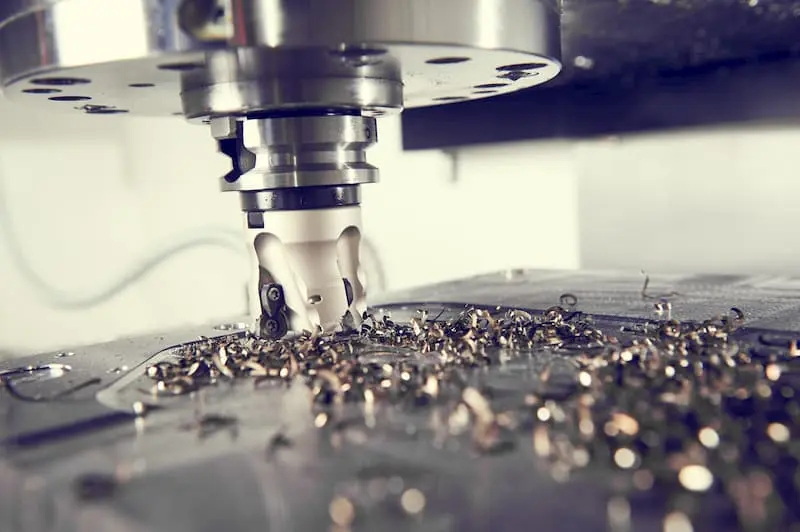
CNC milling is a computer-controlled machining process that removes material from a workpiece to create parts with high precision. Using CAD designs and CAM-generated programs, CNC machines follow coded instructions to cut materials such as metal, plastic, or composite. This method is vital in industries requiring tight tolerances and complex geometries like aerospace, automotive, and medical devices.
Essential parts of a CNC milling machine include:
- Frame/Base: Provides the rigid foundation for stability during milling.
- Spindle: Holds and rotates cutting tools at variable speeds.
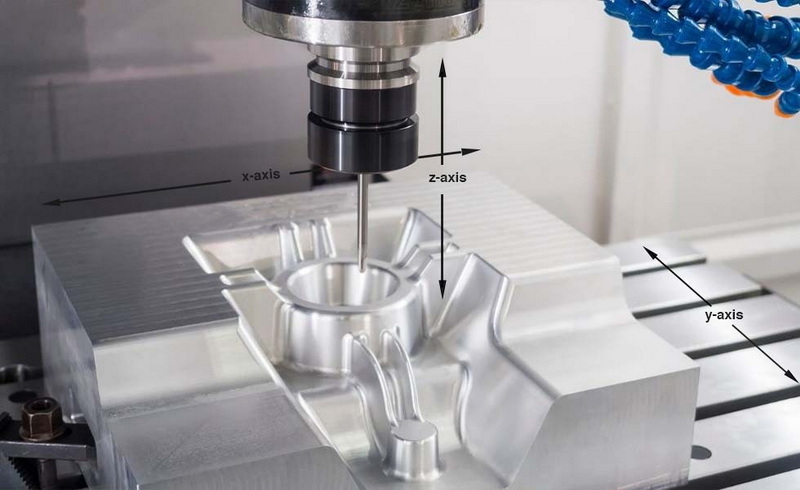
- Worktable: Secures the workpiece for milling; moves along X, Y, and sometimes Z axes.
- Control Panel: Interface for operators to input programs and monitor operations.
- Tool Changer: Automatically swaps cutting tools for efficiency.
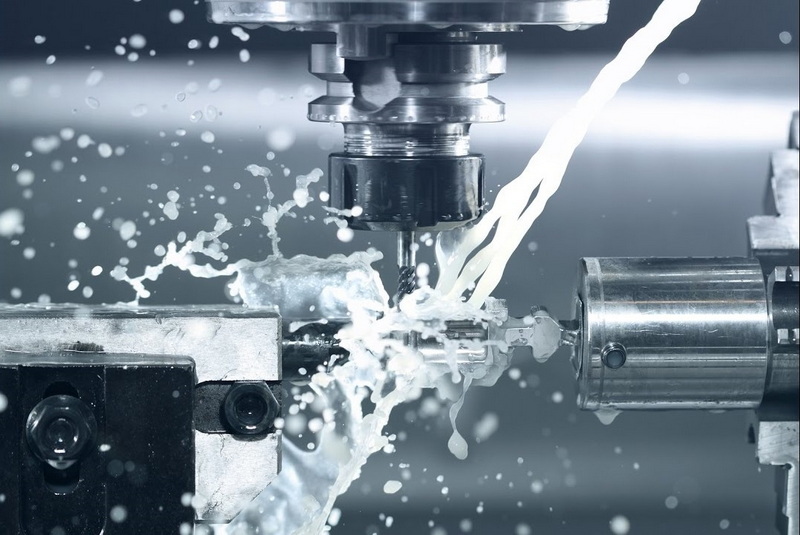
- Coolant System: Cools tools and workpieces to prevent overheating and prolong tool life.
Advanced machines may have additional components such as multiple spindles or rotary axes for more complex machining.
The operator should ensure the machine is clean and calibrated. Safety equipment like goggles and gloves is necessary. Remove all debris and confirm that the proper tools and fixtures are available.
Mount the raw material securely on the worktable using vises, clamps, or custom fixtures to eliminate movement or vibration during cutting. Proper alignment is critical to achieving dimensional accuracy in the final part.
Choose milling cutters or end mills suitable for the specific operation and material. Insert the tool firmly into the spindle using the tool holder and tighten to avoid slippage. The right tool geometry and coating are crucial for good surface finish and tool longevity.
Use the machine's control panel to establish work offsets, typically with the G54-G59 work coordinate systems. Calibrate the zero points by touching off the tool on the workpiece surface or a probe sensor to define the starting position in X, Y, and Z axes.
Transfer the CAM-generated program containing the toolpath and machining parameters to the machine. Review the G-code commands for feed rates, spindle speeds, and tool change instructions, ensuring they match the setup.
Run the machine without engaging the cutting tool to check for any programming errors or potential collisions. This step verifies the toolpath and assures safe machine operation before actual cutting.
Initiate the milling program with the cutting tool spinning at the programmed speed. Monitor the cutting process continuously, paying attention to vibrations, noises, and coolant flow. Adjust conditions if necessary to maintain quality and prevent tool or workpiece damage.
Use precision measuring instruments such as calipers, micrometers, or coordinate measuring machines (CMM) to verify dimensions and tolerances of the machined part. Surface finish and geometric accuracy should correspond to the project requirements. Make adjustments in tool offsets or program parameters as needed for final production runs.
CNC programming revolves around G-codes and M-codes to direct machine tasks:
- G-codes: Control tool movement (e.g., G00 rapid positioning, G01 linear feed, G02/G03 circular arcs).
- M-codes: Manage auxiliary functions (e.g., M03 spindle on clockwise, M05 spindle stop, M08 coolant on).
Operators should be comfortable reading and modifying these codes to optimize machining efficiency and correct errors quickly.
- Always wear protective gear like safety glasses and gloves.
- Do not reach inside the machine when it is running.
- Check emergency stops before machining.
- Keep loose clothing and jewelry away from moving parts.
- Maintain a clean, well-lit workspace.
- Follow manufacturer maintenance schedules.
Strict adherence to safety protocols prevents injuries and machine damage.
- Tool wear or breakage: Ensure proper cutting speed, feed, and coolant application.
- Poor surface finish or inaccuracies: Recheck tool offsets and workpiece setup.
- Machine vibrations: Use short tool overhangs and robust clamping.
- Communication errors: Verify correct program loading and controller settings.
Timely troubleshooting reduces downtime and improves part quality.
Regular maintenance includes:
- Cleaning and lubricating guide rails and ball screws.
- Checking spindle alignment and tool holders.
- Inspecting electrical connections and safety features.
- Changing coolant and cleaning tanks.
Consistent upkeep minimizes breakdowns and maintains machining precision.
- Delivers high precision and repeatability across production runs.
- Handles complex part geometries with multiple axes of motion.
- Reduces human error and increases process automation.
- Versatile for different materials and surface finishes.
These benefits make CNC milling an integral process in modern manufacturing.
Learning how to operate a CNC milling machine is essential for achieving high-quality results in modern manufacturing. Successful operation involves mastering machine setup, programming skills, safety measures, and maintenance routines. By following systematic steps and monitoring each stage, operators can maximize precision, productivity, and profitability.
Basic math, blueprint reading, knowledge of machining principles, programming skills for G-code, and understanding machine components are required.
With proper training, operators can become proficient within six months to a year depending on prior experience.
Yes, with proper tooling and parameters, metals, plastics, wood, and composites can all be machined.
Always wear PPE, ensure emergency stops work, avoid loose clothing, and maintain a clean workspace.
Daily cleaning and lubrication, with thorough maintenance monthly or quarterly, depend on usage frequency.
[1](https://www.speedtigertools.com/solution/ins.php?index_id=107)
[2](https://nomura-ds.com/blog/what-is-cnc-milling)
[3](https://www.makerverse.com/resources/cnc-machining-guides/cnc-milling-everything-you-need-to-know/)
[4](https://fractory.com/cnc-milling/)
[5](https://www.fictiv.com/articles/cnc-milling-explained)
[6](https://www.uti.edu/blog/cnc/milling)
[7](https://www.cnccookbook.com/cnc-machine-setup-setting-procedure-lathe-milling/)
[8](https://gab.wallawalla.edu/~ralph.stirling/classes/engr480/examples/nvx/NVX/Helpful%20Docs/CNC_Machining_The_Complete_Engineering_Guide.pdf)
[9](https://www.camaster.com/cnc-machine-setup-101-a-beginners-guide-in-2024/)
[10](https://www.youtube.com/watch?v=cj0-wSGGe6g)


