From idea to market-ready product, our NPI solutions make every stage easier, faster. Discover How We Help

Views: 222 Author: Tomorrow Publish Time: 2026-01-22 Origin: Site
Content Menu
● Understanding CNC Milling Workholding
● Common Challenges in Workholding Metal
● Methods of Holding Metal for CNC Milling
>> 3. Custom Fixtures and Jigs
>> 4. Magnetic Workholding Systems
>> 6. Collet Chucks and Mandrels
>> 7. Adhesive and Tape Workholding
>> 8. Modular and Zero-Point Systems
● Best Practices for Workholding in CNC Milling
● Factors to Consider When Choosing Workholding
● Advanced Workholding Technologies
● Maintenance of Workholding Equipment
● FAQ
>> 1. What is the most common workholding device used in CNC Milling?
>> 2. Can aluminum be held using magnetic fixtures?
>> 3. How can I minimize vibration during CNC Milling?
>> 4. Are vacuum tables reliable for steel machining?
>> 5. What is the best method for complex or 5-axis machining?
Holding metal securely during CNC Milling operations is one of the most critical steps in precision machining. The way you fix and position the material directly affects accuracy, surface finish, and tool longevity. Poor clamping not only causes vibration or tool breakage but also leads to dimensional errors, misalignment, and poor-quality parts.
In modern manufacturing, the art of holding metal in place goes far beyond simple mechanical clamping. It combines physics, precision engineering, and innovative design to ensure each cut is repeatable and efficient. Understanding the proper workholding techniques ensures consistent, high-quality results — whether in prototyping, mass production, or toolmaking.
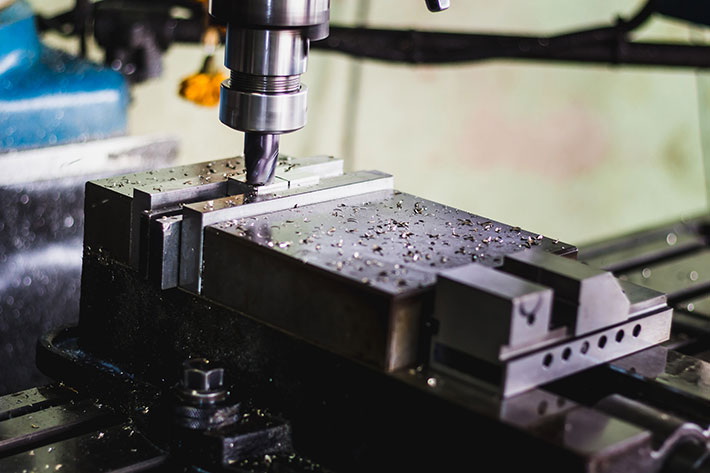
In CNC Milling, the workpiece must remain completely stationary while the cutting tool rotates and moves along multiple axes to remove material. The process involves high-speed rotation and cutting forces, making stability essential. Even a small displacement of a few microns can result in uneven surfaces or scrapped parts.
Workholding devices are engineered to provide controlled clamping pressure, alignment, and vibration damping. They must also allow easy access for the cutting tool from multiple directions while maintaining rigidity. Selecting the right workholding system depends on factors such as part geometry, material hardness, surface finish requirements, and machining direction.
Securing metal parts for CNC Milling can involve several complications. The most common include:
- Insufficient clamping strength, leading to vibrations that reduce precision and tool life.
- Overtightening, which can deform thin sections or warp flat plates.
- Tool access interference, where clamps or jaws obstruct the milling path.
- Difficulties in setup time, especially when handling custom workpieces.
- Thermal expansion, which causes minor shifts in position during long cutting cycles.
Each of these challenges highlights the need for suitable hardware, proper planning, and careful inspection during setup.
There are various reliable methods for securing metal workpieces during CNC Milling, and the right choice depends on the shape, weight, and production needs.
Machine vises remain the most widely used workholding tools in CNC Milling. They can clamp rectangular, prismatic, or flat parts with great repeatability. High-precision vises feature ground base surfaces and adjustable jaws for quick alignment.
Best practices for using vises:
- Place parallels beneath the part to maintain even height and prevent material movement.
- Use soft jaws to avoid damaging finished surfaces.
- Ensure there are no chips or burrs under the part.
- Apply consistent torque to distribute pressure evenly.
- Periodically check jaw alignment using a dial indicator.
For high-volume production, multiple vises can be mounted on the table to allow simultaneous machining of several identical parts.
Clamps and step blocks are among the most flexible workholding systems for CNC Milling. They can adapt to different geometries and sizes without the need for custom tooling. A step block set allows height adjustment, while clamps anchor the part from the sides or top.
This method works well for large plates, irregular components, or prototype parts that don't fit into a standard vise. However, operators must carefully position clamps to avoid tool collision and maintain accessibility for all required cutting passes.
Custom fixtures are designed to streamline production by offering precise, repeatable part placement. In CNC Milling, a well-designed fixture can hold multiple parts, simplify setup, and eliminate the need for repeated alignment.
Key benefits of using fixtures:
- Reduced setup time between cycles.
- Improved dimensional accuracy.
- Better toolpath consistency in high-production runs.
- Ability to machine multiple sides in one operation.
Though fixtures require upfront cost and engineering time, they offer exceptional long-term efficiency for mass-production machining, aerospace components, or automotive precision parts.
Magnetic plates use electromagnetic or permanent magnet systems to hold ferrous metal workpieces securely. The magnetic grip distributes force evenly, allowing the mill to cut across large surfaces without obstruction from clamps.
Advantages include:
- Quick setup and release.
- Even pressure without mechanical distortion.
- Ideal for finishing operations and thin-steel components.
However, because magnetic systems only work on materials like carbon steel or iron, they are unsuitable for non-ferrous metals such as aluminum, brass, or titanium.
Vacuum tables use powerful suction to hold non-ferrous or delicate workpieces in place during CNC Milling. They are especially effective for thin aluminum plates, composite panels, and parts requiring smooth undersurfaces.
Tips for using vacuum tables:
- Always check gasket seals for air leaks.
- Ensure vacuum pressure remains stable throughout machining.
- Minimize tool cutting forces to avoid pulling the part free.
- Combine with mechanical supports if possible for added stability.
Vacuum systems provide uniform clamping, making them ideal for finishing, engraving, and contour cutting operations.
When working with cylindrical shapes or bar materials, collet chucks and mandrels ensure concentric clamping. The collet compresses evenly around the bar or tube, keeping the part centered and preventing slippage during rotation.
Mandrels work the opposite way — they expand from the inside of a hollow part to hold it securely from within. This internal grip is highly effective for precision turning, finishing bores, or secondary CNC Milling operations on circular components.
For ultra-thin or miniature components, double-sided tapes and engineering adhesives can temporarily hold materials in CNC Milling operations. This method minimizes deformation and provides full access to the top face of the workpiece.
It's important to choose heat-resistant adhesives designed for machining environments and ensure proper cleaning after removal to maintain part quality.
Modern CNC shops often use modular fixtures or zero-point clamping systems, which allow quick swap-out of parts or setups with micron-level repeatability. These precision pallets use mechanical or hydraulic locking pins to “click” fixtures into the same reference position repeatedly.
Such systems reduce downtime and are excellent for multi-machine or robotic manufacturing environments.
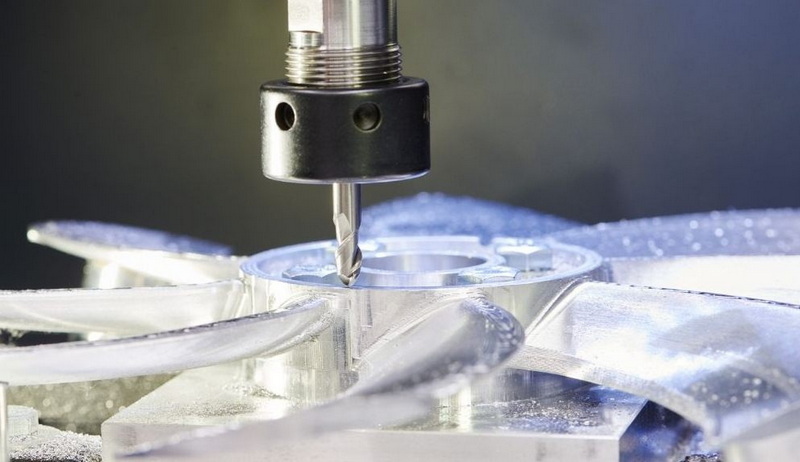
Workholding is more than just securing the part — it's about ensuring accuracy, safety, and workflow efficiency.
Top best practices include:
1. Cleanliness: Always remove chips, coolant residue, or burrs before mounting parts.
2. Balance pressure: Apply just enough force to hold the part without distortion.
3. Inspect alignment: Use edge finders or dial test indicators to verify squareness.
4. Plan tool access: Position clamps to allow uninterrupted cutter movement.
5. Verify stability: Test clamping with light cuts before full-depth passes.
6. Monitor wear: Regularly inspect fixture components and replace worn jaws or bolts.
Following these guidelines helps maintain consistent results, extends tool life, and prevents rework.
Selecting the correct method to hold metal for CNC Milling depends on several key variables:
- Material properties: Hardness, magnetism, and weight affect holding choice.
- Geometry: Cylindrical parts need chucks; flat plates need vises or vacuum tables.
- Production volume: High-volume production benefits from dedicated fixtures.
- Machine type: Vertical mills differ from horizontal or 5-axis setups in accessibility.
- Toolpath complexity: Consider reach, clearance, and number of sides to machine.
- Tolerance requirements: High-precision machining needs rigid, vibration-free fixation.
Balancing these criteria ensures optimum efficiency and part quality in every project.
Safe workholding is non-negotiable in CNC Milling. A loose or unstable workpiece can cause tool crashes, scrap material, or even serious injury.
Always double-check that clamps are tight, fixtures are secure, and parts cannot move when the spindle starts. Avoid overhanging parts and ensure cutting forces are directed downward or toward fixed supports.
High-speed CNC machines should use built-in interlocks and sensors that detect fixture errors or part misplacement before cutting begins. Operator awareness and preventive inspection remain the best ways to ensure workplace safety.
As CNC Milling continues to evolve, so do workholding innovations. Advanced systems now integrate sensors and automation for more efficient production:
- Hydraulic and pneumatic clamping systems reduce manual setup time and ensure constant pressure.
- Smart fixtures use built-in force sensors to measure clamping load during operation.
- Zero-point clamping pallets allow fast part changeovers with precision alignment.
- 5-axis vises hold parts securely while allowing tool access from multiple directions.
- Digital twin simulation helps verify fixture design before physical production.
By integrating these smart technologies, manufacturers can achieve higher throughput and reduce downtime while maintaining absolute machining precision.
Even experienced machinists sometimes overlook crucial details when setting up workholding for CNC Milling. Common errors include:
- Relying solely on visual alignment instead of using precise measurement tools.
- Ignoring material deflection under clamping pressure.
- Using worn or mismatched bolts and washers.
- Skipping test runs before full production cuts.
- Failing to recheck alignment after tool changes.
Avoiding these pitfalls is essential for maintaining consistency and preventing premature fixture wear.
Proper maintenance extends the life and accuracy of your CNC Milling setup. After each use, clean your vises, clamps, and fixtures with compressed air and apply a light protective lubricant to prevent rust.
Regularly inspect threads, pads, and jaws for damage or burrs. Replace or regrind worn components when needed. Periodic calibration of magnetic plates or zero-point systems ensures precise alignment and optimal clamping pressure in every operation.
Effective workholding is the foundation of every successful CNC Milling process. Whether using a precision vise, vacuum system, magnetic table, or custom fixture, securing the metal correctly ensures dimensional accuracy, tool longevity, and safe operation.
By choosing the right technique for each job, maintaining clean surfaces, and adhering to best practices, machinists can achieve repeatable success in both small-scale and industrial environments. As technology evolves, integrating smart fixtures, automation, and advanced materials will only enhance the precision and speed of CNC Milling — strengthening its role as a key manufacturing process worldwide.
Contact us to get more information!
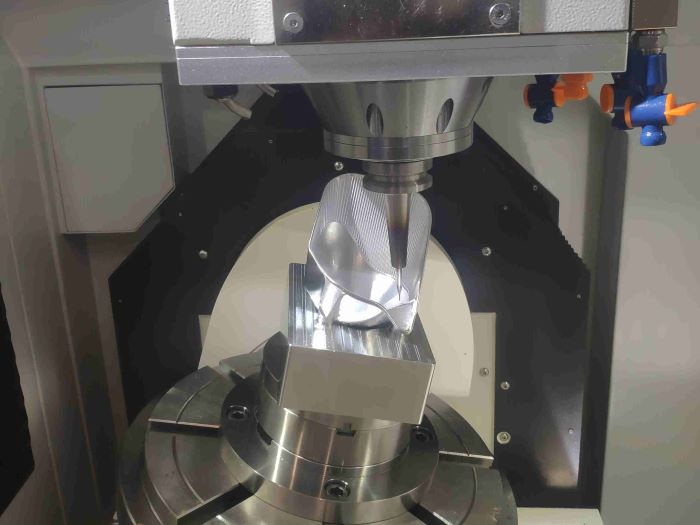
The machine vise is the most common tool for securing metal in CNC Milling. It provides stability, accuracy, and quick setup for rectangular or prismatic parts.
No. Magnetic fixtures are effective only for ferromagnetic materials like steel and iron. Non-ferrous metals such as aluminum or copper require vacuum tables, vises, or clamps.
Ensure the part is flush against the support surface, evenly distribute clamping pressure, and use dull-resistant tooling or vibration-damping pads under the workpiece.
Vacuum tables generally perform best with lightweight metals like aluminum. Steel parts are too heavy and less responsive to suction, making mechanical clamping a better option.
For multi-surface or 5-axis machining, modular fixtures or zero-point clamping systems are ideal. They allow full tool access and repeatable precision between setups.
1. https://www.mmsonline.com/articles/workholding-for-cnc-milling
2. https://www.cnccookbook.com/workholding-solutions/
3. https://www.haascnc.com/resources/workholding-basics.html
4. https://www.engineersedge.com/manufacturing/workholding.htm
5. https://www.americancnc.com/blog/cnc-milling-tips/


