From idea to market-ready product, our NPI solutions make every stage easier, faster. Discover How We Help

Views: 222 Author: Tomorrow Publish Time: 2025-12-09 Origin: Site


Content Menu
● Understanding What CNC Machining Work Involves
● 1: Identify and Research Your Target Market
● 2: Build an Impressive Digital Presence
● 3: Build Strong Industry Networks
● 4: Register with Online Marketplaces and Job Boards
● 5: Quote Smartly — Details, Accuracy, and Transparency
● 6: Provide Design and Prototyping Assistance
● 7: Emphasize Quality, Certification, and Documentation
● 8: Build Partnerships Instead of One-Time Jobs
● 9: Showcase Real-World Case Studies and Reviews
● 10: Stay Competitive Through Technology Investment
● 11: Strengthen Customer Communication
● 13: Adhere to Timeline Discipline
● 14: Continue Education and Skill Development
● 15: Leverage Content Marketing to Demonstrate Expertise
● 16: Expand Globally Through E-Commerce and Export Channels
● FAQ
>> 1. What industries demand the most CNC machining work?
>> 2. How can a new CNC business find its first clients?
>> 3. Why are certifications important in CNC work?
>> 4. What marketing techniques work best for CNC businesses?
>> 5. How can small CNC shops stay competitive?
CNC machining is the backbone of modern manufacturing, creating precise, durable, and complex parts across industries like aerospace, automotive, electronics, medical, and consumer goods. As global demand for custom and precision parts grows, the competition among CNC workshops intensifies. To thrive, a CNC business or independent machinist must know not only how to produce exceptional work but also how to consistently find clients and secure profitable contracts.
This comprehensive guide explores practical strategies to help CNC machining professionals attract clients, build credibility, and develop long-term partnerships. From marketing and quoting to customer retention and technology adoption, every section below contributes to building a sustainable CNC machining business.

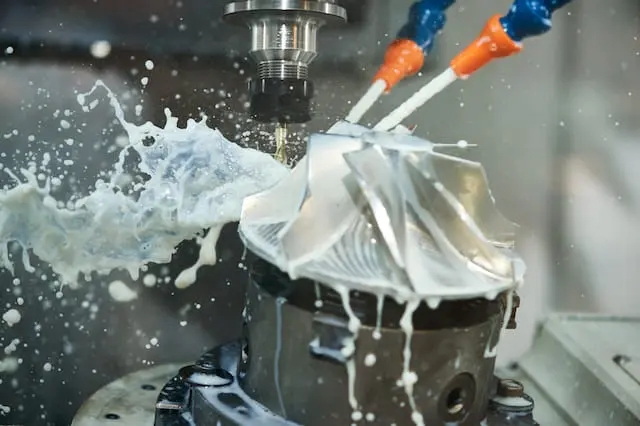
CNC machining work refers to projects that require computer numerical control machines to shape raw materials, such as aluminum, stainless steel, titanium, or engineering plastics, into finished components. These parts often demand tight tolerances, exact specifications, and smooth surface finishes.
Clients request CNC work for various reasons:
- Prototyping: Creating one-off parts for testing new designs.
- Production runs: Manufacturing components in batches.
- Tooling: Producing molds, dies, or custom jigs.
- Repair and replacement: Re-machining or upgrading worn-out machine parts.
Understanding client expectations helps you position your services effectively. For instance, aerospace clients prioritize certification and precision reporting, while startups might focus on pricing and turnaround time.
Every successful CNC business starts with knowing its ideal client base. Rather than serving everyone, narrowing your focus will help you market more efficiently. Consider exploring:
- Automotive manufacturing: Producing engine parts, housings, or custom aluminum brackets.
- Aerospace and defense: Precision titanium and high-strength alloys for aircraft and drones.
- Medical devices: High-tolerance machining of stainless steel and plastics for surgery tools.
- Consumer electronics: Cases, housings, and heatsinks for modern devices.
- Tooling and molds: For injection molding or metal forming industries.
Analyze potential customers' challenges and purchasing behaviors. Identify where they source machining services and what their priorities are — quality, lead time, or cost. Tailoring your services for each niche raises your probability of winning bids.
A strong online presence can generate consistent work leads. Potential clients usually start their search on Google or LinkedIn long before picking up the phone.
Here's how to make your digital presence work for you:
- Professional Website: Display capabilities, materials handled, and project examples. Emphasize tolerances, surface finishes, and machine types (like 3-axis or 5-axis). Include a simple, secure RFQ submission form.
- SEO Practices: Use keywords such as “CNC milling services,” “precision turning,” and “custom machining suppliers.” Publish educational articles related to machining design or material optimization.
- Google Business Profile: Helps local customers find your workshop easily. Add high-quality shop photos and contact details.
- Social Media Marketing: Post regular LinkedIn updates, before-and-after machining photos, or short videos demonstrating precision or efficiency.
- Industry Platforms: Join platforms like ThomasNet, MFG.com, and Xometry to receive direct requests and RFQs from buyers.
Digital credibility often forms a first impression. A clean, informative, and trustworthy presentation sets your CNC business apart from competitors who rely solely on word-of-mouth.
Networking remains one of the oldest yet most effective strategies for growing a machining business. Attending manufacturing trade fairs or technical conferences allows you to meet engineers, part designers, and procurement managers directly.
Focus on:
- Building one-on-one relationships rather than hard selling.
- Carrying well-prepared business cards, brochures, or small sample parts.
- Offering consultation — answering questions about materials, tolerances, or finishes.
Besides physical events, online communities such as LinkedIn groups, Reddit's r/Machinists, and specialized industry forums help exchange ideas and connect globally. Participate by posting useful answers and discussing machining challenges. Over time, your expertise will attract inbound inquiries.
Digital manufacturing marketplaces make it easier to find CNC machining work without a full sales department. Sites such as:
- Xometry
- Hubs
- Protolabs
- Fictiv
- Alibaba Manufacturing Hub
These platforms connect buyers looking for immediate machining services with verified suppliers. After registering:
1. Set up a strong supplier profile with photos, machine lists, and certifications.
2. Regularly check open job listings and submit prompt, accurate quotes.
3. Maintain a high fulfillment rate — positive reviews increase future job awards.
Over time, repeated collaborations with certain buyers can evolve into ongoing business relationships.
Your quotation determines whether potential clients choose you. A strong proposal reflects not just the cost but also professionalism, understanding, and reliability.
Key steps for a winning quote:
- Break down pricing into labor, material, and overhead costs.
- Include expected lead times and delivery options.
- State tolerances, revision allowances, and inspection processes.
- Offer design suggestions if improvements can reduce machining complexity.
- Present the quote neatly in a branded document or email.
Being transparent helps build trust. Clients appreciate vendors who explain their rationale instead of hiding costs.
One way to stand out among CNC suppliers is by supporting customers through the design phase. Early engagement demonstrates your expertise and builds confidence.
Offer Design for Manufacturability (DFM) feedback — suggestions to simplify designs, reduce tool changes, or optimize material use. This collaboration turns one-time orders into repeat partnerships.
Adding rapid prototyping services using CNC combined with 3D printing can help engineers test and validate designs before full production orders. That agility improves project flow and fosters loyalty.
In machining work, reputation is built on precision and reliability. Implementing a solid Quality Management System (QMS) ensures consistent output and process control.
Consider certifications such as:
- ISO 9001: For general manufacturing quality management.
- AS9100: Required by aerospace industry clients.
- ISO 13485: For medical device manufacturing.
Adopt statistical process control (SPC) and use inspection tools such as a Coordinate Measuring Machine (CMM) to validate accuracy. Maintain traceable documentation from raw material certificates to final inspection reports.
Clients value shops that guarantee accuracy, because they minimize the risk of project delays and compliance issues.
Long-term relationships secure financial stability better than constantly chasing new contracts. Focus on collaborative partnerships where clients consider you a technical resource, not just a supplier.
Ways to build lasting partnerships:
- Deliver consistent quality and on-time performance.
- Cooperate on design refinements or process optimizations.
- Offer volume discounts or incentive pricing for repeat business.
- Communicate openly about delivery schedules and challenges.
Another approach is B2B subcontracting — partnering with design, fabrication, or assembly companies that regularly need machined parts. Subcontracting creates recurring work without extensive marketing efforts.
Social proof has immense value in B2B manufacturing. Publish client success stories on your website. For example, show how your CNC expertise helped a robotics company reduce lead time by 30%, or enabled a medical startup to turn around a prototype within 48 hours.
Always include measurable results — part precision, reduced scrap rate, or productivity improvement. Add testimonials with client permission. These stories illustrate credibility beyond claims and directly influence potential clients researching your services.
Technology evolves rapidly. Upgrading your machinery and software keeps you competitive and efficient. If your equipment is outdated, consider transitioning toward modern solutions like:
- 5-axis machining centers for complex geometries.
- CAM programming software such as Mastercam or Fusion 360.
- Automated tool changers, robotic loading systems, and IoT monitoring for smarter production.
Also, digitize your workflows using ERP systems to manage scheduling, inventory, and traceability. Adopting innovation helps maintain production consistency and attract clients requiring advanced capabilities.
Transparent and regular communication is as important as machining skill. Update clients on production progress weekly or at key milestones. Promptly notify them if any issue might impact delivery.
Tips for better communication:
- Use email, project dashboards, or client portals for updates.
- Keep RFQ responses within 24 hours.
- Provide technical clarifications quickly when drawings are unclear.
- Follow up after delivery to ensure satisfaction.
Good communication fosters loyalty. Satisfied clients often share referrals or introduce new projects.
Pricing can determine whether you win or lose a job, but cutting prices too low can lead to unsustainable operations. Conduct careful cost analysis considering:
- Tool wear and replacement.
- Material fluctuations.
- Machine setup and downtime.
- Labor and energy costs.
Benchmark your rates against competitors while ensuring profitability. Transparent quotations and flexible pricing models (per piece, hourly, or project-based) provide flexibility and trust. Remember, consistent service quality justifies a premium over bargain prices.
Timeliness is one of the strongest differentiators in CNC business. Clients often operate under strict deadlines. A single late job can cause supply chain disruptions.
Use production scheduling tools to:
- Prioritize jobs by due date and complexity.
- Plan preventive maintenance to avoid downtime.
- Track job progress digitally.
Delivering on time every time builds an image of dependability that clients value even more than low cost.
Machining technology never stands still. Encourage your team to engage in continuous learning:
- Take online courses in advanced CAD/CAM programming.
- Attend seminars on material science or tooling strategies.
- Cross-train machinists to operate different machines efficiently.
The better trained your team, the more complex and high-value projects you can handle. This eventually translates into more profitable work contracts.
Position yourself as an authority in machining by sharing educational content. Write blogs, post videos, or share newsletters about:
- Tips for design optimization.
- Material selection insights.
- Surface finishing techniques.
- Case studies or customer success projects.
Valuable content attracts organic web traffic and builds trust with engineering teams searching for knowledgeable suppliers. Content marketing is a long-term visibility strategy that keeps generating leads cost-effectively.
If your CNC shop has mastered local markets, consider expanding internationally. Many countries seek reliable and precise machining partners.
To export effectively:
- Understand international tolerance and documentation standards.
- Offer quotations in multiple currencies.
- Partner with logistics providers experienced in shipping machined components.
- Advertise on global trade websites targeting manufacturing buyers.
Diversifying geographically protects the business from domestic market fluctuations.
Getting CNC machining work consistently is not just about owning machines—it's about building a strong ecosystem of expertise, relationships, and reputation. Combining technical mastery with business strategy forms the foundation for continued success.
Focus on understanding client needs, maintaining outstanding quality, using effective marketing, and investing in innovation. Over time, the combination of precision performance, reliable communication, and professional branding will naturally attract ongoing, high-value CNC contracts. Sustained excellence—not one-time sales—is what distinguishes leading machining shops from the rest.
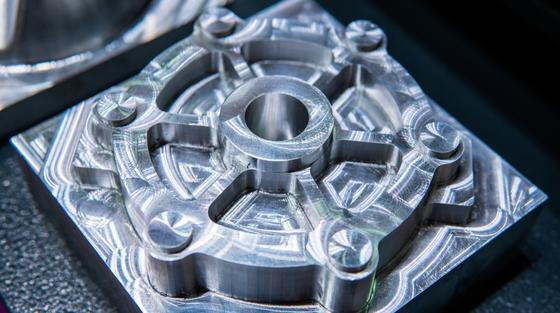
The aerospace, automotive, defense, robotics, and medical industries rely heavily on CNC machining for precision components requiring reliability and tolerance accuracy.
Start by developing a strong online presence, listing on manufacturing platforms, networking at trade events, and offering small prototype services to local engineering firms to build a reputation.
Certifications like ISO 9001, AS9100, or IATF 16949 ensure you maintain quality standards, giving large manufacturers confidence in your consistency and reliability.
The best strategies include SEO, case studies, video demonstrations, professional networking, and posting educational machining content online to prove expertise.
Smaller shops can compete effectively by being faster, more flexible, and providing personal attention. They excel when offering specialized niche machining or prototyping services that big firms overlook.


