From idea to market-ready product, our NPI solutions make every stage easier, faster. Discover How We Help

Views: 222 Author: Tomorrow Publish Time: 2026-01-19 Origin: Site


Content Menu
● What Is Cutting Speed in CNC Milling?
● Basic Cutting Speed Formulas
● How To Calculate Cutting Speed Step by Step
● Converting Between Cutting Speed and Spindle Speed
● Typical Cutting Speed Ranges for Common Materials
● Using Cutting Speed in CNC Programming and Setup
● Practical Tips for Choosing Cutting Speed
● Common Mistakes When Calculating Cutting Speed
● How Cutting Speed Relates to Tool Life and Surface Finish
● FAQ About Calculating Cutting Speed for CNC Milling
>> 1. How do you calculate cutting speed in CNC milling?
>> 2. What is the difference between cutting speed and spindle speed?
>> 3. How do material and tool type affect cutting speed?
>> 4. Can cutting speed be too high or too low?
>> 5. How should cutting speed be adjusted when machine limits are reached?
Knowing how to calculate cutting speed for CNC milling is essential for tool life, surface finish, and productivity. Cutting speed links spindle speed, tool diameter, and work material, so understanding the formulas lets programmers and operators choose safe and efficient parameters for any job.

Cutting speed is the tangential velocity at the outer edge of the rotating tool where it engages the workpiece. It is usually expressed in surface feet per minute in imperial systems or meters per minute in metric systems and is a core part of the speeds and feeds concept.
Cutting speed depends mainly on the workpiece material, tool material, coating, and coolant conditions. Selecting an appropriate cutting speed helps balance tool wear, cycle time, and surface finish in CNC milling.
In milling, cutting speed can be calculated directly from spindle speed and cutter diameter using standard equations. These formulas come in slightly different forms for metric and imperial units but all describe the same physical relationship between rotational speed and surface speed.
- Metric cutting speed formula for milling:
Vc=π×D×n/1000
where Vc is cutting speed in m/min, D is cutter diameter in mm, and n is spindle speed in rpm.
- Imperial cutting speed formula for milling:
Vc=π×D×n/12
where Vc is cutting speed in surface feet per minute, D is cutter diameter in inches, andn is spindle speed in rpm.
Some machinists use rearranged versions of these equations, for example expressing rpm directly as a function of cutting speed and diameter, but the underlying relationship is identical.
To calculate cutting speed for CNC milling in practice, start from either known spindle speed and cutter diameter or from recommended cutting speed and tool dimensions. Following a clear sequence prevents errors and makes it easier to adjust parameters when conditions change.
1. Identify known values
- If the machine program is already written, spindle speed in rpm and tool diameter in mm or inches are typically known.
- If selecting parameters from tooling charts, recommended cutting speed ranges for the material and tool type are known instead.
2. Choose metric or imperial system
- For metric, use diameter in millimeters and calculate cutting speed in meters per minute, which is common in modern CAM systems.
- For imperial, use diameter in inches and calculate surface feet per minute, which many legacy shops still prefer.
3. Apply the metric formula
- Insert tool diameter in millimeters and spindle speed in rpm into
Vc=π×D×n/1000
- Divide by 1000 to convert millimeters per minute on the circumference to meters per minute of cutting speed.
4. Apply the imperial formula
- Insert diameter in inches and speed in rpm into
Vc=π×D×n/12
- Dividing by 12 converts inches per minute at the tool edge into feet per minute, which is the standard imperial cutting speed unit.
5. Check results against recommendations
- Compare the calculated cutting speed with typical ranges for the work material and tool material to verify that the number is reasonable.
- If the value is much higher or lower than recommended, revisit the spindle speed or consider changing tool diameter or material.
Often, machinists start from a recommended cutting speed and must calculate the spindle speed that achieves that value on a specific tool diameter. In this case the cutting speed formulas are rearranged to solve for rpm rather than surface speed.
- Metric spindle speed formula from cutting speed:
n=(1000×Vc)/(π×D)
where \(n\) is rpm, \(V_c\) is cutting speed in m/min, and \(D\) is diameter in mm.
- Imperial spindle speed formula from cutting speed:
n=(12×Vc)/(π×D)
where n is rpm, Vc is cutting speed in surface feet per minute, and D is diameter in inches.
Some reference materials replace the factor 12/pi with the approximate constant 3.82, giving the compact form n=Vc×3.82/D for imperial calculations. These rearranged formulas make it fast to set spindle speed directly from catalog cutting speed recommendations in everyday CNC milling work.
Reference charts give starting cutting speed ranges for different material and tool combinations so that users do not have to select values from scratch. The actual choice within each range depends on rigidity, coolant, coating, and whether the cut is roughing or finishing.
Typical metric cutting speed ranges for carbide tools in CNC milling include the following examples:
- Aluminum alloys
- Cutting speed typically around 150 to 300 meters per minute, with some setups pushing higher for very rigid machines.
- High-speed machining of aluminum with modern carbide tools can safely take advantage of the upper part of this range.
- Mild steel or low-carbon steel
- Cutting speeds often fall in the range of about 30 to 50 meters per minute as a starting point.
- Coated carbides and optimized coolants may permit modest increases while maintaining tool life.
- Stainless steel
- Recommended cutting speeds are usually lower, often in the 20 to 40 meters per minute range, due to work hardening and heat generation.
- Good coolant flow and rigid setups are particularly important for maintaining tool life in these materials.
- Titanium alloys
- Cutting speeds are generally kept low, around 20 to 30 meters per minute, because titanium retains heat and is difficult to machine.
- Conservative speeds combined with stable feeds and abundant coolant help avoid rapid tool failure.
These values are guidelines rather than strict rules, so machinists usually start near the lower end of each range, check tool wear and surface finish, and then gradually adjust upward if conditions allow.
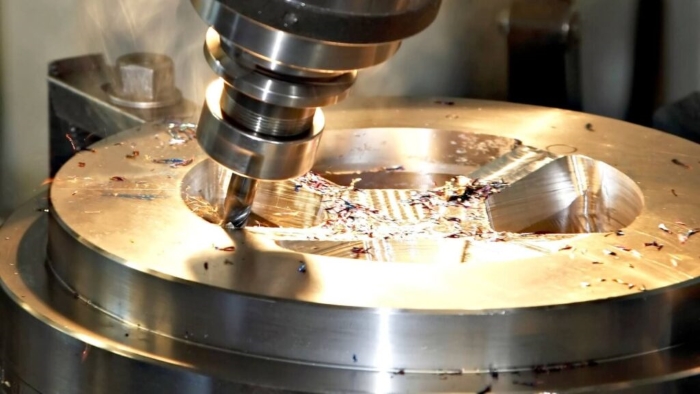
In real CNC milling operations, cutting speed is rarely set directly on the control panel but instead is translated into spindle speed and feedrate for each tool. Programmers and operators use cutting speed along with feed per tooth and number of flutes to generate the G-code parameters that define the actual cut.
Key uses of cutting speed in CNC milling include:
- Selecting spindle speed
- Once the desired cutting speed is chosen from charts or experience, spindle speed is calculated using the formulas that link surface speed to rpm and tool diameter.
- For each tool in the program, this ensures that the cutting conditions match the capabilities of the tool material and coating.
- Coordinating feedrate with cutting speed
- Feed per tooth values depend on tool diameter, material, and cutting speed, and they combine with spindle speed and flute count to define linear feedrate.
- When cutting speed is adjusted, feed per tooth or rpm may also change to maintain the correct chip load and prevent rubbing or tool breakage.
Cutting speed thus acts as a central parameter that connects material recommendations, tool selection, and final program values in CNC milling workflows.
Choosing the correct cutting speed is as much about practical judgment as it is about applying formulas, because every machine, setup, and tool behaves slightly differently. A few simple habits can greatly improve the reliability of calculated cutting speeds in day-to-day CNC milling.
- Start at the low end of the chart
- Begin with the lower end of the recommended cutting speed range for new materials, tools, or machines, then increase in small steps as you confirm stability.
- This approach minimizes the risk of immediate tool failure while still allowing optimization during production runs.
- Watch tool wear and chip color
- Excessive cutting speed often shows up as rapid flank wear, crater wear, or discolored chips that indicate too much heat at the cutting edge.
- If wear appears too quickly, reducing cutting speed slightly is usually more effective than cutting feedrate alone.
- Consider coating and coolant
- Advanced coatings such as TiAlN or DLC can sometimes justify higher cutting speeds compared to uncoated carbides in similar materials.
- Similarly, high-pressure coolant or through-tool coolant may allow moderate speed increases by removing heat and chips more effectively.
Even experienced machinists occasionally make errors when converting between cutting speed, spindle speed, and feedrate. Being aware of common mistakes makes it easier to catch and correct them before they cause tool breakage or scrap.
- Mixing units
- Confusing millimeters with inches or meters per minute with surface feet per minute often produces cutting speeds that are far too high or too low.
- Always confirm whether charts and calculators are using metric or imperial inputs and outputs.
- Forgetting the effect of tool diameter
- Using the same spindle speed for different tool diameters without recalculating cutting speed leads to inconsistent cutting conditions.
- Larger tools at the same rpm generate higher surface speed, which can push cutting conditions beyond tool limits.
- Ignoring machine limitations
- Some machines cannot reach the spindle speeds required for very small tools at recommended cutting speeds.
- In these cases, cutting speed must be reduced and feeds adjusted to match the realistic rpm limit of the spindle.
Cutting speed is one of the most influential variables in determining both tool life and the quality of the machined surface. Understanding this relationship helps operators choose sensible compromises for different production scenarios.
- Effect on tool life
- Higher cutting speeds usually increase temperature at the cutting edge, accelerating wear and reducing tool life.
- Lower speeds can prolong tool life but may increase cycle times and cost per part if taken too far.
- Effect on surface finish
- In many cases, moderate increases in cutting speed can improve surface finish by reducing built-up edge and promoting cleaner shearing.
- Extremely high speeds combined with unstable setups or incorrect feeds, however, may cause chatter and visible marks on the surface.
By monitoring both tool wear patterns and finished part quality, machinists can fine-tune cutting speed values for each application instead of relying only on generic tables.
Cutting speed in CNC milling describes how fast the tool's outer edge moves through the material and is a key factor in tool life, surface quality, and cycle time. Using the standard milling formulas, users can calculate cutting speed from spindle speed and cutter diameter or, conversely, determine rpm from recommended cutting speed and tool size.
Typical cutting speed ranges vary with material and tool type, so machinists rely on reference charts and gradually tune values based on tool wear, machine rigidity, and coolant conditions. Treating cutting speed as a calculated, adjustable parameter rather than a guess helps CNC milling shops achieve safe, repeatable, and cost-effective production.
Contact us to get more information!
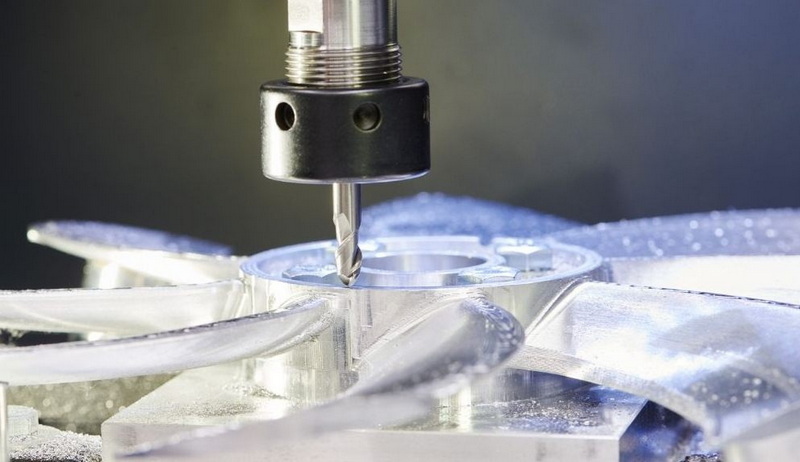
Cutting speed is calculated from spindle speed and cutter diameter using the basic milling formula that relates rotational speed to surface velocity. In metric units, cutting speed in meters per minute is found with Vc=(π×D×n)/1000, where diameter is in millimeters and spindle speed is in rpm.
Cutting speed measures how fast the tool's outer edge travels across the workpiece surface, while spindle speed simply counts revolutions per minute of the tool. For a given spindle speed, changing the cutter diameter alters cutting speed because the circumference at the cutting edge becomes larger or smaller.
Different work materials such as aluminum, mild steel, stainless steel, and titanium each have recommended cutting speed ranges that balance tool life and productivity. Tool material and coating, for example carbide versus high-speed steel or coated versus uncoated tools, also change the safe cutting speed that can be applied.
If cutting speed is set too high, tools may wear rapidly, overheat, or even fail catastrophically, especially in hard or gummy materials. If speed is too low, tools can rub instead of cutting, leading to built-up edge, poor surface finish, and inefficient machining cycles.
When a machine cannot reach the spindle speed required by the recommended cutting speed, operators typically reduce cutting speed and recalculate feed to match the actual rpm. Some references provide adjustment methods that keep chip load and feed per tooth proportional when spindle speed is limited by control or mechanical constraints.
1. https://www.mitsubishicarbide.net/contents/mmus/enus/html/product/technical_information/information/formula2.html
2. https://www.dapra.com/resources/milling-formulas
3. https://en.wikipedia.org/wiki/Speeds_and_feeds
4. https://www.sandvik.coromant.com/en-us/knowledge/machining-formulas-definitions/milling-formulas-definitions
5. https://www.harveyperformance.com/in-the-loupe/speeds-and-feeds-101/


