From idea to market-ready product, our NPI solutions make every stage easier, faster. Discover How We Help

Views: 222 Author: Tomorrow Publish Time: 2025-11-28 Origin: Site
Content Menu
● Overview of CNC Milling Machines
● Step 1: Planning the CNC Milling Machine Project
● Step 2: Designing the Frame and Structure
● Step 3: Assembling Mechanical Components
● Step 4: Selecting Spindle and Motor
● Step 5: Installing Stepper or Servo Motors
● Step 6: Wiring the Electronics
● Step 7: Cable Management and Safety
● Step 8: Software Installation and Configuration
● Step 9: Calibration and Testing
● Step 11: Maintenance and Future Upgrades
● Expanded Content on Aligning and Machining Parts
● Advanced Cooling and Chip Removal
● FAQ
>> 1. What materials are best for building a CNC milling machine frame?
>> 2. How much does it cost to build a CNC milling machine?
>> 3. Do I need programming experience to run a CNC milling machine?
>> 4. Can a DIY CNC milling machine cut metal?
>> 5. How accurate can a self-built CNC milling machine be?
Building a CNC milling machine requires a blend of mechanical skills, electronics knowledge, and software capabilities. This comprehensive guide explains every step involved in constructing a precise milling machine that can transform digital designs into physical parts. Whether you are a hobbyist or an engineer, understanding how to design, build, and operate a CNC milling machine will help you produce high-quality components with accuracy and efficiency.

CNC (Computer Numerical Control) milling machines automate the cutting process by moving a rotary cutting tool along multiple axes according to programmed instructions. Compared to manual mills, CNC systems offer repeatability, high precision, and complex shape capability. CNC milling is widely used in industries such as aerospace, automotive, electronics, and prototyping.
A typical CNC milling machine consists of a stable frame, linear motion guides, a spindle motor, and electronic control systems that interpret G-code commands to drive toolpaths. Building one involves mechanical assembly, electrical wiring, and software setup to create a reliable production tool.
Start by defining the machine's purpose and required capabilities. Decide on:
- Work area size and material types to be machined
- Required precision and repeatability
- Spindle power and RPM range
- Types of cutting tools needed
This planning influences the choice of frame materials, motors, electronics, and software. Clear goals ensure the design meets performance expectations.
The frame provides rigidity and vibration resistance, crucial for machining accuracy. Materials commonly used include aluminum profiles for lightweight setups, steel for heavy-duty cutting, and cast iron for optimum stability. Design the frame using CAD software to ensure proper alignment of linear rails and screws, minimizing deflection during operation.
The frame must hold all components tightly and allow smooth movement along the X, Y, and Z axes. Consider vibration-damping mounts to improve finish quality.
Key mechanical parts to assemble:
- Linear guides or rails for smooth, precise motion
- Ball screws or lead screws for translating motor rotation into linear movement
- Bearings and couplers to reduce backlash and ensure smooth rotations
- Spindle mount ensuring rigidity and vertical alignment of the cutting tool
Proper tightening and squared assembly ensure minimal tool deflection and long-lasting precision.
The spindle is the core cutter of the CNC milling machine. When selecting:
- Choose power according to materials and cutting speeds
- RPM range should cover roughing and finishing requirements
- Collet type must be compatible with the desired tooling
- Cooling may be air or water-based to prevent overheating
Attach a motor driver or variable frequency drive (VFD) for precise spindle speed control.
Stepper motors are common in DIY CNCs for their simplicity and affordability but often require tuning to reduce noise and missed steps. Servo motors offer closed-loop feedback for precise positioning but cost more. Choose motors based on required speed, torque, and budget. Mount motors with flexible couplers to reduce mechanical backlash.
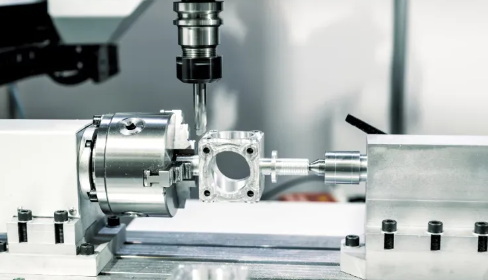
The electronics include:
- Controller board that interprets G-code and sends signals to drivers
- Motor drivers to power stepper or servo motors accurately
- Limit switches to define travel limits of axes and prevent crashes
- Emergency stop switch for immediate shutdown in danger
Common controllers include Arduino-based GRBL for hobbyists or Mach3/4 for advanced users. Wiring carefully, using shielded cables and grounding, reduces interference and protects components.
Proper cable management enhances reliability. Use cable chains to guide wires along moving axes, label wires for maintenance, and keep power and signal cables separated. Ensure grounding for the entire machine frame to avoid electrical hazards.
Safety steps include wearing protective gear, using emergency stops, and preventing loose clothing near moving parts. Install covers to shield from chips and coolant spray.
Install CNC control software compatible with your controller board. Popular options include Mach3/Mach4 or LinuxCNC. Configure axis parameters such as steps per mm, speed, and acceleration. Upload and test G-code files, starting with simple toolpaths to verify motion accuracy.
Use CAD and CAM software to create designs and generate G-code. Programs like Fusion 360 allow toolpath planning and simulation.
Calibrate each axis for travel distance and backlash compensation using dial indicators or calibration rulers. Test spindle rotation speed and verify spindle runout. Perform trial runs without cutting tools to check smooth operation.
Adjust motor current and tuning parameters for steady motion. Fine-tuning at this stage prevents inaccuracies during actual milling.
Start with softer materials like wood or plastic for initial tests. Secure the workpiece firmly on the bed. Use simple shapes or engraving G-code. Monitor the machine for vibration, chatter, or skipped steps. Adjust feed rate or spindle speed as necessary.
As confidence grows, experiment with harder materials and complex components.
Regularly clean chips and dust from linear guides and screws. Lubricate moving parts according to manufacturer recommendations. Check bolt tightness and electrical connections. Upgrade spindle, motors, or control electronics to improve speed and accuracy over time.
Additional features like automatic tool changers, coolant systems, or sensor feedback can enhance productivity.
Proper alignment of linear guides and ball screws is critical. Guides must be perfectly parallel and straight to avoid binding. Ball screws require precise mounting to minimize backlash.
When machining aluminum or steel components for the machine itself, maintain tight tolerances. Many builders start with wooden prototypes before fabricating metal parts. This approach helps verify dimensions and assembly fit.
Cover rails and screws with protective bellows or telescoping covers to prevent chips from causing damage or wear during machining.
A coolant system is essential for machining metals to dissipate heat and flush away chips. Design a coolant flow path with hoses directed at the tool-workpiece interface. Collect used coolant in a filtered reservoir for reuse. Chip guards and vacuum extraction maintain a clean working environment for better reliability and operator safety.
Building a CNC milling machine involves detailed planning, mechanical construction, precise wiring, and software integration. Each step requires careful alignment and calibration to achieve accuracy and durability. This DIY approach provides not only a powerful manufacturing tool but also a deep understanding of modern machining technology. Proper maintenance and gradual upgrades extend machine life and improve performance.
Steel offers strength and rigidity for metal cutting, while aluminum profiles are lighter and easier for small machines. Cast iron provides vibration damping but is harder to work with.
Costs vary widely, typically $800 to over $10,000, depending on materials, motor types, spindle power, and control systems.
Basic understanding of G-code and CAM software is helpful but not mandatory. Many software tools simplify code generation.
Yes, with a rigid frame, proper spindle, and suitable cutting tools, DIY CNC machines can handle metals like aluminum and mild steel.
With quality components and careful calibration, accuracies of 0.01 mm or better are achievable.
[1](https://www.instructables.com/CNC-Milling-Machine/)
[2](https://www.instructables.com/Building-your-own-CNC-milling-machine/)
[3](https://en.dmgmori.com/news-and-media/blog-and-stories/blog/blg2511-cnc-milling-machine-setup)
[4](https://geomiq.com/blog/cnc-milling-guide/)
[5](https://www.speedtigertools.com/solution/ins.php?index_id=107)
[6](https://alimco.in/WriteReadData/UserFiles/file/CNC%20machine.pdf)
[7](https://www.camaster.com/cnc-machine-setup-101-a-beginners-guide-in-2024/)
[8](https://www.youtube.com/watch?v=dFDOZcznm68)
[9](https://www.youtube.com/watch?v=TecC9_nwpUw)
[10](https://geomiq.com/cnc-design-guide/)


