From idea to market-ready product, our NPI solutions make every stage easier, faster. Discover How We Help

Views: 222 Author: Tomorrow Publish Time: 2025-12-06 Origin: Site
Content Menu
● Understanding CNC Turning Brakes
● Tools and Materials Required
● Step-by-Step Bench Bleeding Procedure
● Installing the Master Cylinder
● Full System Bleeding Methods
>> Reverse Bleeding for Stubborn Air
● Bleeding Dual-Circuit CNC Systems
● Troubleshooting Common Issues
● Post-Bleeding Checks and Testing
● Maintenance Tips for Longevity
● FAQ
>> 1. Why bench bleed before installing the master cylinder?
>> 2. What order should bleeders be opened in a CNC system?
>> 3. Can you bleed CNC brakes alone without help?
>> 4. What fluid is best for CNC turning brakes?
>> 5. How often should CNC brakes be bled?
CNC turning brakes refer to the hydraulic braking systems integrated into CNC lathes or turning centers, where precision braking controls spindle deceleration and stopping during machining operations. These brakes often feature master cylinders, caliper-style mechanisms, and fluid lines designed for high-pressure, repeatable performance. Bleeding these brakes removes air bubbles from the hydraulic fluid, ensuring firm pedal feel, consistent stopping power, and preventing spongy response that could compromise machining accuracy. Proper bleeding follows a sequence starting with bench bleeding the master cylinder, followed by full system purge, tailored to the dual-circuit or tandem setups common in CNC equipment.
Air enters the system during maintenance, component replacement, or fluid changes, rising naturally and compressing under pressure to reduce efficiency. CNC turning brakes demand meticulous bleeding due to tight tolerances and high-speed operations, where even minor air pockets can lead to uneven spindle stops or safety risks. This process uses fresh DOT 3 or DOT 4 fluid, compatible with seals and components in industrial CNC setups.
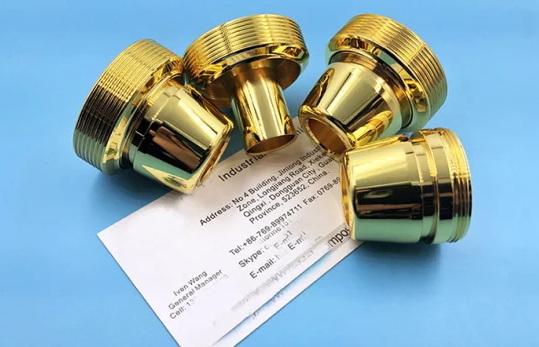
CNC turning brakes consist of a master cylinder actuated by a pedal or lever, hydraulic lines routing fluid to slave cylinders or calipers clamping the spindle, and reservoirs maintaining fluid levels. In advanced systems like those with CNC triple reservoirs or Wilwood-style pedal boxes, separate circuits handle front and rear or primary and secondary braking for balanced control. The master cylinder, often billet alloy for durability, pushes fluid through lines to engage pistons that apply friction to the rotating spindle.
Key components include bleeder screws at the highest points on calipers or wheel cylinders, allowing trapped air to escape when opened. Reservoirs feature pressure caps to prevent ingress during bleeding, and some setups include quick-takeup mechanisms to compensate for pad wear. Unlike automotive brakes, CNC versions prioritize rapid, precise engagement to halt heavy spindles loaded with tooling and workpieces.
Bench bleeding addresses air in the master cylinder bore before installation, critical because air here recirculates into the system otherwise. System bleeding then purges lines and calipers, starting farthest from the master to push air forward. Methods adapt to CNC environments, avoiding contamination from machining fluids like coolant.
Gather these essentials before starting: fresh brake fluid (DOT 4 preferred for high boiling point), clear plastic tubing fitting bleeder nipples (1/4-inch inner diameter common), catch bottles or jars for waste fluid, box-end wrenches (8mm to 13mm for nipples), a vise for bench work, blunt dowel or rod for master cylinder actuation, vacuum or pressure bleeder kit if available, and lint-free rags.
For CNC-specific setups, ensure copper washers for banjo fittings, torque wrench for precise tightening (typically 15-20 Nm on bleeders), and thread sealant if lines disconnect. Safety gear includes gloves, eye protection, and a fluid spill kit, as brake fluid corrodes paint and skin. Label tools to maintain organization during the multi-step process.
Optional advanced tools like a reverse bleeding syringe or electronic pressure bleeder speed up the task in shop settings, especially for dual-circuit CNC brakes requiring simultaneous bleeding.
Park the CNC machine on a level surface, power down, and lock out/tag out to prevent accidental spindle start. Depressurize the system by opening reservoir caps slowly. Wear protective eyewear and gloves; brake fluid irritates skin and eyes.
Avoid spills on machined surfaces or electronics, wiping immediately with water if contact occurs. Never bleed with the machine powered on or spindle rotating. Dispose of old fluid per local hazardous waste regulations, as it contains contaminants.
Work in a well-ventilated area, keeping reservoirs topped to prevent air suck-back. Double-check torque on all fittings post-bleeding to avoid leaks under operation pressure, which can reach 1000+ PSI in CNC brakes.
Bench bleeding prepares the master cylinder off the machine, removing bore air for efficient system bleed later. Secure the flange-mounted master cylinder in a vise, avoiding bore clamp pressure that could distort seals.
Install bleeder fittings or plugs into outlet ports, attaching clear hoses from ports back to the reservoir, ensuring hose ends submerge below fluid level. Fill reservoir three-quarters full with fresh fluid.
Depress the piston smoothly with a dowel in 3/4-inch strokes, releasing slowly; wait 15 seconds between cycles to allow quick-takeup function without aerating fluid. Repeat 50-100 times until no bubbles appear in hoses and piston travel reduces to 1/8-inch maximum.
Tap the cylinder body gently to dislodge stubborn bubbles, avoiding reservoir taps. Top fluid as needed, then cap reservoir and remove from vise. This step halves system bleeding time and ensures solid initial feel.
For dual-circuit CNC masters like triple-reservoir units, bench bleed each section separately or simultaneously if ports allow.
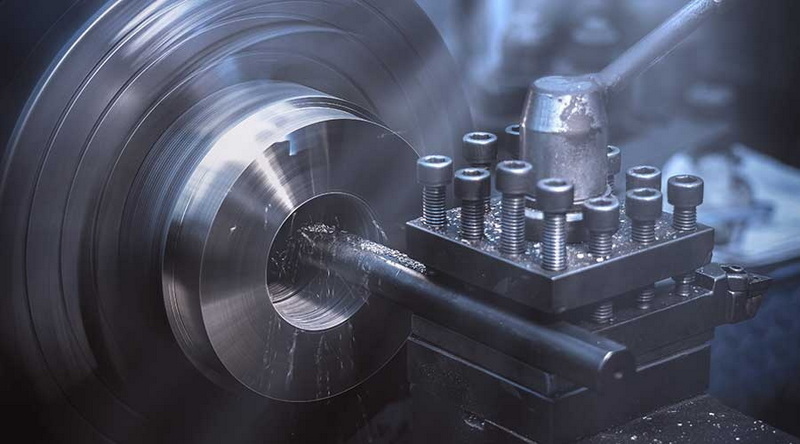
Mount the bench-bled master to the CNC pedal box or firewall bracket using specified torque (often 20-25 Nm). Leave bleeder plugs in outlets until lines connect.
Route hydraulic lines cleanly, avoiding kinks or heat sources near the spindle. Use new copper washers on banjo bolts, torquing to 18-22 Nm. Connect reservoirs if remote, pressurizing rear circuits first in split systems.
Prime lines by filling from master outlets before full connection, minimizing air introduction. Check pedal free play post-install; adjust pushrod if needed for 1/8-inch preload.
Start at the caliper farthest from the master (typically right-rear spindle side), working to nearest. Have an assistant pump pedal 3-5 times firmly, holding down while opening bleeder 1/4-turn.
Close bleeder before pedal release to prevent air backflow; repeat until fluid runs clear without bubbles. Top reservoir every 5-10 cycles, maintaining level above feed ports.
For CNC dual circuits, open one front and one rear bleeder simultaneously, pumping steadily. This balances pressure and purges both loops efficiently.
Attach a vacuum pump to the bleeder nipple, cracking it open while drawing fluid until bubble-free. Ideal for solo operation on CNC setups, as it pulls air downward without pedal use.
Move progressively closer to master, refilling reservoir continuously. Vacuum excels at extracting deep-trapped air in long lines to spindle calipers.
Pressurize the reservoir at 10-15 PSI with a bleeder kit, opening nipples sequentially from farthest. Fluid forces air out rapidly, recommended for CNC triple-reservoir systems.
Monitor gauge; do not exceed 20 PSI to avoid seal damage. This method flushes old fluid thoroughly, vital after long downtime.
Use a syringe to push fluid upward through the bleeder into the caliper, forcing air toward the master reservoir. Effective for high calipers on vertical spindles.
Combine with tapping lines lightly to release adhered bubbles. Finish with forward bleed to confirm solidity.
CNC turning brakes often split front/rear or primary/secondary for redundancy. Bench bleed both masters first.
Cap non-bleed circuit reservoirs, bleeding one loop fully before the other. Or open paired bleeders (one per circuit) while pumping for parallel purge, halving time.
Pressure bleeding shines here, as recommended by manufacturers for Wilwood/CNC pedal boxes. Verify cross-contamination absence by fluid color check.
Spongy pedal post-bleed indicates residual air; re-bleed farthest caliper first, tapping lines during process.
Fluid level drops signal leaks; inspect fittings, retorquing banjo bolts. Over-aerated fluid from fast pumping causes foam; use slow strokes.
Inconsistent spindle stop points suggest uneven circuit balance; adjust proportioning valves if equipped. Always test at low RPM before full-speed operation.
If pedal sinks slowly, check master seals or bench re-bleed. Contaminated fluid darkens quickly; flush entire system.
Torque all bleeders to 12-15 Nm, lines to spec. Top reservoirs, cap securely. Cycle pedal 20-30 times to seat pads.
Power up CNC in manual mode, test brake at incremental speeds: 500 RPM, 1000 RPM, up to rated. Confirm instant, firm stop without chatter.
Monitor for leaks over 24 hours idle. Recheck fluid after 10 hours runtime, as micro-leaks appear under heat.
Flush fluid annually or every 1000 hours, using full system bleed. Inspect hoses for cracks, replace every 2 years.
Store machine with reservoirs full to minimize seal dry-out. Use only OEM-spec fluid to prevent swelling or corrosion.
Log bleed dates and fluid types for warranty and diagnostics.
Bleeding CNC turning brakes restores hydraulic integrity, ensuring precise spindle control essential for machining quality and operator safety. Following bench bleeding, methodical system purge via manual, vacuum, pressure, or reverse methods eliminates air comprehensively. Regular maintenance prevents issues, extending component life in demanding CNC environments. Master this procedure to achieve rock-solid brake performance every time.
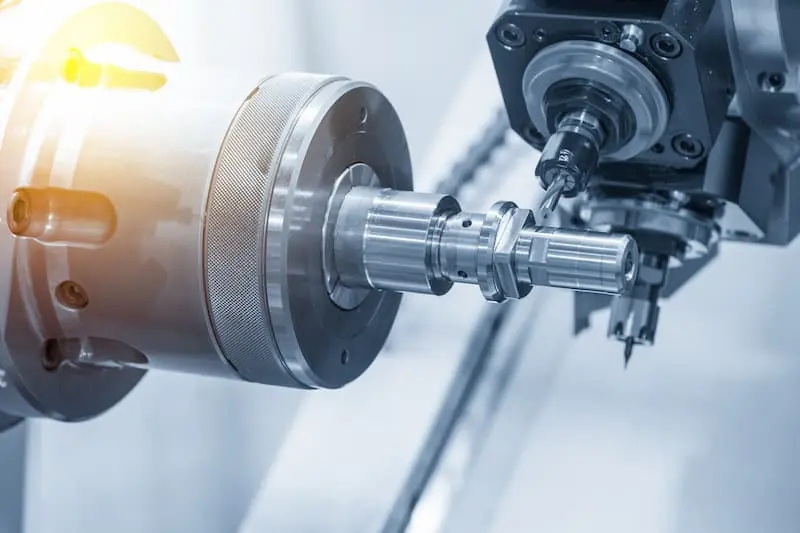
Bench bleeding removes air from the master cylinder bore off-machine, preventing recirculation during system bleed and ensuring firm initial pedal feel from the start.
Begin with the caliper farthest from the master cylinder, progressing closer, to push air forward without backflow into cleaned sections.
Yes, vacuum or pressure methods allow solo bleeding; reverse bleeding with syringes also works effectively for one-person operations.
DOT 4 fluid offers higher boiling point and compatibility with most seals; always match OEM specs to avoid seal degradation.
Bleed after any hydraulic work, fluid changes, or if spongy feel develops; annually or every 1000 hours for preventive maintenance.


