From idea to market-ready product, our NPI solutions make every stage easier, faster. Discover How We Help

Views: 222 Author: Tomorrow Publish Time: 2025-12-03 Origin: Site
Content Menu
● Factors Affecting CNC Machining Time
● Estimating CNC Machining Time
● Typical Lead Times Based on Part Complexity and Material
● Additional Factors Influencing CNC Machining Duration
● FAQs
>> 1. How does part complexity affect CNC machining time?
>> 2. What role does material type play in machining time?
>> 3. Can CNC machining time be accurately predicted?
>> 4. Why do tool changes affect machining time?
>> 5. How do machine capabilities impact machining duration?
CNC machining time varies widely depending on multiple factors including part complexity, machining processes, material type, and production volume. From a few minutes for simple parts to several hours or days for highly complex components, understanding these factors is key to estimating lead times accurately.
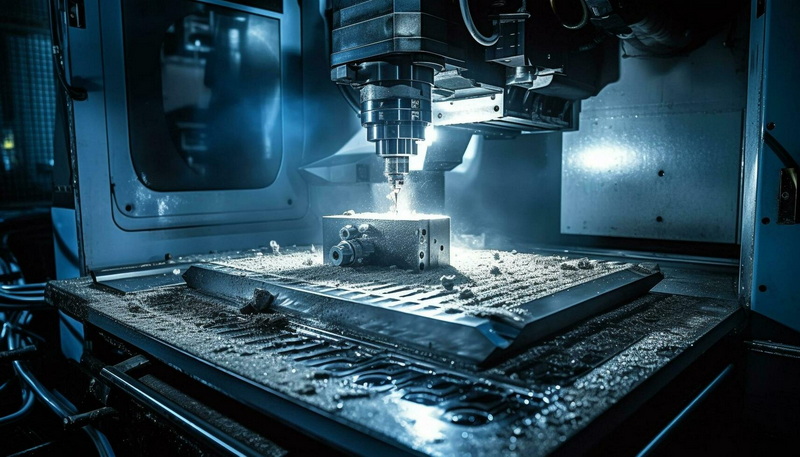
The primary factor influencing machining time is the geometric complexity of the part. Simple shapes like nuts, bolts, or washers require fewer operations and shorter cutting paths, allowing machines to complete the work in minutes or even seconds. As geometry becomes more complex with multiple surfaces, holes, slots, or intricate contours, the number of machining operations and program complexity increase, lengthening machining time considerably.
Different machining processes — such as milling, turning, drilling, or grinding — have varying speeds and efficiencies, adding to time variation. Cutting parameters like feed rate, cutting speed, and depth also affect cycle time directly. Materials play a significant role: softer materials like aluminum machine faster than tougher metals like stainless steel, which require slower cutting speeds for tool preservation.
Tool selection impacts machining time as well. The right tool type, size, and material optimize cutting effectiveness and tool life. Conversely, frequent tool changes and setup adjustments add to downtime and increase total production time. Machine capabilities, including the number of axes, live tooling availability, and multitasking options, can significantly reduce or extend machining cycles.
Programming time also affects overall lead time. Writing and optimizing a CNC program can take from minutes to hours depending on complexity. Advanced software and experienced programmers help shorten this stage.
Estimating machining time involves considering all operational steps from programming and setup through to actual cutting and finishing. The approximate calculation formula is:
Machining Time = (Total Length of Cut / Feed Rate) + Tool Change Time + Setup Time + Program Time
Where:
- Total Length of Cut is the cumulative distance the tool travels,
- Feed Rate is the speed at which the tool moves through the material,
- Tool Change Time accounts for stops to replace or adjust tools,
- Setup Time includes machine preparation and fixturing,
- Program Time is the duration to write and load the CNC program.
Advanced CNC software generates more precise machining time estimates by inputting part geometry, toolpaths, cutting data, and machine parameters. Historical data from similar parts also provide valuable benchmarks. For example, simple parts may be machined in under 10 minutes, while complex parts requiring several tool changes and high precision tolerances might take several hours.
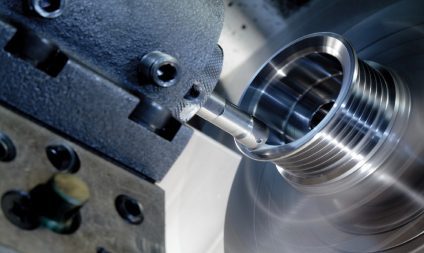
- Simple parts: Generally machined within a few minutes; typical examples include standard fasteners and basic geometries. Such parts require minimal setup and programming time.
- Moderately complex parts: These require multiple machining steps and precise tool changes, with machining times ranging from ten minutes to over an hour. Common parts include gears, shafts, and parts with multiple holes or slots.
- Highly complex parts: In aerospace, medical, and high-tech industries, parts with intricate features, tight tolerances, and special materials require hours to days to machine. These parts often have multi-axis machining, complex tool paths, and frequent tool changes.
Material selection dramatically influences machining time. Aluminum machines quickly due to softness and chip formation characteristics; stainless steel takes longer because of hardness and heat generation; titanium requires slow speeds for heat management, leading to even longer machining times.
- Machine tools: Advanced CNC machines with five axes, live tooling, or automation speed up complex operations and reduce repositioning. Older or basic CNC machines may take longer due to limited capabilities.
- Cutting data and tool management: Optimizing cutting speed, feed rate, and depth of cut can significantly reduce cycle times. Proper tool selection extends tool life and reduces tool changes, while poor choices lead to delays.
- Setup and changeover: Initial machine setup and fixture changes can consume a fair amount of time, especially for small production runs. Efficient setups and quick-change tooling decrease non-cutting time.
- Order quantity: For large production runs, setup time is amortized over many parts, reducing average time per piece. Small batch or prototype machining tends to have higher per-part machining time due to repeated setups.
- Machine availability and workload: Shops with multiple machines and flexible capacity can deliver parts faster. Conversely, limited machine availability or workload bottlenecks delay production.
CNC machining time is influenced by part complexity, machining operations, material types, tool selection, and machine capabilities. Simple parts usually take minutes to machine, while complex parts requiring multiple setups or difficult materials can take hours to days. Proper estimation involves considering all machining steps including setup, tool changes, and programming, which can be aided by software and experience. Efficient planning and modern equipment help minimize machining time and lead times.
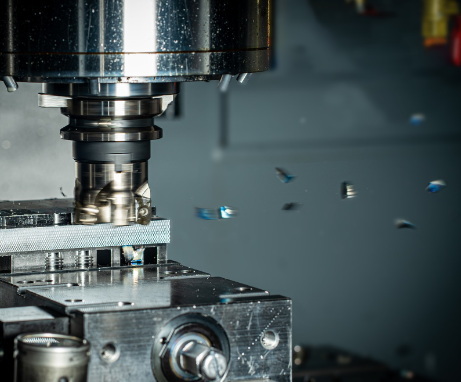
Part complexity determines the number of machining operations and tool paths needed. More intricate shapes require more cutting stages and setup, which increase machining time.
Materials influence cutting speeds; softer materials like aluminum machine faster, while harder metals like stainless steel require slower feed rates and longer machining times.
Yes, through specialized software that inputs geometric data, tooling, and cutting parameters, it is possible to generate precise machining time estimates.
Changing tools involves machine stops for replacement and setup, which adds downtime and lengthens the total processing time.
Advanced machines with multiple axes, live tooling, and multitasking capabilities can reduce machining time by performing complex operations in fewer setups.
[1](https://www.1fcnc.com/en/new/new-93-205.html)
[2](https://www.3erp.com/blog/cnc-machining-lead-times/)
[3](https://www.cgstool.com/blog/cnc-machining-optimizing-cycle-times/)
[4](https://avantiengineering.com/cnc-machining-types-processes-costs/)
[5](https://www.smartlathe.com/blogs-1/calculation-of-machining-time-for-facing-parting-off-and-deep-grooving-on-a-cnc-lathe)
[6](https://www.americanmicroinc.com/resources/cnc-machining-cycle-time-calculation/)
[7](https://www.sunnyhowe.com/blog/479.html)
[8](https://www.harveyperformance.com/in-the-loupe/tag/cycle-times/page/2/)
[9](https://technologicalprocess.com/determining-the-machining-time-main-time/)
[10](https://www.reddit.com/r/CNC/comments/nqkctz/are_there_any_public_data_on_cnc_machining_time/)


