From idea to market-ready product, our NPI solutions make every stage easier, faster. Discover How We Help

Views: 222 Author: Tomorrow Publish Time: 2025-12-03 Origin: Site
Content Menu
● Key Factors Affecting CNC Machining Costs
>> Machine Type and Setup Costs
>> Machining Time and Hourly Rates
>> Production Volume Considerations
>> Finishing and Post-Processing Expenses
>> Regional and Supplier Variations
>> Material Waste and Efficient Use
● Quality Control and Inspection
● Strategies to Reduce CNC Machining Costs
● Industry Applications and Typical Costs
● FAQ
>> 1. What are the primary factors influencing CNC machining costs?
>> 2. How much does CNC machining cost per hour typically?
>> 3. Why is low-volume CNC machining more expensive per part?
>> 4. How can design changes lower CNC machining expenses?
>> 5. What role does material choice play in overall costs?
CNC machining costs vary widely due to several influencing factors such as material type, design complexity, machine type, production volume, and finishing processes. Basic machining on common materials using standard equipment can cost between $10 and $20 per hour. More intricate designs requiring advanced multi-axis machines or exotic materials can result in higher rates, sometimes exceeding $40 per hour. Understanding these variables is essential for accurate cost estimation and efficient project management.

The choice of material plays a crucial role in the overall CNC machining cost. Materials like aluminum are relatively inexpensive, easy to machine, and cause less tool wear, which reduces processing time and cost. Steel tends to be more expensive, harder, and slower to machine, increasing both material and labor expenses. Exotic materials such as titanium or Inconel demand specialized tooling and lead to significantly higher costs due to their challenging machining properties and raw material pricing. Plastics provide economical options for prototypes but may require careful handling due to heat sensitivity during machining.
Design intricacy is one of the most significant cost drivers in CNC machining. Simple parts with straightforward geometry are less expensive and faster to machine, typically requiring only 3-axis machines. Complex features such as undercuts, thin walls, deep cavities, or tight tolerances require multi-axis machining, longer cycle times, additional tooling, and program complexity, which all add up to higher costs. Optimizing the design by simplifying shapes, enlarging radii, and standardizing holes can effectively reduce machining time and expenses without compromising part functionality.
The type and capability of the CNC machine used impact costs substantially. Basic 3-axis machines operating at lower hourly rates are suitable for simpler parts, whereas 5-axis or specialized machinery are required for more complex components, commanding higher hourly charges. Setup costs include programming, tooling preparation, and fixturing, which are often fixed and shared across production volumes. Efficient setups with quick-change tooling and experienced operators help minimize these costs, but complex setups for large or intricate parts increase them.
Machining time multiplied by the machine's hourly rate forms the base of CNC machining costs. Simple parts may take less than an hour on a 3-axis machine, while complex parts may require several hours on advanced equipment. Hourly machine rates range from $10-$20 for 3-axis setups to $20-$40 or more for multi-axis systems depending on the shop location and capabilities. Factors like feed rate, spindle speed, tool path optimization, and material machinability affect cycle time length and thus cost.
Volume significantly influences per-part CNC machining costs. Lower volumes bear higher costs per unit due to setup and programming expenses that remain fixed regardless of quantity. Conversely, high-volume runs spread setup costs across many parts, substantially reducing individual prices. Minimum order quantities help justify setup efforts economically, and long-term contracts can secure better pricing by guaranteeing volumes. Proper production planning avoids overproduction and associated costs.
Post-machining processes such as polishing, anodizing, heat treatment, plating, and deburring add 20-50% or more to the total cost depending on the complexity and finish quality required. Tight tolerances necessitate slower machining and inspection steps, increasing labor and machine time. Planning finishes early can streamline operations. Bulk finishing for large production runs reduces per-part cost effectively.
CNC machining costs vary globally. Shops in the US and Europe typically charge higher prices ($50-$100 per hour) for reliability, turnaround speed, and certified quality. Asian manufacturers, particularly in China, often provide competitive rates ($20-$50 per hour) due to lower labor costs and overhead. Supplier reputation, certifications, and lead times influence pricing, as do tariffs and logistics expenses. Online quoting platforms enable efficient price comparisons and supplier vetting.
Material utilization affects overall CNC machining expenses. Excessive waste from inefficient material use raises raw material costs, especially for expensive alloys. Designing parts to maximize material yield, nesting parts intelligently during machining, and recycling scraps when possible reduce waste. Efficient use of raw materials directly cuts cost per part and environmental impact.
Tool wear depends on material hardness, complexity, and machining parameters, influencing tooling replacement frequency and downtime costs. Hard materials or intricate designs accelerate wear, increasing cumulative expense. Choosing appropriate tools and machining strategies prolongs tool life and reduces unexpected maintenance costs.
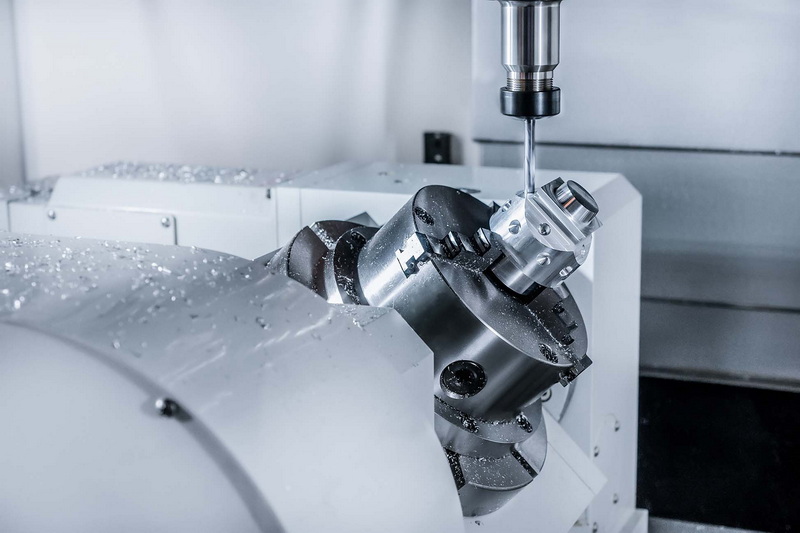
High precision and tolerance requirements necessitate extensive quality control, such as dimensional inspection and testing, adding to labor and equipment costs. Rework or scrap due to defects increases overall expenses. Investing in upfront design and process optimization reduces downstream quality issues and associated costs.
- Design for Manufacturability: Simplify features, use standard hole sizes, and avoid unnecessary tight tolerances.
- Material Selection: Choose machinable and cost-effective materials meeting performance needs.
- Increase Volume: Bulk production spreads fixed costs efficiently.
- Optimize Setup: Use quick-change tooling and plan batches to minimize machine downtime.
- Supplier Negotiation: Compare quotes, leverage long-term contracts, and select reputable but cost-effective manufacturers.
- Aerospace: High precision titanium parts range $100-$500 due to strict tolerances and material cost.
- Automotive: Aluminum prototypes commonly cost $50-$200.
- Consumer electronics: Large volume plastic housings cost as low as $5-$50 each.
- Medical Devices: Require biocompatible materials and certifications pushing costs higher.
CNC machining costs vary widely depending on material choice, part complexity, machine type, production volume, and finishing requirements. Understanding and optimizing these factors enables cost-effective manufacturing without sacrificing quality. Careful design, appropriate material selection, and good supplier relationships are keys to controlling expenses and achieving project success.
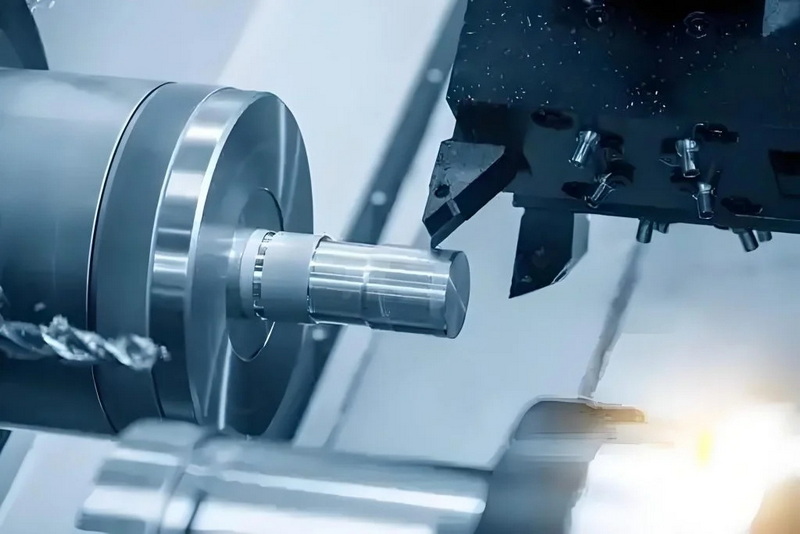
Material type, design complexity, machine axes, production volume, and finishing processes are the main cost drivers affecting setup time, machining duration, and additional expenses.
Hourly rates vary from $10-$20 for 3-axis machines to $20-$40 or more for 5-axis machines, influenced by location and shop capabilities.
Low volumes result in higher per-part costs because fixed setup and programming costs are spread over fewer units, unlike bulk production which improves economies of scale.
Simplifying geometries, standardizing features, and selecting easily machined materials reduce machining time, tooling costs, and complexity.
Material affects raw costs, machining time, tool wear, and setup needs. Softer materials like aluminum lower costs compared to harder metals like steel or titanium.
[1](https://www.partmfg.com/cost-of-cnc/)
[2](https://xometry.pro/en/articles/cnc-machining-cost/)
[3](https://hppi.com/knowledge-base/cnc-machining-design/cost)
[4](https://www.scan2cad.com/blog/cnc/cnc-machining-costs/)
[5](https://www.steckermachine.com/blog/what-factors-impact-cnc-machined-part-costs)
[6](https://firstmold.com/tips/cnc-machining-costs/)
[7](https://jlccnc.com/blog/breaking-down-cnc-machining-costs-key-factors-and-practical-tips-to-save)
[8](https://www.komacut.com/blog/how-much-does-cnc-machining-cost/)
[9](https://www.xometry.com/resources/machining/cnc-machining-cost-calculation/)
[10](https://www.protolabs.com/en-gb/resources/blog/understanding-cnc-manufacturing-costs/)


