From idea to market-ready product, our NPI solutions make every stage easier, faster. Discover How We Help

Views: 222 Author: Tomorrow Publish Time: 2026-01-03 Origin: Site


Content Menu
● Selecting the Right Material for Wheel Milling
● Designing the Wheel for CNC Milling
● Preparing the CNC Milling Machine
● Step-by-Step Machining Process
>> Step 4: Drilling and Detailing
>> Step 5: Deburring and Surface Treatment
>> Step 6: Final Inspection and Testing
● Advantages of CNC Milling for Wheel Manufacturing
● Challenges and Solutions in CNC Wheel Machining
● Automation and Technological Advancements
● Maintenance and Safety Practices
● FAQ
>> 1. What materials are best for CNC wheel milling?
>> 2. How long does it take to machine a wheel?
>> 3. Can CNC milling produce fully custom wheels?
>> 4. How do manufacturers ensure wheel quality?
>> 5. What's the future of CNC wheel machining?
CNC milling is one of the most advanced and precise methods used in modern wheel manufacturing. It combines computer-controlled automation with high-speed precision cutting to transform a solid block of metal into a perfectly shaped wheel ready for automotive, aerospace, or industrial applications. This process has revolutionized the wheel industry, offering design freedom, improved quality, and maximum consistency.
In this comprehensive article, we'll explore every aspect of how to machine a wheel with a CNC milling machine — from selecting materials and designing models to milling, inspection, and finishing. You'll also learn about current trends, challenges, and innovations shaping the future of wheel production.
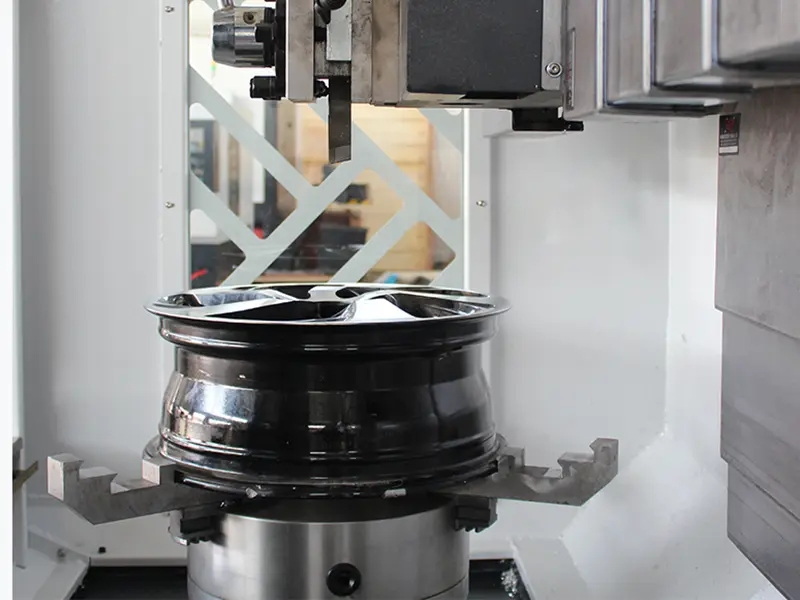
CNC milling stands for Computer Numerical Control milling. It is a subtractive manufacturing process in which the machine removes material from a solid billet using precisely controlled rotating tools. Every movement — whether linear or rotational — follows programmed instructions written in G-code.
Unlike manual machining, CNC milling ensures repeatable accuracy across multiple pieces. The precision level can reach microns, making the method invaluable for parts like wheels that require structural balance, aesthetic appeal, and durability.
CNC milling has become indispensable for both mass production and high-end custom wheels. Industries such as motorsport, aerospace, and luxury automotive brands rely on CNC machining to meet tight specifications and guarantee performance under extreme conditions.
Choosing the correct material is the foundation of successful wheel machining. The primary goal is to balance lightweight performance with strength and resistance to deformation.
Common materials used in CNC wheel machining include:
- Aluminum alloys (6061-T6, 7075-T6): The most common and cost-effective materials that combine lightweight properties with corrosion resistance.
- Magnesium alloys: Even lighter than aluminum, though more expensive and challenging to machine because of their flammability.
- Forged steel: Used for high-strength applications but adds significant weight.
- Titanium: Strong and corrosion-resistant but costly and difficult to mill.
- Carbon-fiber inserts: Sometimes integrated as hybrid solutions for weight reduction.
Aluminum remains the most popular due to its machinability and balanced mechanical properties. The billet form is usually pre-heat-treated to maintain uniform grain structure, which improves accuracy during cutting and minimizes warping caused by internal stresses.
Before any milling begins, a detailed digital model must be created using CAD (Computer-Aided Design) software. This model defines the wheel's diameter, shape, spoke pattern, offset, hub bore, and brake clearance. Modern design tools allow simulations for stress distribution and dynamic performance, ensuring safety even before production starts.
Once the CAD design is completed, it is transferred to a CAM (Computer-Aided Manufacturing) program that generates the toolpaths (G-code). The G-code dictates each motion of the milling machine — tool entry points, cutting speeds, spindle rotation, and axes movement.
Design factors to consider:
- Spoke geometry (concave, multi-spoke, or split design).
- Load-bearing optimization to prevent failure under stress.
- Aesthetic symmetry for visual appeal.
- Airflow patterns to enhance brake cooling.
- Mounting hole alignment and tolerance.
A precise digital design is not just aesthetic but functional. It ensures better fuel efficiency, weight balance, and durability once the wheel is mounted on a vehicle.
Preparation is vital to achieving a defect-free wheel. The billet (raw metal block) is positioned on the machine bed or rotary table and secured with a precision vise, clamp, or custom fixture.
Steps to prepare the CNC milling machine include:
1. Machine calibration: Align the spindle, worktable, and tool magazine with high accuracy.
2. Fixture setup: Ensure the blank is securely held without vibration.
3. Tool selection and loading: Install cutting tools such as end mills, drills, reamers, and chamfer mills.
4. Coolant setup: Apply water-based or oil-based cooling fluids to reduce tool wear and maintain constant temperature.
5. Program validation: Run a simulation or a dry cut to verify toolpath safety before actual material removal.
For wheel milling, multi-axis machines — like four-axis and five-axis CNC mills — are preferred. They allow the cutting tools to approach the workpiece from multiple angles, enabling complex spoke designs and undercuts that would be impossible with three-axis systems.
Rough milling removes the majority of material quickly. High feed rates and larger cutters carve out the basic wheel outline, including the outer rim and inner hub. During this stage, tool life and material removal efficiency are prioritized over surface quality. The machine leaves a few millimeters of extra material for later finishing.
After roughing, semi-finishing cuts define more accurate shapes around spokes, bolt holes, and contours. Smaller end mills refine edges, while slower speeds and reduced feed rates prevent chatter. This step ensures all complex profiles and transitions match the intended 3D model.
Finishing cuts are performed using fine tools and precise cutting parameters. Feed rates are minimized, and spindle speed is optimized to achieve a perfectly smooth surface. The goal is to remain within ±0.01 mm of dimensional tolerance.
Finishing also involves multi-axis synchronized movements for deep cavities, sharp edges, and spoke intersections. These fine passes highlight the wheel's design details and prepare it for polishing.
Bolt circle patterns, center bores, and valve stem holes are drilled or reamed to size. Depending on design requirements, engraving or logos may also be milled at this stage. Each wheel's branding or part number is typically engraved using precision laser etching for traceability.
Once milling is complete, small burrs and sharp edges must be removed. Deburring tools and brushes smooth the surface. Further treatments may include:
- Mechanical polishing for a mirror finish.
- Anodizing for corrosion resistance.
- Powder coating or painting for visual customization.
A well-polished wheel not only looks appealing but also resists corrosion and stress cracking more effectively.
Finished wheels undergo rigorous testing to ensure they meet exact design and safety standards.
Inspection methods include:
- Dimensional verification with CMM (Coordinate Measuring Machine).
- X-ray or ultrasonic testing for hidden defects.
- Runout testing to check rotational balance.
- Fatigue and impact testing for performance validation.
Only after passing all inspections can the wheel proceed to assembly or shipment.
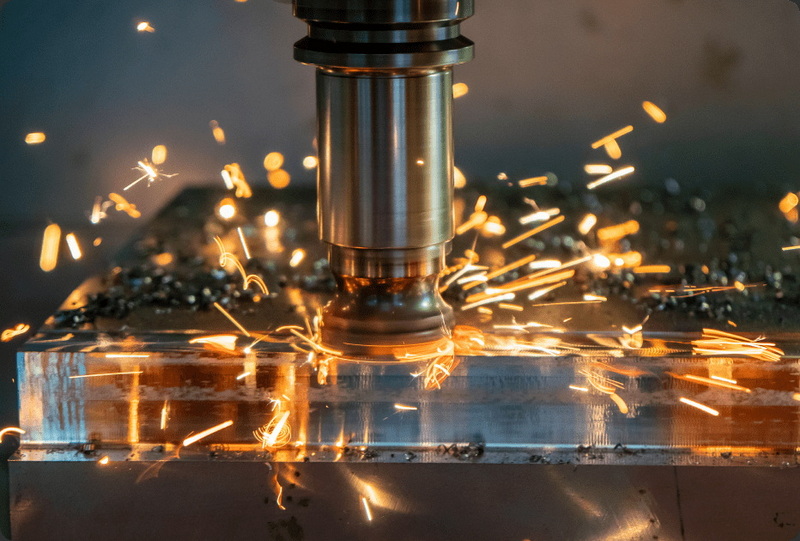
CNC milling provides several crucial advantages that make it the preferred method across industries:
- Unmatched precision: Produces components with microscopic accuracy.
- Consistency: Every wheel is identical to the original design.
- Customization: Ideal for low-volume or one-off custom designs.
- Material efficiency: Subtractive machining reduces waste through optimized toolpaths.
- Speed and productivity: Multi-axis milling shortens production time without compromising quality.
- Enhanced safety: Precision manufacturing minimizes the risk of imbalanced or defective wheels.
These factors contribute to both performance and aesthetic appeal, which are equally important in modern wheel design.
While CNC milling offers extraordinary precision, it also presents technical challenges:
- Tool Wear: Continuous cutting at high speeds can dull tools quickly. Using coated carbide or diamond-tipped tools helps extend life.
- Thermal Distortion: Aluminum expands under heat. Consistent coolant application prevents temperature fluctuations.
- Chip Removal: Proper chip evacuation systems prevent clogging and surface scratches.
- Programming Errors: Advanced CAM simulation software and operator experience minimize tool collisions and path miscalculations.
- Fixture Rigidity: Secure clamping avoids vibration-induced surface blemishes or dimensional drift.
By applying predictive maintenance and adaptive control strategies, manufacturers can reduce downtime and ensure smooth production cycles.
The wheel manufacturing industry is rapidly evolving with the adoption of Industry 4.0 technologies. Smart CNC systems equipped with AI-driven sensors can monitor vibration, temperature, and tool wear in real-time. Digital twin simulations optimize machining operations before physical cutting begins.
Automation has also made lights-out manufacturing possible — mills run overnight with minimal human supervision, improving throughput and efficiency. Robotic arms now handle material loading, unloading, and even polishing, allowing operators to focus on programming and inspection rather than manual labor.
Emerging trends include:
- Integration of additive and subtractive manufacturing.
- Real-time adaptive machining using sensor feedback.
- Smart toolpath optimization with machine learning algorithms.
- Environmentally conscious coolants and recycling processes for metal waste.
These advancements are steering wheel production toward higher precision, leaner operations, and greener sustainability.
Maintenance ensures the CNC milling machine stays accurate and reliable over long periods. Operators perform regular checks on spindle bearings, ball screws, lubrication systems, and coolant filters. Preventive maintenance schedules minimize unexpected breakdowns.
Safety is equally critical. Operators must wear protective eyewear, gloves, and ear protection, and follow safety lockout procedures during machine setup. Proper ventilation prevents inhalation of fine metal particles generated during machining.
By adhering to safety protocols and machine maintenance routines, manufacturers not only protect workers but also extend equipment lifespan and maintain consistent product quality.
CNC milling is a masterpiece of engineering precision that bridges digital design and mechanical execution. The process begins with careful material selection and digital modeling, then moves through meticulous setup, controlled machining, and detailed finishing. Each step requires technical expertise, attention to detail, and a commitment to excellence.
The result is a beautifully crafted, structurally reliable wheel that meets the toughest performance standards — whether it's mounted on a high-speed race car, a luxury sedan, or an aerospace component. As technology continues to advance, CNC wheel machining will become even more efficient, sustainable, and innovative, pushing the boundaries of what is possible in modern manufacturing.
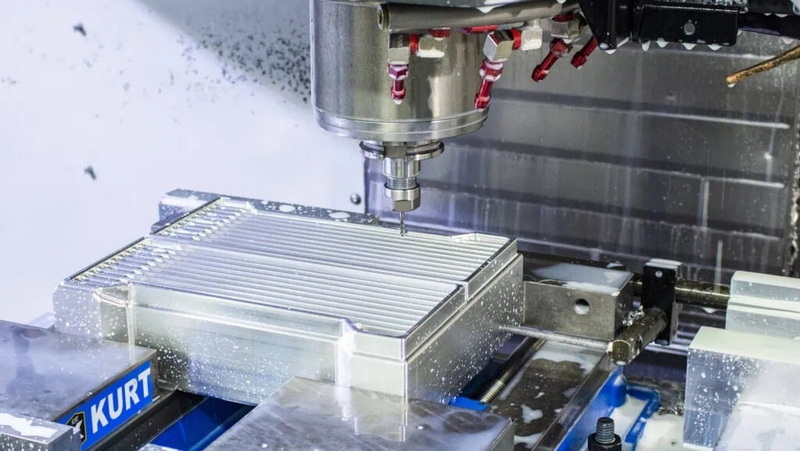
Aluminum alloys like 6061-T6 and 7075-T6 are favored for their ideal balance of weight, strength, and machinability, making them perfect for high-performance and custom wheels.
Depending on the design complexity, material, and machine capability, one wheel can take between 2 to 6 hours to complete, including finishing processes.
Absolutely. CNC milling allows endless customization — from spoke shapes to engraved logos — since every detail is defined in the digital design file.
Each finished wheel is tested for dimensional precision, structural integrity, and balance using advanced inspection systems like CMM, X-ray, and fatigue tests.
The future combines AI automation, smart sensors, and hybrid manufacturing to achieve faster, cleaner, and more sustainable production methods.


