From idea to market-ready product, our NPI solutions make every stage easier, faster. Discover How We Help

Views: 222 Author: Tomorrow Publish Time: 2026-01-18 Origin: Site


Content Menu
● Understanding CNC Machining Fundamentals
>> Key Factors That Vary by Industry
● CNC Machining in the Aerospace Industry
>> Key Characteristics of Aerospace CNC Machining
● CNC Machining in the Automotive Industry
>> Key Characteristics of Automotive CNC Machining
● CNC Machining in the Medical Industry
>> Key Characteristics of Medical CNC Machining
● CNC Machining in the Electronics Industry
>> Key Characteristics of Electronics CNC Machining
● CNC Machining in Consumer Products and Industrial Equipment
>> Key Characteristics of General Industrial and Consumer CNC Machining
● Comparing CNC Machining Requirements Across Industries
>> Typical Differences by Sector
● How Design and Engineering Change by Industry
>> Design Practices Influenced by Industry
● Quality Control and Inspection Differences
● Future Trends in Industry Specific CNC Machining
>> Key Trends
● FAQ
>> 1. What makes aerospace CNC machining unique?
>> 2. How does CNC machining benefit the automotive sector?
>> 3. Why is CNC machining crucial in medical manufacturing?
>> 4. What role does CNC machining play in electronics manufacturing?
>> 5. How is CNC machining adapting to future industrial trends?
Computer Numerical Control CNC machining has reshaped the way industries manufacture components and products. Although CNC technology operates on the same foundational principle, precise computer control of tools cutting materials, the way it is applied varies significantly from one sector to another. Each industry demands unique tolerances, materials, certifications, and surface finishes adapted to its needs. Understanding these differences is essential for buyers, engineers, and manufacturers who want to optimize cost, quality, and lead time.
This article explains how CNC machining differs across industries such as aerospace, automotive, medical, electronics, and general industrial or consumer manufacturing. It also highlights how design requirements, quality systems, and regulatory expectations change from one sector to another.

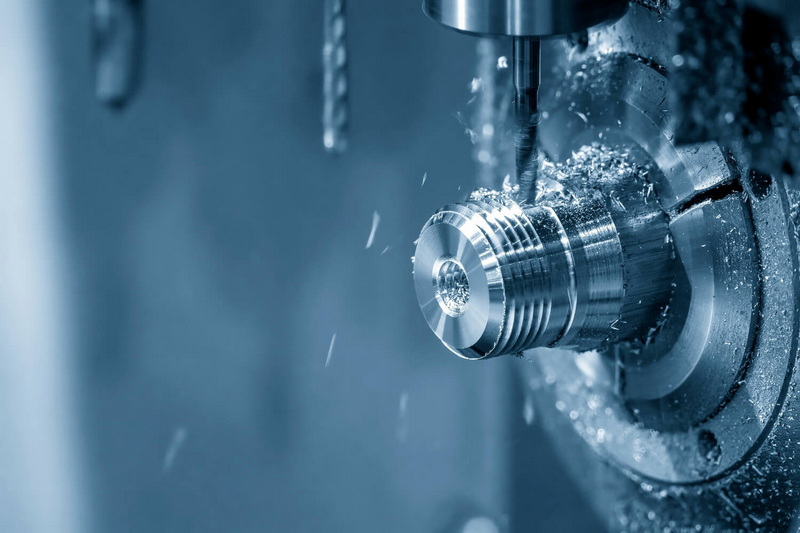
CNC machining is a subtractive manufacturing process in which pre-programmed computer software directs the movement of factory machinery and tools. This technology allows the production of highly accurate parts by removing material from a solid workpiece through turning, milling, drilling, or grinding.
The main advantages of CNC machining include:
- High dimensional accuracy and consistency
- Efficient automation that reduces human error
- Compatibility with metals, plastics, ceramics, and composites
- Ability to handle one-off prototypes and mass production
- Repeatability for long production runs over many years
Even though these core features remain the same, different industries implement CNC machining with specific customization depending on precision needs, material types, documentation level, and production environments.
Several key factors drive how CNC machining is applied in different sectors:
- Tolerance and precision level
- Material selection and traceability
- Surface finish and post-processing
- Certification and documentation requirements
- Production volume and cost structure
- Design complexity and geometry
- Risk level and regulatory oversight
The higher the risk and regulatory burden of an industry, the more demanding its CNC machining requirements become. For example, an aerospace turbine blade and a consumer phone holder may both be CNC machined, but their quality systems, inspection processes, and documentation are completely different.
Aerospace applications demand extreme precision and reliability due to the intense mechanical and thermal stresses endured by aircraft and spacecraft components. Every part must meet strict safety and regulatory standards to ensure flight performance and passenger safety.
- Material selection
Aerospace CNC machining mainly uses lightweight yet strong metals such as titanium alloys, Inconel, stainless steels, and high grade aluminum alloys. These materials help reduce weight while maintaining structural integrity and resistance to heat and fatigue.
- Tight tolerances
Accuracy within ±0.001 inches or better is common for critical components including turbine blades, engine housings, fuel system parts, and landing gear elements. Geometric dimensioning and tolerancing GD&T is widely used.
- Complex geometries
Aerospace parts often require 5 axis or even multi axis simultaneous machining to produce intricate, organic shapes that improve aerodynamic performance and reduce weight.
- Surface finishing and coatings
Components frequently undergo anodizing, shot peening, chemical conversion coating, hard coating, or special aerospace grade painting to resist corrosion, wear, and stress fatigue.
- Documentation and traceability
Aerospace projects need material certificates, process logs, and full traceability from raw material to finished part. Quality systems such as AS9100 are standard for suppliers.
- Production volumes
Quantities are usually low to medium, but each part has high value and involves extensive quality control and inspection.
The sophistication of aerospace CNC machining pushes the boundaries of precision engineering. Process stability, risk management, and documentation are just as important as machining capability itself.
The automotive sector emphasizes efficiency, scalability, and cost optimization while still maintaining safety and durability. Automotive CNC machining supports both prototype development and large scale production of components used in engines, transmissions, powertrains, braking systems, chassis, and interior components.
- Material variety
Automotive applications use carbon steels, alloy steels, cast iron, aluminum alloys, and engineered plastics for non structural or interior parts. Choice depends on structural needs, weight targets, and overall cost.
- Moderate tolerances with strict consistency
Tolerances are typically around ±0.01 inches for many parts, although certain engine or transmission components can require tighter control. The focus is on consistency in high volume production.
- High automation and cycle time reduction
Production lines often combine CNC machines with robotic loading, pallet systems, and in line measurement to cut cycle time and labor cost. Productivity and uptime are major performance indicators.
- Prototype versus mass production
CNC machining is heavily used in early stage design and functional prototyping. For mass production, automakers might use casting, forging, or molding for the basic shape and rely on CNC machining for finishing and critical surfaces.
- Quality standards
Automotive suppliers usually comply with standards such as IATF 16949 and maintain robust process control, capability studies, and statistical process control.
The automotive industry leverages CNC technology to balance precision with throughput. It demands reliable, repeatable processes that can run economically around the clock.
CNC machining in the medical field plays a vital role in producing surgical instruments, orthopedic implants, dental components, diagnostic equipment parts, and housings for medical devices. Strict regulatory oversight ensures that products are safe and effective inside or around the human body.
- Extreme precision and repeatability
Micron level precision is often required, especially for joint replacements, bone screws, dental implants, and complex surgical tools. Small deviations can directly affect clinical performance.
- Biocompatible materials
Common materials include titanium and titanium alloys, medical grade stainless steels, cobalt chrome alloys, and high performance plastics such as PEEK and PPSU. These materials must not cause negative reactions in the body.
- Surface finish and cleanliness
Medical parts often demand highly polished, burr free surfaces to minimize bacterial growth and support sterilization. Surface textures may be engineered to encourage bone in growth for implants.
- Customization and short runs
Patient specific implants, dental solutions, and custom surgical tools are frequently machined in small batches or one off quantities. CNC machining is ideal for these highly customized, high value applications.
- Regulatory compliance
Manufacturers must comply with regulations and quality systems such as ISO 13485 and maintain full traceability, validation of processes, and rigorous documentation to meet regulatory approvals.
Because patient safety is at stake, medical CNC machining must combine high precision, advanced materials, and strict process control, often at relatively low volumes.

In electronics manufacturing, CNC machining is essential for producing housings, structural frames, connectors, fixtures, and thermal management components such as heat sinks. It supports consumer electronics, telecom devices, computer hardware, and industrial electronics.
- Lightweight and functional materials
Electronics commonly use aluminum, magnesium, copper alloys, brass, and a range of plastics. Aluminum is especially popular for housings, frames, and heat sinks due to its balance of strength, weight, and thermal conductivity.
- High precision for small features
Miniaturized devices require accurate machining of small slots, mounting holes, threads, and alignment features that must interface perfectly with printed circuit boards and connectors.
- Cosmetic and functional surface treatments
Anodizing, bead blasting, powder coating, and laser engraving are widely used to achieve attractive finishes, improve corrosion resistance, and add branding elements.
- Rapid prototyping and short runs
The electronics market changes quickly. CNC machining enables fast prototype development, low volume pre production runs, and design validation before committing to mass production processes like die casting or injection molding.
- Thermal management considerations
For components such as heat sinks and enclosures, machining strategies must consider airflow, fin thickness, and surface area to improve cooling performance.
Electronics CNC machining focuses on combining functional precision with visual appeal and rapid development cycles.
Beyond specialized sectors, CNC machining also supports consumer goods, industrial tools, and machinery components. Examples include appliance parts, sporting equipment, lighting fixtures, tooling components, jigs, fixtures, and replacement parts for factory machinery.
- High versatility
These applications cover a wide range of metals and polymers. Shops must be flexible and able to switch between very different jobs and materials.
- Balanced tolerances
Tolerances can range from fairly loose to moderately tight depending on the function of the part. Extremely tight tolerances are usually reserved for critical mechanical or sealing surfaces.
- Cost sensitivity
Many consumer and industrial buyers prioritize unit price. Machinists optimize tool paths, fixture design, and batch sizes to reduce cycle time and scrap.
- Durability and reliability
For industrial equipment, parts must withstand long term wear, vibration, and sometimes harsh operating conditions. Material hardness, surface treatments, and robust design are important.
- Aftermarket and spare parts
CNC machining is widely used to produce small runs of spare parts and to reverse engineer components that are no longer available from the original manufacturer.
In these sectors, CNC machining stands out for its flexibility and its ability to support both product development and long term maintenance.
The differences between industries become clear when you compare their expectations in terms of precision, materials, production scale, and documentation.
- Aerospace
Very high precision, advanced alloys, extensive documentation, low to medium volumes.
- Automotive
Medium to high precision, strong focus on productivity and cost, high volumes, standardized parts.
- Medical
Extremely high precision, biocompatible materials, strict regulatory requirements, low volumes and custom parts.
- Electronics
High precision and cosmetic quality, lightweight materials, fast prototyping and short product cycles.
- Consumer and industrial
Variable precision, wide material range, strong sensitivity to machining cost and lead time.
These contrasts show that even though CNC machines may look similar on the shop floor, the way they are programmed, maintained, and qualified varies significantly depending on the target market.
CNC machining differences are not limited to the workshop. Design and engineering practices also shift across industries.
- Aerospace and medical engineers often design with high factors of safety and include complex geometries, internal channels, and weight saving features that demand advanced 5 axis machining.
- Automotive designers focus heavily on manufacturability at scale and may favor geometries that reduce cycle time and tool changes.
- Electronics designers balance structural needs with internal space for boards and connectors and rely on tight stack up control to ensure assembly.
- Industrial equipment designers may prioritize ruggedness and ease of maintenance over minimal material usage.
Design for manufacturability DFM advice from experienced CNC suppliers can reduce cost and lead time, especially when moving from prototype to production.
Quality control strategy is another area where industries diverge in their use of CNC machining.
- Aerospace and medical sectors typically use comprehensive inspection plans, coordinate measuring machines, statistical sampling, and full traceability for critical parts.
- Automotive lines rely on in process gauging, automated measurement, and statistical process control to keep large volumes within specification.
- Electronics and consumer product manufacturers may use a mix of visual inspection, functional testing, and selective dimensional checks, depending on the part's criticality.
Inspection level and documentation must match the risk and function of the final product.
Emerging technologies continue to redefine CNC applications and will influence each industry differently.
- AI and automation
Artificial intelligence is being integrated into CAM software and machine monitoring systems to optimize tool paths, predict tool wear, and reduce scrap.
- Hybrid manufacturing
Combining CNC machining with additive manufacturing allows producers to create near net shape parts with internal features and then finish them with CNC for tight tolerances.
- Digital twins and simulation
Virtual models of parts, fixtures, and machine setups help engineers optimize processes before cutting any material, reducing trial and error.
- Sustainability and efficiency
There is growing emphasis on energy efficient machines, coolant recycling, reduced material waste, and recyclable materials. Industries with strict environmental regulations will lead this trend.
- Nano and micro machining
In electronics and certain medical applications, demand for nano scale and micro scale features is driving the development of ultra precision CNC machines and special tooling.
These developments will further tailor CNC machining strategies to the distinct requirements of each sector while opening new opportunities for innovation.
CNC machining serves as the foundation for modern manufacturing, but its implementation changes dramatically from one industry to another. Aerospace demands extreme precision, advanced alloys, and rigorous documentation. Automotive focuses on scalability, automation, and cost performance. Medical applications require biocompatible materials, traceability, and micron level accuracy. Electronics emphasizes miniaturization, cosmetic quality, and fast prototyping. General industrial and consumer markets rely on CNC machining for versatility, durability, and cost effective production.
For engineers, buyers, and manufacturers, understanding these industry specific differences is essential. Selecting the right CNC partner means checking not only machine capability but also experience, quality systems, and familiarity with the standards of your particular sector. By aligning machining strategy with industry requirements, companies can reduce risk, shorten lead times, control costs, and deliver products that meet or exceed performance expectations.
Contact us to get more information!
Aerospace CNC machining stands out due to its extremely tight tolerances, use of high performance alloys, and strict certification and documentation requirements. Parts must withstand high stress, temperature extremes, and long service lives, which raises the bar for both machining accuracy and quality control.
CNC machining supports the automotive sector by enabling fast prototyping, precise production of engine and drivetrain components, and efficient finishing of cast or forged parts. High levels of automation and repeatability help automotive manufacturers maintain quality while controlling unit cost in large scale production.
Medical manufacturing relies on CNC machining because it can produce highly precise, biocompatible implants and instruments with consistent quality. The process supports custom and patient specific designs, enables excellent surface finishes for hygiene and comfort, and can be fully documented to satisfy regulatory requirements.
In electronics, CNC machining produces accurate housings, frames, fixtures, and heat sinks that must integrate tightly with circuit boards and connectors. It is essential for rapid prototyping, small batch production, and achieving high quality cosmetic finishes that match the look and feel of modern consumer and industrial devices.
CNC machining is evolving through integration with AI, automation, digital twins, and additive manufacturing. These advances improve productivity, reduce scrap, and expand design possibilities. At the same time, rising attention to sustainability is encouraging more efficient use of materials, energy, and coolants across all industries.
1. https://www.sme.org/technologies/articles/2022/january/understanding-cnc-machining/
2. https://www.machinemfg.com/what-is-cnc-machining/
3. https://www.engineersedge.com/manufacturing/cnc-machining-overview.htm
4. https://www.asme.org/topics-resources/content/what-is-cnc-machining
5. https://www.thomasnet.com/articles/custom-manufacturing-fabricating/what-is-cnc-machining/


