From idea to market-ready product, our NPI solutions make every stage easier, faster. Discover How We Help

Views: 222 Author: Tomorrow Publish Time: 2026-01-03 Origin: Site


Content Menu
● Introduction to CNC Duplex Milling
● Core Components of a CNC Duplex Milling Machine
● Working Principle of CNC Duplex Milling Machines
● Control Systems and Precision Technology
● CNC Programming and Automation
● Advantages of CNC Duplex Milling Machines
● Applications Across Industries
● Maintenance and Operating Considerations
● Operator Training and Safety
● Technological Innovations in Duplex Milling
● Environmental Impact and Energy Efficiency
● Cost vs. Investment Considerations
● Future Trends in Duplex Machining
● FAQ
>> 1. What is the purpose of a CNC duplex milling machine?
>> 2. What distinguishes duplex milling from traditional milling?
>> 3. What materials can be processed with CNC duplex milling?
>> 4. Which industries benefit most from duplex milling technology?
>> 5. What features should be prioritized when selecting a duplex milling machine?
CNC duplex milling machines are advanced machining systems designed for precise and efficient simultaneous milling on opposite sides of a workpiece. These machines are vital in industries such as automotive, aerospace, defense, construction, and heavy equipment manufacturing, where tight tolerances, high repeatability, and productivity are essential. By combining the accuracy of CNC (Computer Numerical Control) systems with the balanced performance of dual-spindle machining, CNC duplex milling enhances material removal efficiency while maintaining exceptional dimensional stability.
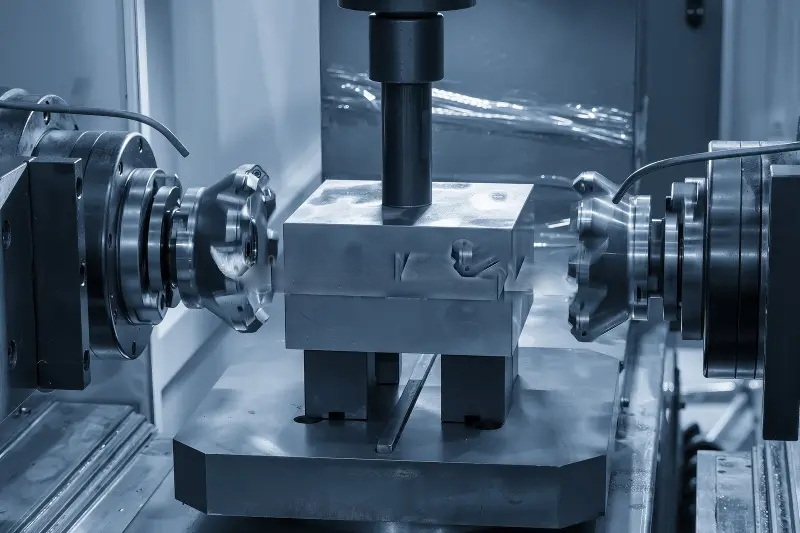
A CNC duplex milling machine is a computer-controlled piece of equipment capable of machining both ends or sides of a material simultaneously. The word “duplex” signifies its two counter-facing spindles that operate together in perfect synchronization. Unlike conventional milling, which processes a single face at a time, duplex milling performs symmetrical operations—cutting down on setup time, increasing precision, and improving throughput.
This approach ensures both faces of the workpiece are finished with parallel accuracy, ideal for applications that require perfect geometrical alignment, such as mold bases or precision machine parts. It also allows for perfect balance during machining, minimizing vibration, warping, and residual stress on the component.
The high performance of duplex milling machines stems from a robust mechanical structure and advanced CNC architecture. The essential components include:
- Dual Spindle Heads: Opposing spindles perform synchronized milling from both sides. They may feature individual or shared drive motors, depending on the machine model.
- High-Rigidity Frame: The machine's base and column are typically made from stress-relieved cast iron or polymer granite to reduce vibration and maintain positional accuracy.
- Precision Linear Guideways and Ball Screws: These ensure smooth, accurate movement of the X, Y, and Z axes while minimizing backlash and thermal elongation.
- CNC Control Unit: An intelligent control system coordinates spindle speeds, feed rates, and simultaneous movement, allowing easy programming and monitoring.
- Workpiece Clamping System: Hydraulic or pneumatic clamps secure the material securely to prevent movement during high-speed cutting.
- Automatic Tool Changer (ATC): Reduces downtime by switching tools quickly, allowing complex multi-step machining without manual intervention.
- Coolant and Chip Removal System: Maintains cutter performance and workpiece cleanliness while extending tool life.
Each component's precision and rigidity directly influence the final product's accuracy and surface finish.
The working principle of duplex milling centers on simultaneous machining from both ends. When a programmed cycle begins, the machine clamps the workpiece in a central position between two spindle heads. Each spindle, operating under CNC command, moves toward the workpiece, removing material evenly from both sides.
This balanced cutting force virtually eliminates the bending stress typically observed in single-end machining. Because both spindles follow mirror-image toolpaths, the resulting part remains symmetrical in thickness and size. The CNC system synchronizes movements along all axes, continually compensating for deviations and ensuring micron-level precision.
A feedback loop using encoders and sensors allows real-time correction of errors caused by temperature changes, tool wear, or material inconsistencies. This continuous adjustment is one of the machine's key advantages over traditional mechanical setups.
At the heart of duplex milling operations is the CNC control unit—usually an advanced system such as FANUC, Siemens, or Mitsubishi. These platforms allow multitasking control and support features like:
- Dynamic synchronization: Maintaining spindle coordination at high speeds.
- Adaptive feed-rate control: Automatically adjusting the cutting rate depending on tool load and surface hardness.
- Automatic tool compensation: Monitoring tool wear and altering paths to maintain accuracy.
- 3D simulation: Allowing operators to preview the machining process and eliminate errors before execution.
These control features not only ensure quality but also reduce waste, rework, and operator dependency.
Duplex milling integrates seamlessly into digital manufacturing workflows. Engineers design parts using CAD software and then generate G-code through CAM applications that define each spindle's movement. Programs are uploaded to the CNC control system, where operators can modify parameters such as offset distances, spindle speeds, tool paths, and coolant flows.
With smart automation features like automatic loading/unloading systems, robotic handling, and tool life management, duplex milling machines can operate continuously with minimal human supervision. They often form part of Flexible Manufacturing Systems (FMS) or lights-out production setups in modern factories.
The distinct design and dual-sided cutting process offer numerous technical and economic benefits:
- Productivity Boost: Machining two sides simultaneously reduces overall cycle times by up to 50%.
- Superior Accuracy: Balanced cutting eliminates deformation and enhances parallelism.
- Reduced Setup Time: Fewer repositioning stages per workpiece improve throughput.
- Consistent Surface Quality: The balanced cutting action leads to smooth finishes with tight dimensional control.
- Lower Production Costs: High automation reduces manual labor and tool wear.
- Energy Efficiency: Efficient material removal reduces power consumption and spindle idle times.
Over the long term, companies using duplex milling achieve significant cost-per-part reductions compared to single-face operations.
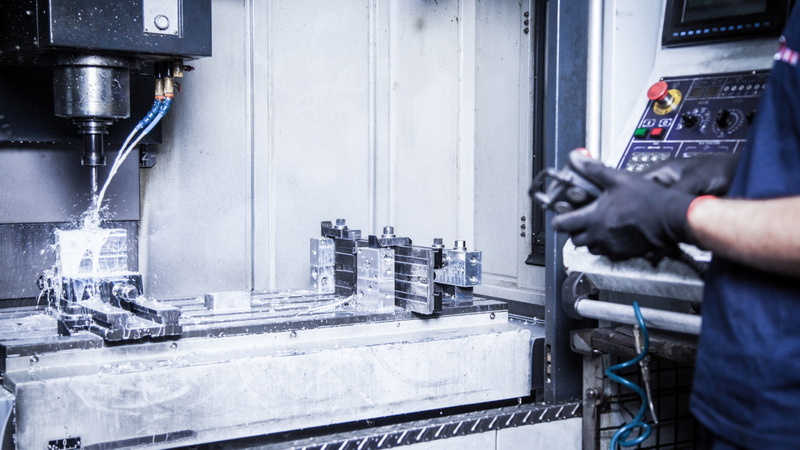
CNC duplex milling is used wherever high precision and parallelism are required. Major sectors include:
- Automotive Manufacturing: For engine blocks, gears, and precision housings.
- Aerospace Engineering: Producing structural components, brackets, and mounting frames.
- Tool and Die Production: Machining base plates, mold cores, and die blocks.
- Oil, Gas, and Energy: Creating heavy-duty flanges, frames, and turbine supports.
- Construction Equipment: Machining symmetrical steel components for durability and strength.
In each application, duplex milling shortens lead times while maintaining uncompromising accuracy.
To sustain accuracy and performance, operators should follow routine maintenance practices:
- Check and align both spindle heads periodically.
- Monitor hydraulic and pneumatic systems for proper pressure and leak prevention.
- Inspect and clean coolant and lubrication systems to ensure proper tool cooling.
- Regularly evaluate servo motor calibration for precise motion control.
- Perform spindle vibration and thermal stability assessments.
Proactive maintenance reduces service downtime and extends the life of both mechanical and electronic components.
While CNC duplex milling machines feature advanced automation, proper operator training remains critical. Operators must understand:
- Machine setup procedures and calibration methods.
- CNC program editing and error code interpretation.
- Tool handling and compensation procedures.
- Safety guidelines for clamping, guarding, and coolant operation.
Emergency-stop functions, door interlocks, and real-time monitoring interfaces protect operators during operation. As automation expands, training increasingly focuses on software management rather than manual tool handling.
As manufacturing transitions toward Industry 4.0, duplex milling technologies are also evolving. Key innovations include:
- AI-Based Process Optimization: Machine learning predicts tool wear and automatically modifies cutting parameters.
- IoT Connectivity: Real-time data from sensors allow remote monitoring and predictive maintenance.
- Hybrid Material Beds: Use of damping materials like polymer composite bases reduces vibration.
- Energy Management Systems: Regenerative drives minimize energy waste and improve sustainability.
- Integrated Metrology: In-machine probing measures part dimensions mid-cycle for zero-defect production.
These developments not only increase machining accuracy but also support environmental sustainability and energy conservation goals.
Modern duplex milling machines are designed with sustainability in mind. Their energy-efficient motors, optimized cutting cycles, and coolant recycling units reduce overall carbon footprint. The simultaneous removal of material from both sides consumes less power compared to sequential single-face milling, as spindles share mechanical load efficiently.
Some manufacturers incorporate eco-mode operations, reducing idle power consumption and coolant flow automatically when the machine is not cutting. These efforts align duplex milling systems with green manufacturing initiatives globally.
While the upfront investment for a CNC duplex milling machine can be substantial, the long-term savings are significant. Reduced cycle time, lower energy use, and fewer rejected parts lead to rapid return on investment (ROI). Additionally, because duplex milling enhances workpiece consistency and minimizes manual rework, overall labor and maintenance costs drop over time.
For manufacturers producing high volumes of symmetrical components, duplex milling offers unmatched efficiency compared to conventional vertical or horizontal milling setups.
As the precision manufacturing landscape evolves, CNC duplex milling machines will integrate more intelligent automation features. Future systems may include self-learning CNCs, advanced vision-based tool alignment, and AI-driven material adaptation algorithms. These developments will push duplex milling into new precision levels suitable for advanced materials like carbon fiber composites and superconductive alloys.
The eventual goal is a fully autonomous machining environment where machines coordinate operation, maintenance, and quality control without continuous human oversight.
CNC duplex milling machines represent the pinnacle of simultaneous precision machining. Their ability to cut two sides of a workpiece concurrently not only improves symmetry and accuracy but also revolutionizes productivity. Combining robust mechanical design with modern automation, they have become indispensable in industries demanding speed, reliability, and exceptional surface quality. With continued innovation in AI, smart sensors, and efficiency technologies, duplex milling will remain a cornerstone of high-precision, cost-effective manufacturing.
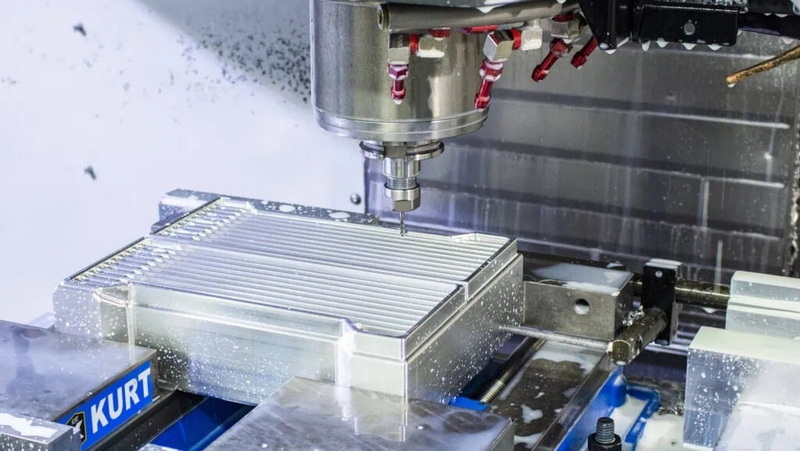
The purpose of these machines is to machine both sides of a workpiece simultaneously with high accuracy, significantly reducing machining time and improving part parallelism.
Traditional milling machines work on one face of a part at a time, while a duplex milling machine performs two-face machining simultaneously, enabling superior dimensional consistency and faster production rates.
These machines handle diverse materials such as aluminum, steel, cast iron, brass, titanium, and composites used in industrial and aerospace applications.
Industries like automotive, aerospace, heavy machinery, and tool-making gain the most due to high requirements for flatness, parallelism, and rapid mass production capability.
Key specifications include spindle power, automatic tool changer capacity, CNC control precision, adaptive feed-rate functionality, and stable base construction to minimize vibration.


