From idea to market-ready product, our NPI solutions make every stage easier, faster. Discover How We Help

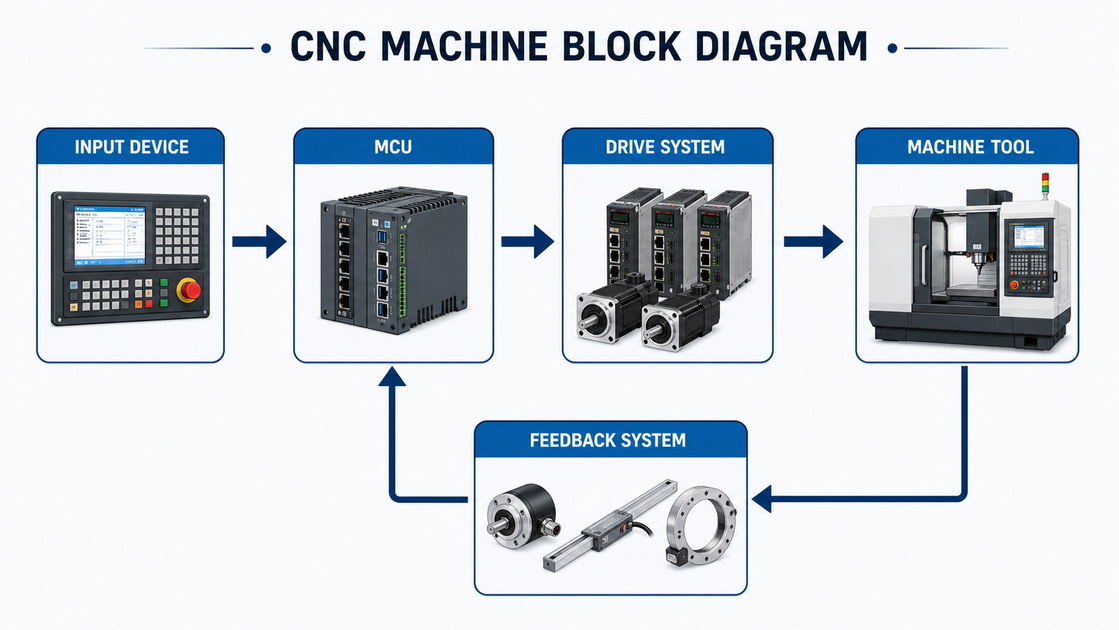
This article explains the 13 main parts of a CNC machine and the CNC block diagram in a practical, buyer-focused way. It is rewritten for SEO, E-E-A-T, and better UX, with deeper expert insight for OEM andgram**, parts of a CNC machine, machine control unit, servo drive system, and **CNC lathe compon
broaching can also reduceres CNC milling and broaching for keyways and splines from an OEM precisionions, broaching can also reducecovers accuracy, cost, tooling, lead time, design rules, and selection guidance, helping buyers choose the right process for prototypes or production runs.ions, broaching can also reduce
Plunge milling vs. side milling for deep cavities is a practical manufacturing decision about stability, finish, and chip control. This article compares both methods from an E-E-A-T perspective and shows when each process works best in precision CNC production.
This article explains the key CNC part design rules that improve manufacturability, reduce cost, and support tighter tolerances for OEM and ODM projects. It expands on standard DFM advice with practical guidance on wall thickness, radii, tolerances, setup reduction, and buyer-focused production strategy.
This article compares climb milling and conventional milling from a practical CNC manufacturing perspective, focusing on tool life, surface finish, and production efficiency. It explains when each method is best, how OEM suppliers can improve consistency, and why modern factories usually prefer climb milling for precision parts.
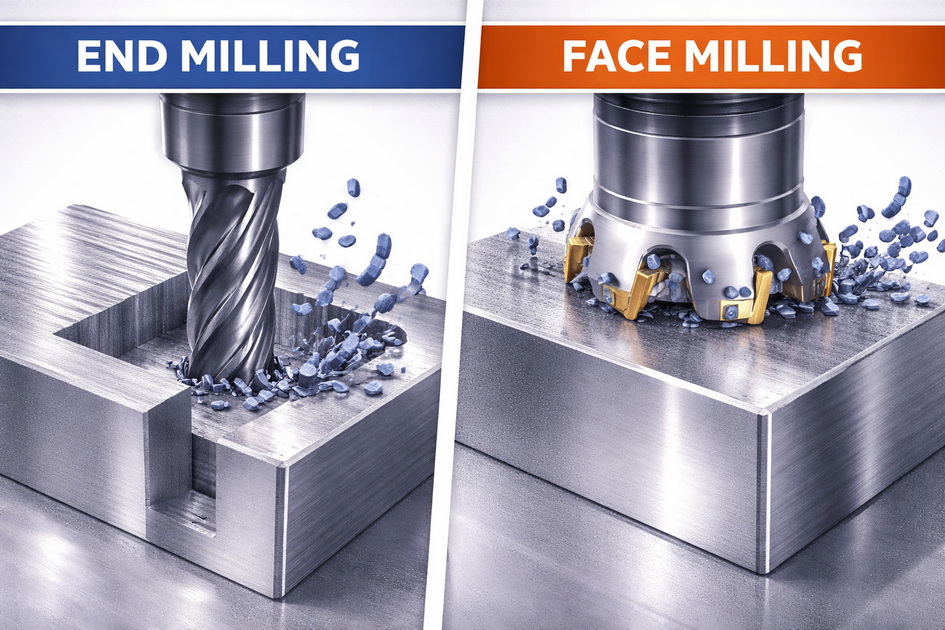
End Milling vs. Face Milling: Surface Finish Differences explains how each machining method affects flatness, texture, and part quality. This SEO-optimized guide helps OEM buyers, engineers, and manufacturers choose the right process for better finishes, lower rework, and stronger production results.